Indian Health Innovator Even Healthcare Secures $50M from Khosla Ventures to Redefine Patient Care
Even Healthcare, an Indian startup dedicated to transforming the economics of hospital care and doctor incentives, has successfully closed a $50 million Series B funding round. The investment, spearheaded by Khosla Ventures, values the company at $300 million, tripling its valuation from 18 months prior. This all-equity round also saw participation from Alpha Wave, bringing Even’s total capital raised to over $120 million as it pushes to reshape healthcare delivery in the world’s most populous nation.
Traditionally, hospitals in India often generate higher revenues through an increased volume of tests, procedures, or extended patient stays, sometimes irrespective of actual medical necessity. Even Healthcare is challenging this model by prioritizing patient well-being and outcomes over unnecessary treatments that inflate medical expenses. This patient-centric philosophy has consistently attracted Khosla Ventures, which has supported Even since its seed round in 2021. The Silicon Valley venture firm is intensifying its commitment as Even transitions to building and operating its own hospitals, thereby gaining greater oversight of patient care quality and cost management. Vinod Khosla, founder of Khosla Ventures, emphasized that Even’s strategy integrates financing, technology, and care delivery to reward better health outcomes rather than merely increasing healthcare service utilization.
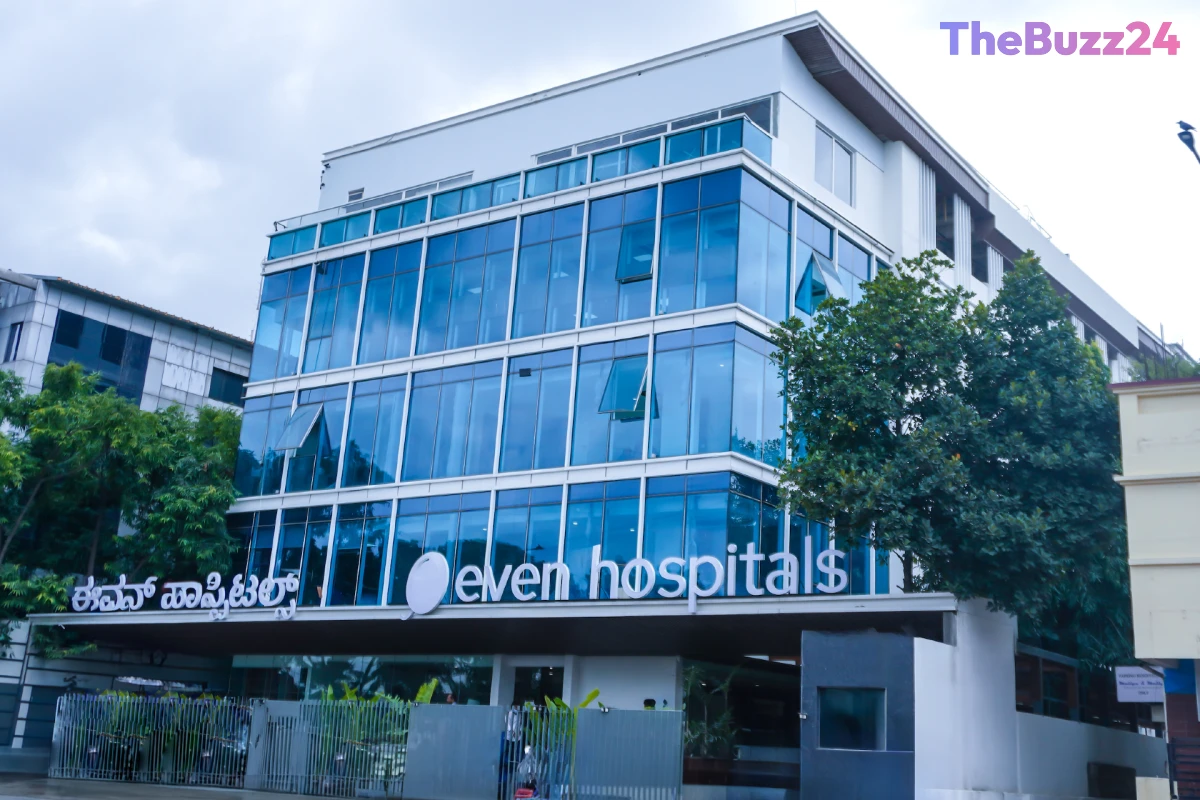
Initially, Even collaborated with partner hospitals to serve its members. However, founders Mayank Banerjee, Matilde Giglio, and Alessandro Ialongo identified instances where patients underwent tests or were recommended surgeries deemed unnecessary, prompting a strategic shift. To address these concerns and ensure a better economic deal for patients and insurers, Even began establishing its own facilities. The company has since launched two hospitals in Bengaluru, both achieving operational profitability within a year of opening, excluding depreciation. Plans are underway to open five additional hospitals in the southern Indian city over the next six months, financed by the latest funding round. Unlike conventional hospitals where doctors might have financial incentives tied to procedures, Even compensates its medical staff with fixed salaries, with potential bonuses linked to patient-reported clinical outcomes. All employees, including doctors and hospital staff, receive equity in Even, aligning their long-term interests with the company’s performance.
Even Healthcare primarily generates revenue from patient payments for treatment and through partnerships with insurers. The company is also exploring innovative models with insurers that could reward it for preventing hospitalizations, rather than just providing treatment. Even tracks patient recovery using established medical scoring systems, such as the Oxford Knee Score for knee replacements, and publishes its outcomes for transparency. The startup reports an unplanned readmission rate of less than 1%, significantly below the industry benchmark of 8% to 15%, and claims to have reduced patient hospital stays by 40%, saving insurers over ₹500 million (approximately $5.27 million). While Even recorded a net loss of ₹902 million (about $9.50 million) in fiscal 2025, an increase from the previous year, this is attributed to its aggressive growth strategy. The company, which underwent a restructuring involving layoffs of about 350 employees, currently employs around 650 people, including 300 full-time doctors, and serves approximately 250,000 members.
Key Takeaways
- Even Healthcare secured $50 million in Series B funding led by Khosla Ventures, valuing the Indian startup at $300 million.
- The company aims to revolutionize India's healthcare system by building its own hospitals and incentivizing doctors for patient outcomes rather than the volume of procedures.
- Even reports significant improvements in patient care, including lower readmission rates and reduced hospital stays, despite currently operating at a net loss due to aggressive expansion.
Editor’s Analysis & Impact
Even Healthcare’s latest funding round underscores a significant shift in venture capital interest towards disruptive models in emerging markets, particularly in critical sectors like healthcare. This investment highlights a growing recognition of the need to move beyond traditional fee-for-service structures, which often incentivize volume over value. If Even’s outcome-based approach proves scalable and sustainable, it could set a new benchmark for healthcare delivery in India, potentially pressuring existing hospital systems to re-evaluate their operational and compensation models. The broader implication is a potential paradigm shift towards preventive care and patient-centric models, not just in India but as a blueprint for other regions grappling with similar healthcare inefficiencies. While current losses are a concern, they are framed as an investment in aggressive growth, indicating a long-term vision for market dominance.
Frequently Asked Questions
Q: What is Even Healthcare's primary goal in the Indian healthcare market?
A: Even Healthcare aims to revolutionize the Indian healthcare system by shifting the focus from revenue generated through unnecessary tests and procedures to prioritizing patient outcomes and well-being. They achieve this by building their own hospitals and implementing a unique compensation model for doctors.
Q: How does Even Healthcare's compensation model for doctors differ from traditional hospitals?
A: Unlike many traditional hospitals where doctors' compensation might be tied to the number of tests or surgeries performed, Even Healthcare pays its doctors fixed salaries. They can also earn bonuses based on patient-reported clinical outcomes, aligning incentives with quality care rather than volume.
Q: What are some of the reported benefits and achievements of Even Healthcare's approach?
A: Even Healthcare reports significant improvements, including an unplanned readmission rate of less than 1% (compared to an industry benchmark of 8-15%), a 40% reduction in patient hospital stays, and savings of over ₹500 million for insurers. Their initial owned hospitals have also achieved operational profitability within a year.
AI Disclosure: This article is based on verified data and official reports. Our Team and AI have cross-referenced every financial detail with primary sources to ensure total accuracy.
More from this Category