Indian Sailors Missing Following US Military Strike on Tanker in Gulf of Oman
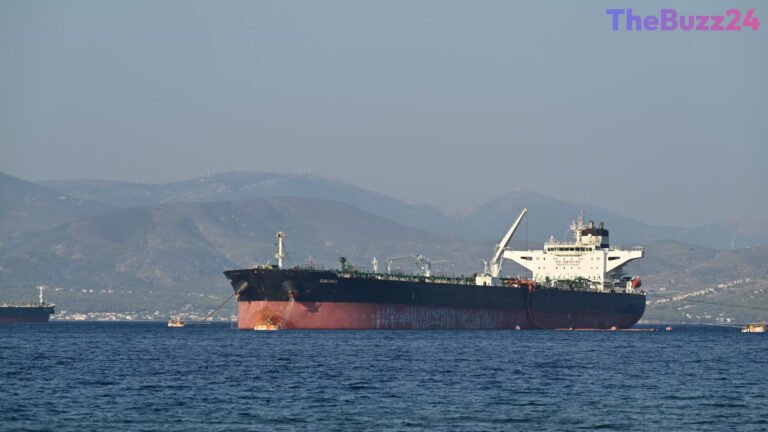
A military operation in the Gulf of Oman has resulted in the disabling of the Palau-flagged oil tanker Settebello, leaving three Indian sailors missing. The vessel was targeted by US forces after it allegedly attempted to transport oil from Iran, a move that violated an ongoing American blockade of Iranian ports. According to military officials, aircraft deployed precision munitions into the ship’s engine room following the crew’s failure to comply with repeated directives to halt.
While 21 Indian crew members were successfully rescued following the strike, the Indian government has expressed significant concern over the incident. Officials in New Delhi have formally summoned the deputy head of the US mission to address the situation, emphasizing that the targeting of commercial shipping and civilian infrastructure must cease. This incident follows a similar strike earlier in the week against another Palau-flagged tanker, the Marivex, which also carried an Indian crew and was disabled under similar circumstances.
The broader conflict, which escalated significantly following the death of Iran’s supreme leader in February, continues to disrupt global energy transit. The Strait of Hormuz, a critical maritime chokepoint responsible for approximately 20% of the world’s oil and gas supply, remains a focal point of the hostilities. Since the implementation of the blockade on April 13, US forces have reportedly disabled eight vessels and redirected over 130 others, further straining diplomatic relations and heightening the risk of regional instability.
Key Takeaways
- Three Indian sailors are missing and 21 have been rescued after a US military strike disabled the Settebello oil tanker.
- The US has been enforcing a blockade on Iranian ports since mid-April, resulting in the disabling of eight vessels to date.
- The Indian government has formally protested the targeting of commercial shipping by summoning US diplomatic representatives.
Editor’s Analysis & Impact
The ongoing maritime conflict in the Gulf of Oman represents a significant escalation in the broader US-Iran confrontation, with direct implications for global energy security. By targeting commercial vessels, the US is effectively weaponizing the Strait of Hormuz, a move that threatens to destabilize global oil markets and increase shipping insurance premiums. The involvement of third-party nations, such as India, whose citizens are increasingly caught in the crossfire, adds a complex diplomatic layer to the military strategy. As both sides trade threats and military strikes, the outlook remains volatile. Future implications include potential supply chain disruptions, increased pressure on international maritime law, and the risk of further regional entanglement if civilian casualties continue to mount during these enforcement operations.
Frequently Asked Questions
Q: Why did the US military target the Settebello tanker?
A: The US military stated the vessel was targeted for violating an American blockade by attempting to transport oil from Iran after failing to comply with orders to stop.
Q: What is the current status of the crew members?
A: Out of the 24 crew members on the Settebello, 21 Indian sailors were rescued, while three remain missing.
AI Disclosure: This article is based on verified data and official reports. Our Team and AI have cross-referenced every financial detail with primary sources to ensure total accuracy.
More from this Category