Innovative ‘Trash to Treasure’ Approach Advances Space Heat Shield Technology
Space agencies are pioneering a novel method to test next-generation heat shield technologies, crucial for safeguarding astronauts and cargo on future missions to the Moon and Mars. This innovative approach involves utilizing the final moments of cargo resupply missions as they return to Earth, effectively turning orbital ‘trash’ into invaluable research opportunities.
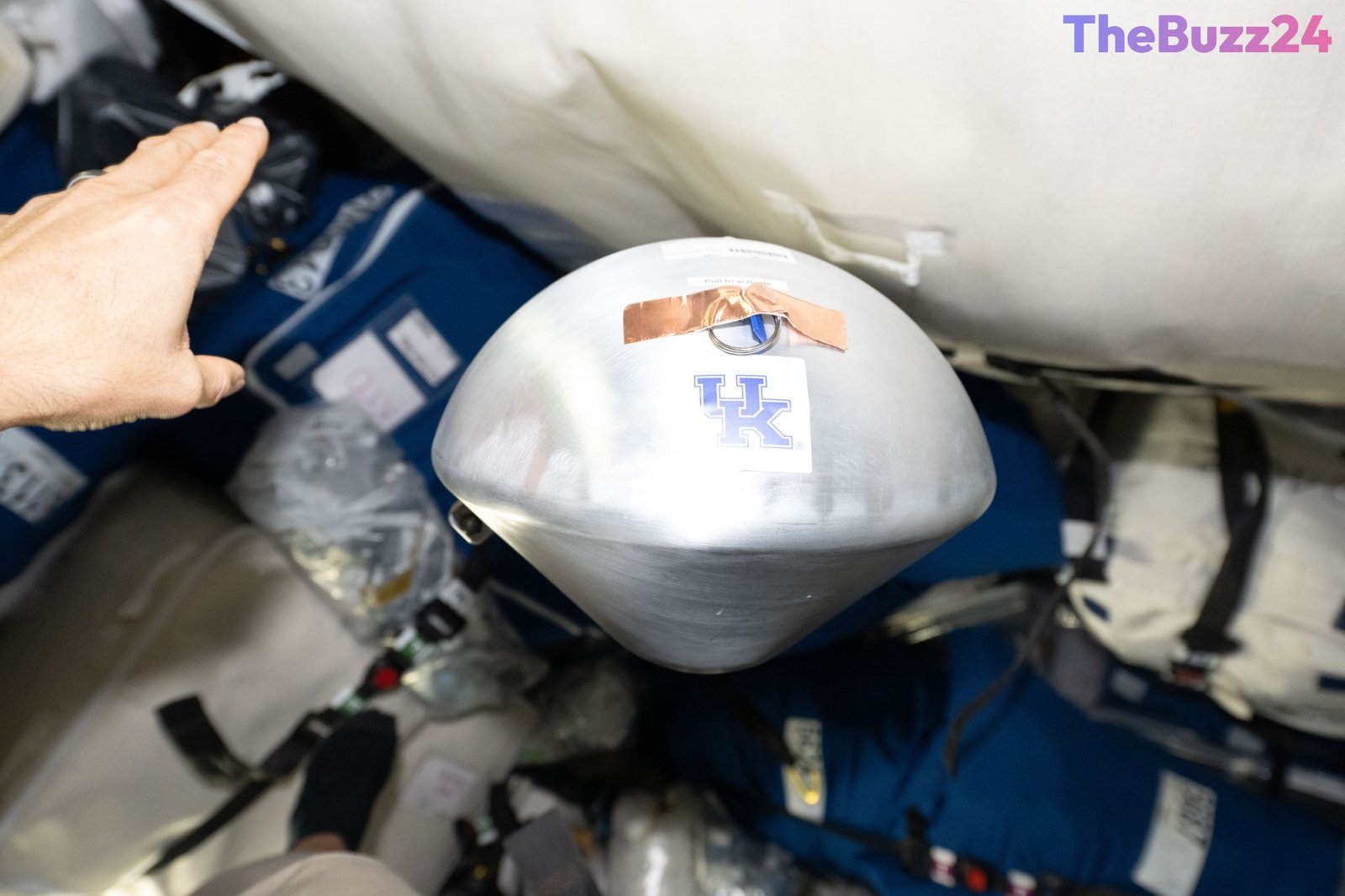
The Kentucky Reentry Probe Experiment (KREPE-3) is at the forefront of this initiative. As a Northrop Grumman Cygnus XL spacecraft undocked from the International Space Station, it carried a fleet of 12 small, experimental capsules. These capsules are designed to evaluate a diverse range of thermal protection materials and designs. Each capsule is equipped with sensors to measure critical parameters like temperature, pressure, motion, and magnetic fields during the intense re-entry process. The data collected provides real-world insights into how these materials perform under extreme conditions, informing the development of larger, more robust heat shields.
The KREPE-3 experiment is a collaborative effort involving the University of Kentucky, various NASA centers, Oak Ridge National Laboratory, and other federal and commercial partners. The capsules are testing both established technologies, such as ceramic tile materials used on the space shuttle, and cutting-edge innovations. These include 3D-printed heat shields, and a new family of flexible, cost-effective materials known as Materials Engineered for Re-entry using Innovative Needling Operations (MERINO), made from stitched carbon and phenolic fibers. Additionally, the experiment is evaluating unique designs like a dual-cone shape for validating computer models, an aeroshell mimicking the design for NASA’s upcoming Dragonfly mission to Titan, and an umbrella-shaped deployable heat shield (Adaptable Deployable Entry and Placement Technology) designed to increase surface area and slow descent for larger payloads.
This ‘hitchhiking’ strategy offers a fast, affordable, and incredibly effective way to gather flight data on materials still in development. By maximizing the utility of existing spacecraft re-entries, researchers can accelerate the validation process for critical thermal protection systems, paving the way for safer and more ambitious human and robotic exploration of our solar system.
Key Takeaways
- NASA is testing advanced heat shield materials and designs through the KREPE-3 experiment, crucial for future Moon and Mars missions.
- The experiment innovatively uses returning Northrop Grumman Cygnus cargo spacecraft, transforming their re-entry into a low-cost, high-impact data collection opportunity.
- Innovations include 3D-printed shields, flexible MERINO materials, and deployable designs, accelerating the development of critical thermal protection systems.
Editor’s Analysis & Impact
This innovative ‘trash to treasure’ approach to heat shield testing represents a significant leap in aerospace research and development. By leveraging existing cargo resupply missions, the industry can drastically reduce the cost and time associated with validating critical thermal protection systems. This method fosters greater collaboration between academia, government, and commercial entities, accelerating the pace of technological advancement. The data gathered will be instrumental in designing safer and more efficient spacecraft for both crewed and uncrewed missions, directly impacting the feasibility and success of future lunar bases, Mars expeditions, and even commercial space travel. This sustainable and cost-effective testing paradigm could become a standard practice, driving further innovation across the space sector.
Frequently Asked Questions
Q: What is the KREPE-3 experiment?
A: KREPE-3 (Kentucky Reentry Probe Experiment) is a series of missions designed to test next-generation thermal protection materials and heat shield designs. It uses small experimental capsules carried aboard returning cargo spacecraft to collect data during atmospheric re-entry.
Q: Why is this method of testing heat shields considered innovative?
A: This method is innovative because it leverages the final moments of a cargo spacecraft's lifespan as it re-enters Earth's atmosphere. By 'hitching a ride' on these missions, researchers can gather valuable flight data on new materials and designs in a low-cost and highly effective manner, turning what would be space 'trash' into valuable research opportunities.
Q: What types of missions will benefit from these advanced heat shields?
A: The advanced heat shields being developed are crucial for ensuring the safety of astronauts and cargo returning from future missions to the Moon and Mars. They also have potential applications for commercial space vehicles and missions to other celestial bodies like Saturn's moon Titan.
AI Disclosure: This article is based on verified data and official reports. Our Team and AI have cross-referenced every financial detail with primary sources to ensure total accuracy.
More from this Category