Inside Kevin Warsh’s Strategic Overhaul of the Federal Reserve
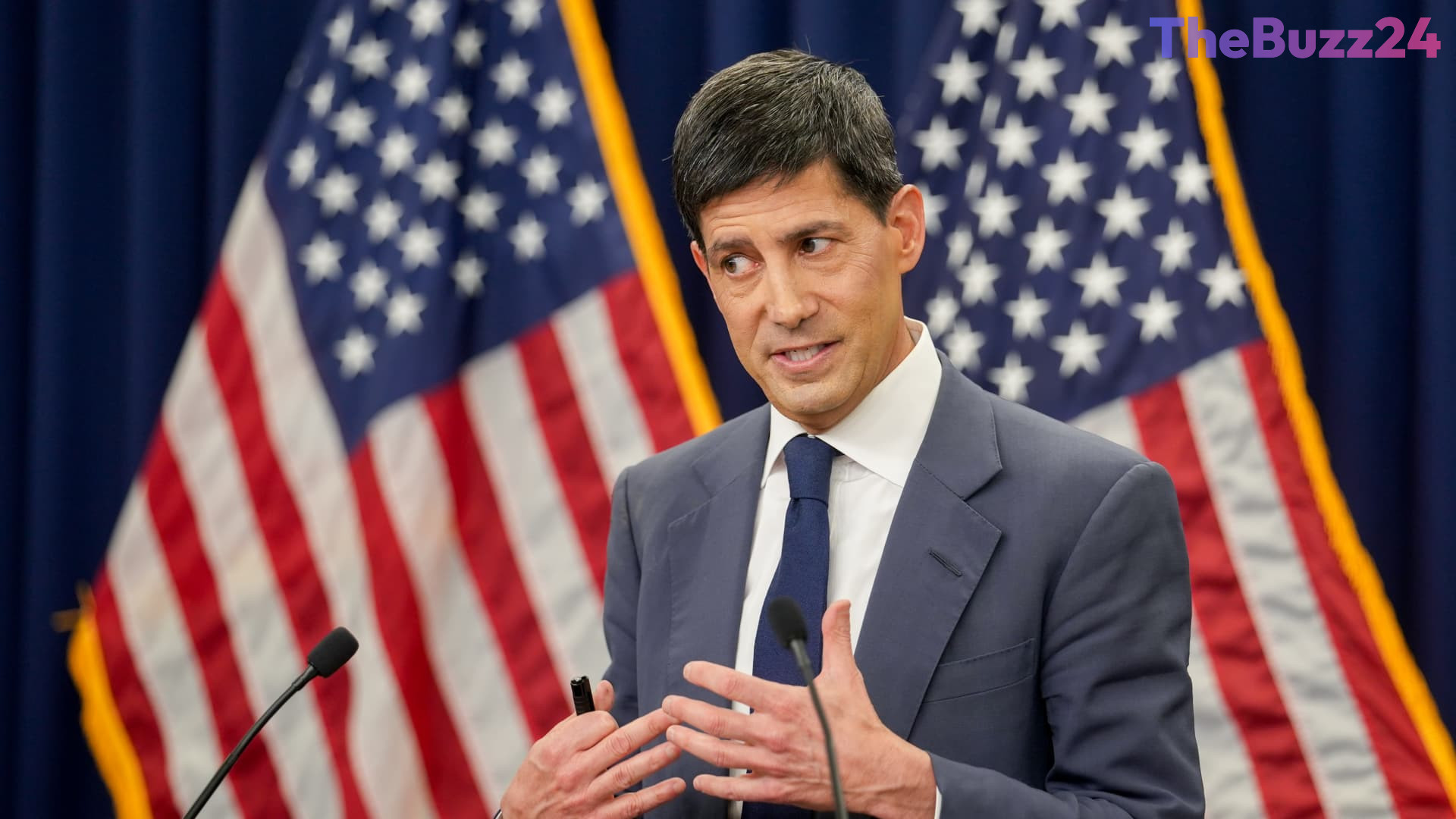
Federal Reserve Chairman Kevin Warsh has signaled a significant shift in the central bank’s operational philosophy, emphasizing a move toward a quieter, more humble approach to market engagement. During his inaugural press conference, Warsh underscored his long-held conviction that inflation is a policy choice, framing his leadership as a mandate to prioritize price stability above all else. By initiating a series of specialized task forces, Warsh aims to reshape the Fed’s internal processes, focusing on communications, balance sheet management, data analysis, and productivity.
These task forces represent a calculated effort to build consensus among the Federal Open Market Committee (FOMC) members. By pairing internal staff with external experts, Warsh is attempting to guide the committee toward his vision of a more disciplined monetary framework. His decision to abstain from submitting his own economic forecast to the Fed’s ‘dot plot’ serves as a strategic maneuver, effectively devaluing existing projections and creating space for his own policy agenda to take root without immediate, contentious votes.
While the Fed maintained interest rates between 3.5% and 3.75% in a unanimous vote, the underlying process of reaching that decision has already begun to change. Warsh has moved away from the practice of considering multiple policy statements, opting instead for a single, unified proposal. This consolidation of influence is designed to streamline the Fed’s messaging, though it introduces potential friction with other committee members who hold independent, long-term appointments and may eventually challenge his priorities.
Market participants have already reacted to this new era of uncertainty, with two-year Treasury yields seeing notable movement following Warsh’s comments. As the Fed transitions toward this more centralized and opaque communication style, the success of Warsh’s tenure will likely hinge on his ability to maintain committee cohesion while delivering on his promise of price stability. Whether the Fed’s decentralized structure will accommodate this shift or push back against his influence remains the central question for the coming year.
Key Takeaways
- Chairman Kevin Warsh is implementing a series of task forces to reorganize the Fed’s approach to communication, data, and inflation policy.
- Warsh has opted not to participate in the Fed’s 'dot plot' economic projections, a move that effectively shifts the focus away from traditional forecasting methods.
- The Fed is moving toward a more centralized decision-making process, though Warsh faces potential resistance from committee members who value the institution's decentralized nature.
Editor’s Analysis & Impact
The shift under Chairman Kevin Warsh represents a fundamental pivot in central bank governance, moving away from the ‘forward guidance’ era toward a more guarded, discretionary model. By prioritizing internal task forces and external expert integration, Warsh is attempting to insulate the Fed from market volatility while simultaneously exerting tighter control over the narrative. The market’s immediate reaction—a sharp rise in Treasury yields—suggests that investors are pricing in a more hawkish, unpredictable future. The broader implication is a potential reduction in transparency, which may increase market volatility as participants struggle to interpret the Fed’s intentions without the traditional ‘dot plot’ roadmap. If Warsh succeeds in curbing inflation, he will likely consolidate significant power; however, if he fails, the decentralized nature of the Fed’s regional bank presidents could lead to a fractured committee and policy gridlock.
Frequently Asked Questions
Q: Why did Kevin Warsh choose not to submit an economic forecast?
A: By withholding his own views on interest rate paths, Warsh effectively devalues the existing projections of other Fed members, allowing him to maintain flexibility and avoid immediate, difficult votes on policy changes.
Q: What is the purpose of the new task forces at the Fed?
A: The task forces are designed to pair internal Fed staff with external experts to build consensus around Warsh’s vision for a more humble, inflation-focused central bank.
AI Disclosure: This article is based on verified data and official reports. Our Team and AI have cross-referenced every financial detail with primary sources to ensure total accuracy.
More from this Category