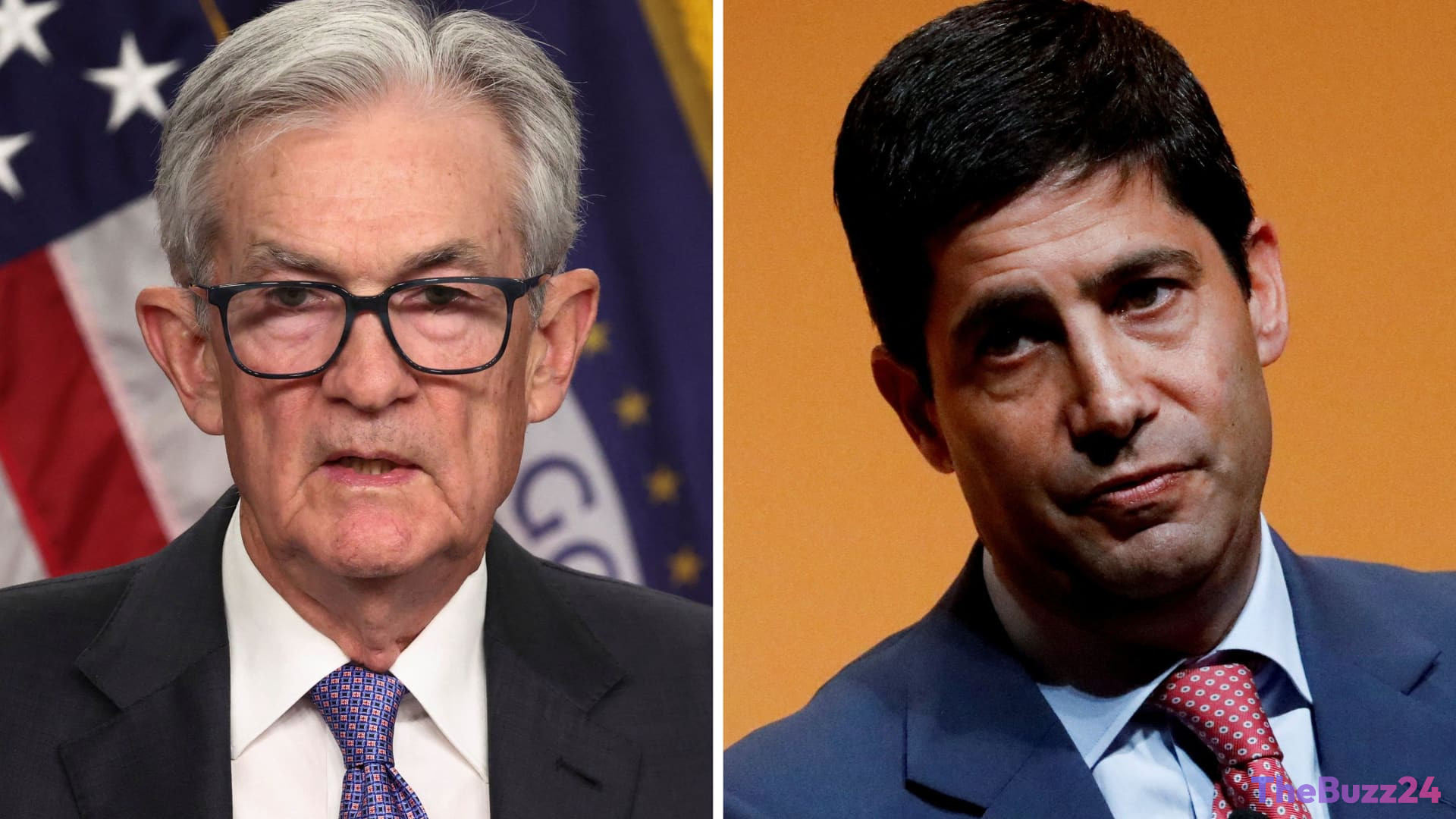
A Rare Federal Reserve Transition: Powell and Warsh to Share the Board
The Federal Open Market Committee (FOMC) is entering a historic period of leadership transition that has not been seen in nearly 80 years. As Kevin Warsh prepares to assume the role of Federal Reserve Chair, outgoing leader Jerome Powell has confirmed he will remain on the board as a governor. This unprecedented overlap of a former and sitting chair serving simultaneously has drawn significant attention from global financial markets, raising questions about internal dynamics and policy continuity.
To mitigate concerns regarding potential institutional friction, Powell has publicly clarified his intentions, emphasizing that he does not intend to serve as a ‘shadow chair’ once his leadership term concludes in May. He framed his decision to remain on the board as a procedural necessity rather than a political strategy, noting that he is primarily focused on overseeing the final stages of an inspector general investigation into the Federal Reserve’s headquarters renovation project.
Despite the orderly nature of the personnel shift, the incoming leadership faces a complex economic environment. With core inflation currently tracking at 3.2% and unemployment figures remaining at historically low levels, the current data offers little justification for immediate interest rate cuts. This reality poses a challenge for Warsh, who has previously advocated for a shift in monetary policy. As the committee moves forward, market observers are closely monitoring how Warsh will navigate the board and build consensus among regional bank presidents who remain largely hesitant to deviate from the current policy trajectory.
Key Takeaways
- Jerome Powell will continue serving as a Federal Reserve governor after his term as Chair ends, creating a rare overlap with successor Kevin Warsh.
- Powell has committed to a low-profile role, citing the need to finalize an internal investigation into the Fed's headquarters renovation as his primary reason for staying.
- The incoming leadership must navigate a challenging economic landscape defined by persistent inflation and low unemployment, which limits the immediate potential for interest rate adjustments.
Editor’s Analysis & Impact
The unusual arrangement of having both a former and current Fed Chair on the board introduces a layer of institutional complexity that could influence market sentiment. While Powell has publicly distanced himself from future policy-making influence, the presence of a predecessor often complicates the consolidation of authority for a new leader. From a market perspective, the primary risk is the potential for a fractured policy stance during a period that already requires delicate maneuvering. With inflation remaining sticky, the Fed is under pressure to maintain stability. If Warsh pursues a significant ‘regime change’ in monetary policy, the presence of a former chair as a voting member could lead to internal friction. Investors should look for signs of ideological divergence in future FOMC meeting minutes, as this will be the most reliable indicator of the Fed’s long-term policy cohesion and institutional stability.
Frequently Asked Questions
Q: Why is Jerome Powell remaining on the Federal Reserve board?
A: Powell has indicated that his decision to stay on as a governor is primarily to oversee the completion of an inspector general investigation regarding the renovation of the Federal Reserve's headquarters.
Q: What economic hurdles does the incoming Fed leadership face?
A: The leadership must manage a difficult economic climate characterized by 3.2% core inflation and low jobless claims, which makes it difficult to justify immediate interest rate cuts or a major shift in monetary policy.
AI Disclosure: This article is based on verified data and official reports. Our Team and AI have cross-referenced every financial detail with primary sources to ensure total accuracy.
More from this Category