A Historic Transition: Jerome Powell and Kevin Warsh Prepare for Rare Federal Reserve Overlap
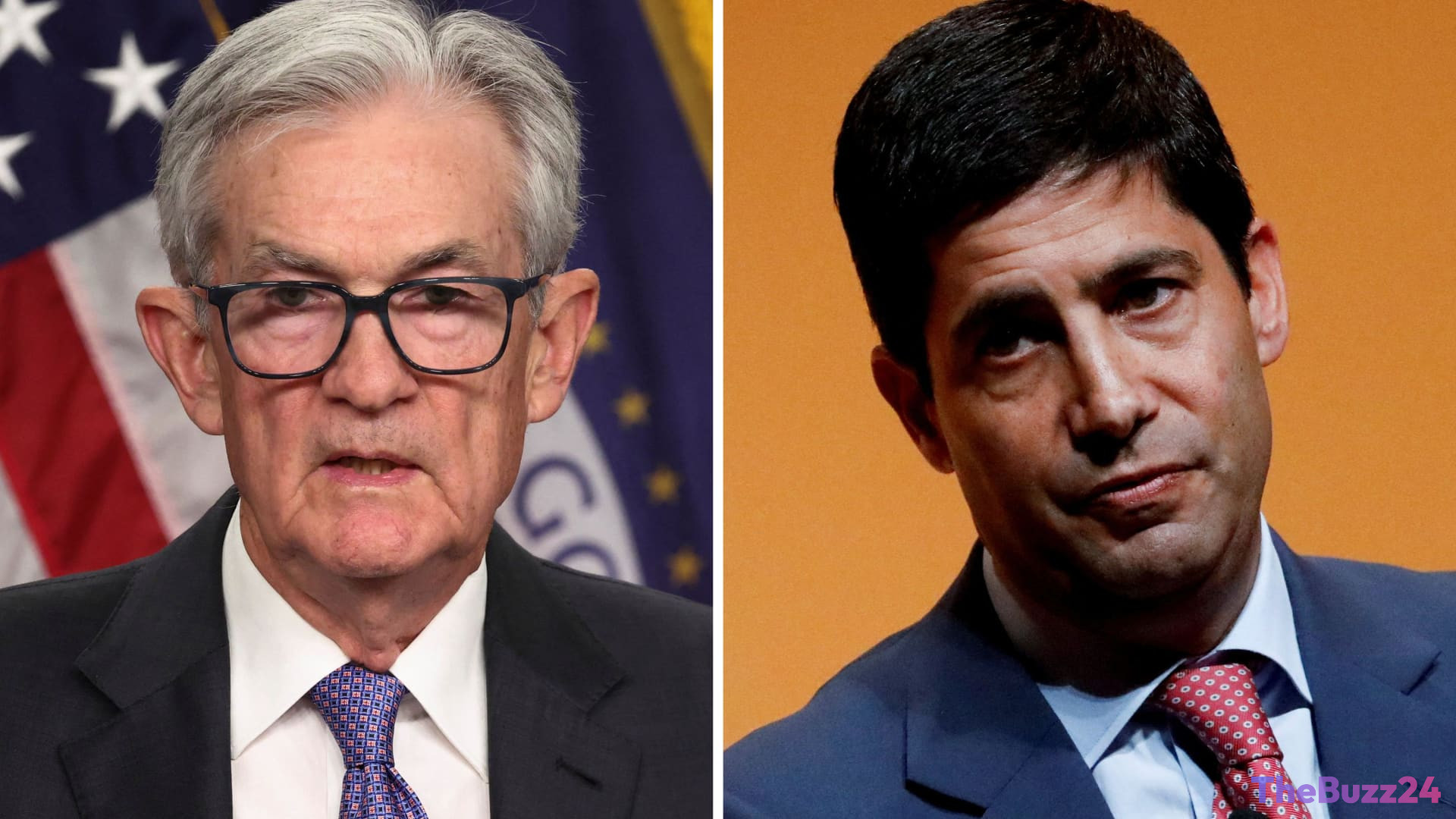
The Federal Open Market Committee (FOMC) is set to witness a historic moment in mid-June as outgoing Chair Jerome Powell and incoming Chair Kevin Warsh prepare to serve on the board simultaneously. This rare overlap, the first of its kind in nearly 80 years, arrives at a critical juncture for the U.S. central bank as it navigates persistent inflation and shifting political expectations. While the prospect of two chairs working in tandem has sparked speculation regarding potential policy friction, observers suggest the transition will likely remain professional and focused on the Fed’s core mandates.
Despite the unique circumstances, Jerome Powell has publicly committed to maintaining a low profile, explicitly stating he has no intention of acting as a ‘shadow chair’ or undermining his successor. Powell’s decision to remain on the board as a governor following his term is largely attributed to his desire to see the conclusion of an ongoing investigation into the agency’s headquarters renovation. Former Fed officials and industry experts anticipate that the committee will prioritize institutional stability, even as external political pressures mount regarding the direction of interest rates.
The economic landscape presents a significant hurdle for any immediate policy shifts. With core inflation currently tracking at 3.2%—well above the Fed’s 2% target—and labor market data showing historic stability, there is little empirical evidence to justify an immediate reduction in interest rates. Consequently, Kevin Warsh faces the challenge of balancing his stated desire for a ‘regime change’ with the reality of a committee that remains cautious about premature easing. As the FOMC moves forward, the focus remains on whether the board can maintain its independence while managing the complex interplay between economic data and political scrutiny.
Key Takeaways
- Jerome Powell will remain on the Federal Reserve board as a governor after his term as chair ends, marking a rare historical overlap with successor Kevin Warsh.
- Current economic indicators, including inflation above the 2% target and a strong labor market, provide little justification for immediate interest rate cuts.
- Powell has explicitly denied any intent to act as a 'shadow chair,' emphasizing his commitment to a standard, professional transition process.
Editor’s Analysis & Impact
The upcoming transition at the Federal Reserve represents a high-stakes test of institutional independence. By remaining on the board, Powell effectively creates a ‘two-chair’ dynamic that will be closely scrutinized by global markets. The primary challenge for Warsh will be navigating a committee that is currently resistant to rate cuts due to stubborn inflation and robust employment data. If Warsh pushes for a more aggressive policy shift, he risks immediate friction with regional presidents who have already signaled a hawkish stance. Ultimately, the market impact will depend on whether the Fed can maintain a unified front. Any sign of internal discord could lead to increased volatility, as investors look for clear signals regarding the long-term trajectory of monetary policy in an increasingly polarized political environment.
Frequently Asked Questions
Q: Why is Jerome Powell staying on the board after his term as chair?
A: Powell has stated he intends to stay on as a governor primarily to see the conclusion of an internal investigation regarding the Federal Reserve's headquarters renovation.
Q: What are the main economic obstacles to cutting interest rates?
A: The primary obstacles include core inflation remaining significantly above the Fed's 2% target and a labor market that continues to show historic strength, leaving little data-driven justification for immediate monetary easing.
AI Disclosure: This article is based on verified data and official reports. Our Team and AI have cross-referenced every financial detail with primary sources to ensure total accuracy.
More from this Category