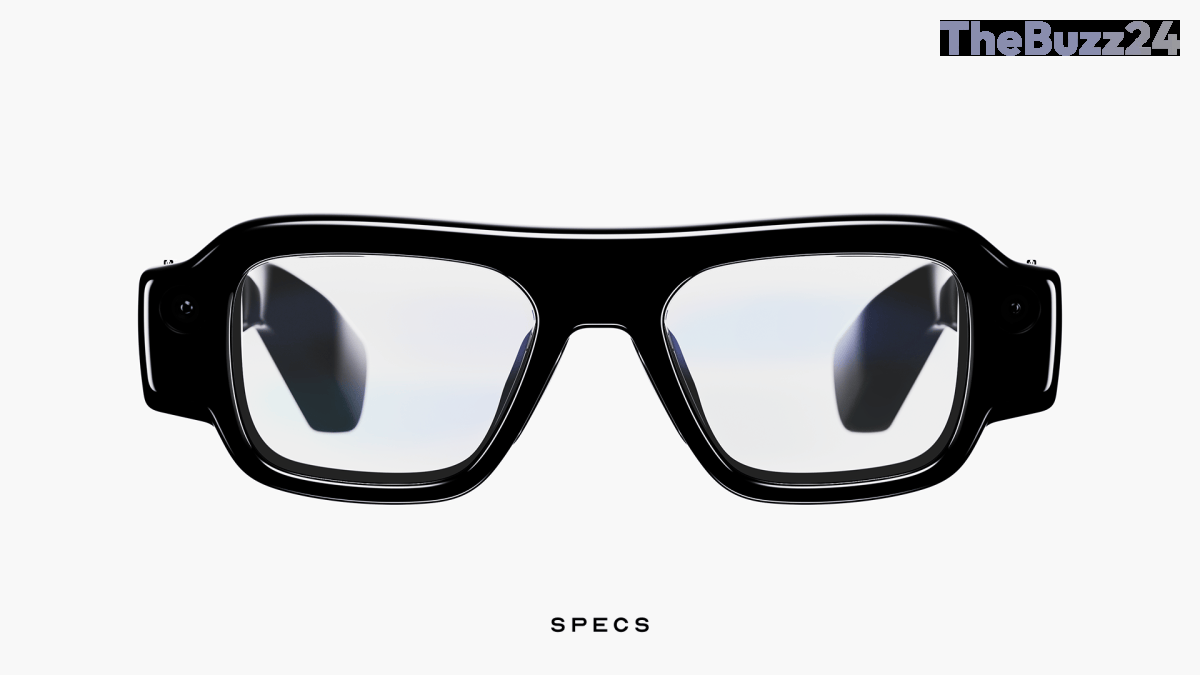
Snap’s Latest AR Glasses Offer Comfort and Innovation, But Still Search for a True Purpose
Snap has made significant strides in the hardware development of its augmented reality glasses, successfully transforming a once-cumbersome prototype into a much sleeker and more comfortable wearable device. Recent hands-on demonstrations reveal that the headset has undergone a dramatic physical redesign, shedding nearly half its previous weight down to 132 grams. Additionally, the incorporation of spring hinges and multiple sizing options—47mm and 52mm—ensures a secure and comfortable fit for a wider variety of facial structures, addressing early complaints about heat generation and physical discomfort during extended use.
Despite these impressive engineering milestones, the device continues to face challenges regarding its core identity and everyday utility. With a hefty price tag of $2,200, the hardware attempts to juggle multiple functionalities without anchoring itself to a singular, indispensable use-case. While entertainment consumption—such as streaming video content via integrated platforms or utilizing the immersive display for focused reading while traveling—shows some promise, productivity and mainstream gaming applications remain a tougher sell. The social friction of wearing bulky smart glasses in public workspaces, combined with the steep cost compared to traditional hardware like laptops and consoles, raises questions about immediate consumer adoption.
Ultimately, the hardware represents a compelling technical achievement, particularly in spatial synchronization capabilities that allow multiple users to share a unified visual experience. As the technology continues to mature through ongoing software iterations, the platform holds vast potential. However, bridging the gap between innovative engineering and a universally compelling consumer value proposition will be crucial if the device is to justify its premium investment level in a competitive wearable technology market.
Key Takeaways
- Snap's redesigned AR glasses weigh 132 grams, nearly half of the previous prototype's weight, and feature improved thermal management and spring hinges for better comfort.
- The device is available in two sizes (47mm and 52mm) to accommodate different head sizes and ensure a snug fit.
- Despite hardware improvements, the $2,200 device still struggles to define a clear everyday use-case for productivity and gaming, though it shows potential in mobile entertainment and reading.
Editor’s Analysis & Impact
The evolution of Snap’s wearable hardware underscores the broader industry-wide struggle to transition augmented reality from an experimental novelty into a mainstream productivity and lifestyle tool. While hardware miniaturization, weight reduction, and thermal improvements are vital steps forward, the high price point remains a major barrier to mass-market penetration. For AR glasses to move beyond niche enthusiast markets, developers must unlock distinct, irreplaceable daily utility that transcends what smartphones and laptops already accomplish. The current phase of iterative hardware updates highlights that while the engineering is catching up to the vision, the software ecosystem and consumer value proposition are still playing catch-up. Moving forward, success in this segment will depend heavily on software developers creating compelling applications that make the hefty investment justifiable for everyday consumers.
Frequently Asked Questions
Q: How much do the new Snap AR glasses weigh?
A: The updated glasses weigh 132 grams, which is approximately 4.6 ounces and nearly half the weight of the previous prototype version.
Q: What is the retail price of the device?
A: The headset is priced at $2,200 per unit.
Q: What are some of the practical use-cases for the glasses?
A: Potential use-cases include immersive mobile entertainment like streaming movies or videos, focused reading while traveling, and capturing unique, easily shareable video content.
AI Disclosure: This article is based on verified data and official reports. Our Team and AI have cross-referenced every financial detail with primary sources to ensure total accuracy.
More from this Category