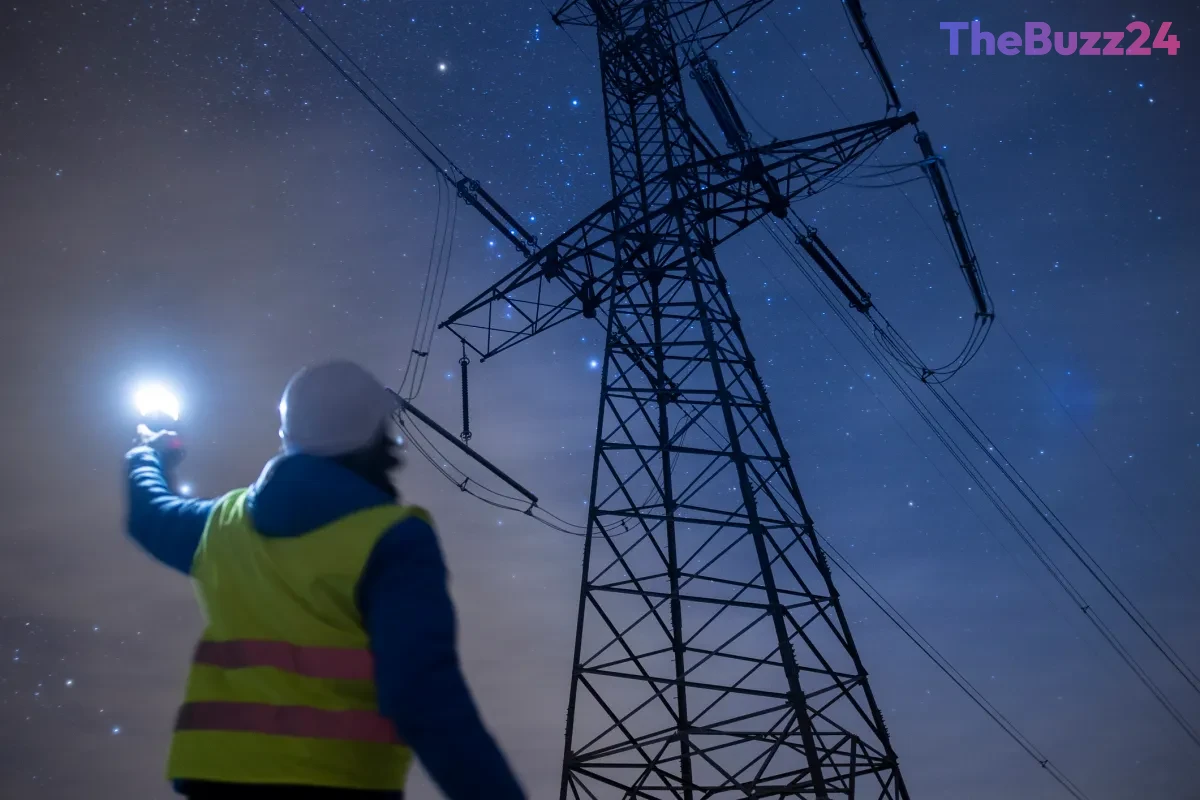
Solving the Grid Mystery: How Synchronized Battery Checks Cause Global Electrical Anomalies
Power grid operators around the globe have long been baffled by a subtle yet persistent anomaly: every 60 seconds, electrical frequencies across continents experience a slight drop. While these minor oscillations were previously difficult to pin down, extensive research has finally unraveled the cause behind these global, clockwork disruptions. The culprit lies not in massive power plant failures or natural phenomena, but in millions of internet-connected uninterruptible power supply (UPS) systems and battery storage units synchronized down to the exact second.
To uncover the source of the problem, researchers conducted detailed modeling and monitored localized microgrids using high-precision power quality sensors. The measurements revealed a clear pattern centered around battery energy storage systems. Because modern stationary batteries—widely deployed across data centers, industrial complexes, and grid-scale facilities—use internet time protocols to check their charge states every minute, their operations occur in near-perfect unison worldwide. Although an individual battery checking its status creates an imperceptible draw, the simultaneous action of millions of connected units generates a collective surge that measurably destabilizes grid frequencies.
The impact of this phenomenon is particularly visible in regions with high concentrations of digital infrastructure. In Ireland, for instance, where data centers account for roughly 18 percent of total electricity consumption, data collected over five years demonstrated that minute-by-minute frequency sags quadrupled as data center capacity expanded, with some drops exceeding 20 milli-Hertz. While power grids are designed to handle routine variance, these regular dips erode safety margins. If a synchronized battery check coincides with an unexpected generator outage or heavy load spike, the cumulative effect could trigger equipment damage or widespread blackouts.
Fortunately, mitigating this vulnerability requires a relatively simple solution rather than expensive infrastructure overhauls. Experts recommend that hardware manufacturers implement minor software updates that introduce randomized timing intervals to charge-checking routines, spreading out the electrical load. However, implementing this patch globally poses a challenge, particularly across unmanaged internet-of-things (IoT) devices where firmware updates are rarely applied. Regulatory authorities may ultimately need to mandate timing standards for energy storage management to protect global power architecture.
Key Takeaways
- Global power grids experience minute-by-minute frequency drops caused by synchronized battery charge checks across connected devices.
- Data centers and uninterruptible power supplies (UPS) collectively draw power in unison, creating measurable electrical instability.
- Resolving the issue requires simple software patches that introduce randomized timing intervals for charge monitoring.
Editor’s Analysis & Impact
The discovery of synchronized power sags highlights an unintended side effect of hyper-connected, digitized energy infrastructure. As data centers expand to support AI workloads and cloud computing, their reliance on uninterruptible power supply (UPS) architecture poses subtle but serious challenges to grid stability. Although a 20 milli-Hertz drop does not immediately break the system, it reduces operational buffer zones during peak demand or unexpected generation loss. Because the fix relies heavily on software updates across millions of devices, historic friction in firmware patching—especially within the IoT ecosystem—could prolong the vulnerability. Moving forward, energy regulators must establish standardized operational requirements for grid-connected power hardware, ensuring digital infrastructure expands without risking grid reliability.
Frequently Asked Questions
Q: Why do battery checks occur at the exact same second worldwide?
A: Internet-connected power storage systems rely on synchronized network clocks for routine diagnostics. Because many systems check their state-of-charge on the minute, millions of devices perform this operation simultaneously.
Q: Can these minute-by-minute frequency drops trigger power blackouts?
A: While an isolated drop is generally manageable, if synchronized battery checks happen during a severe power outage or sudden load surge, the combined strain could push the electrical grid beyond safe operational limits.
Q: How can device manufacturers fix this problem?
A: Manufacturers can release firmware patches that introduce small, randomized delays into state-of-charge monitoring, ensuring that diagnostic power draws are distributed evenly over time rather than occurring simultaneously.
AI Disclosure: This article is based on verified data and official reports. Our Team and AI have cross-referenced every financial detail with primary sources to ensure total accuracy.
More from this Category