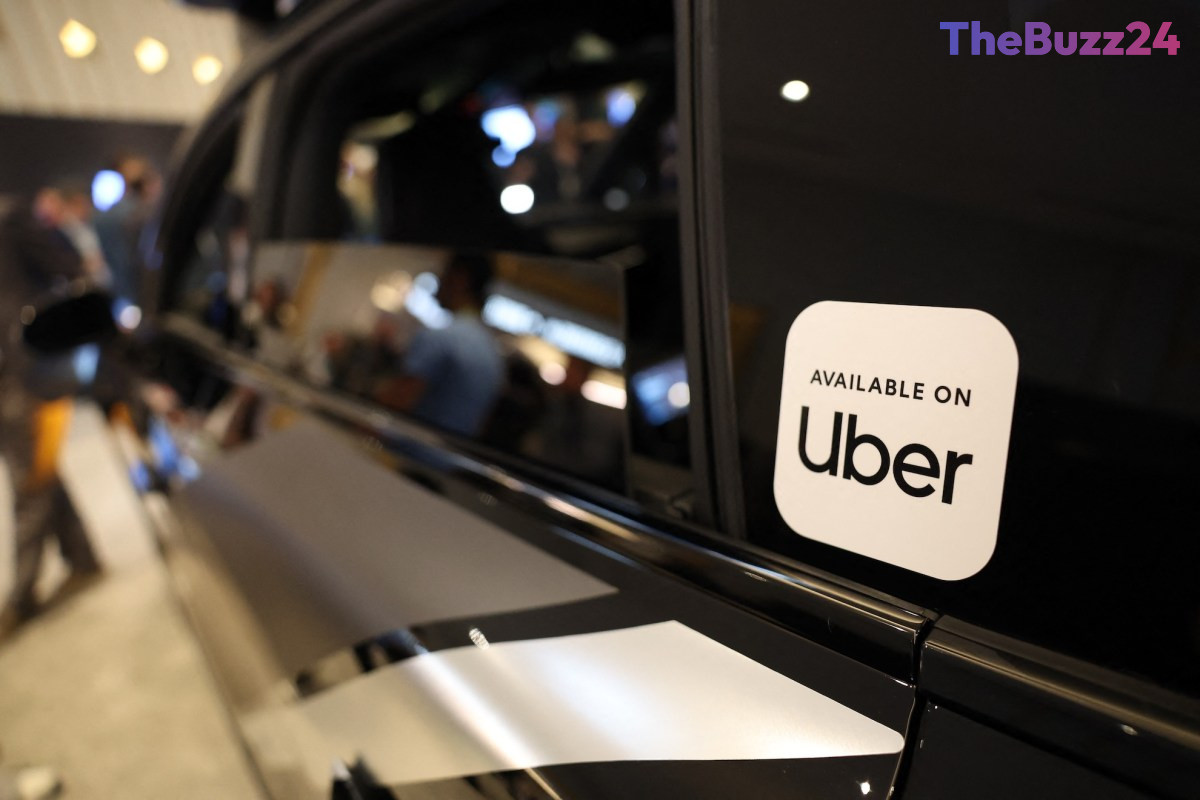
Inside Uber’s Massive Global Push to Build an Autonomous Vehicle Empire
Uber is aggressively reshaping the future of transportation by forging a vast web of partnerships and direct investments across the global autonomous vehicle landscape. After previously shuttering its own in-house self-driving division, the ride-hailing giant has pivoted toward a collaborative ecosystem strategy, teaming up with dozens of hardware manufacturers, software developers, and fleet operators worldwide.
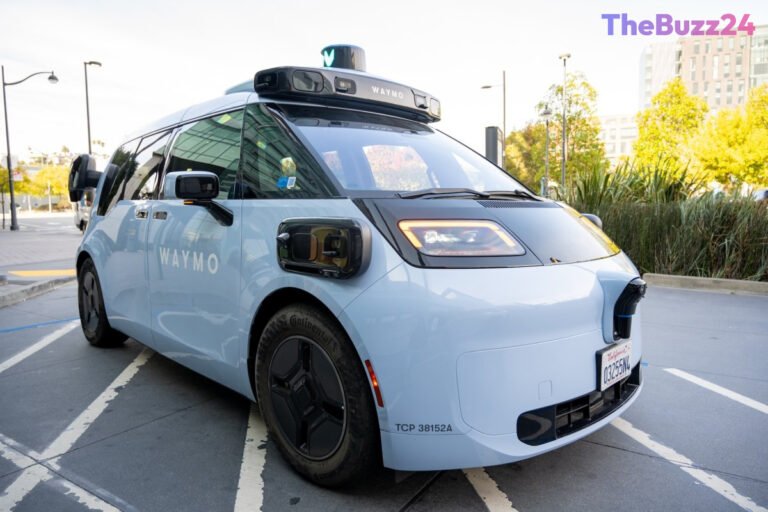
The company’s strategy spans multiple continents and vehicle types, ranging from long-haul autonomous semi-trucks to urban robotaxis and sidewalk delivery bots. Major collaborations with industry leaders like Waymo, Aurora, Baidu, and Lucid highlight Uber’s ambition to integrate third-party autonomous technology directly into its existing consumer platform. By combining its massive user network with specialized autonomous driving systems, Uber is positioning itself as the central marketplace for self-driving mobility.
Financial commitments have scaled rapidly alongside these operational deals. Uber has poured hundreds of millions of dollars into key autonomous startups and electric vehicle manufacturers, securing equity stakes and guaranteed fleet rollouts over the coming decade. From deploying robotaxis in major European and Asian metropolises to launching autonomous delivery services in the United States, the company is systematically laying the groundwork for a driverless future.
While some early pilots have faced regulatory scrutiny or shifting timelines, the sheer scale of Uber’s network ensures its pivotal role in commercializing autonomous transportation. As these partnerships mature from testing phases to widespread public deployment, Uber is successfully transforming from a traditional ride-hailing app into the ultimate aggregator for global autonomous transit.
Key Takeaways
- Uber has partnered with or invested in more than 30 autonomous vehicle companies globally, pivoting away from its early in-house development model.
- The company's extensive network includes major agreements for robotaxis, autonomous trucks, and sidewalk delivery robots with firms like Aurora, Baidu, Lucid, and Waymo.
- Uber is actively scaling its robotaxi and delivery operations across North America, Europe, Asia, and the Middle East through targeted equity investments and commercial rollouts.
Editor’s Analysis & Impact
Uber’s aggressive pivot toward an ecosystem-based autonomous vehicle strategy represents a masterclass in market positioning. By avoiding the extreme capital expenditure of building proprietary self-driving hardware while retaining equity in top-tier autonomy startups, Uber mitigates early-stage development risks. Instead, it leverages its greatest asset: a massive, globally entrenched ride-hailing and delivery network. This positions Uber not as a car manufacturer or tech developer, but as the indispensable digital storefront for autonomous mobility. As regulatory hurdles clear and commercial robotaxi fleets scale toward the end of the decade, this platform-agnostic approach could secure Uber’s dominance in the future transportation economy, effectively shielding it from hardware commoditization while capturing high-margin transactional volume.
Frequently Asked Questions
Q: Why did Uber stop developing its own self-driving technology?
A: Following high-profile legal battles, leadership changes, and a fatal testing accident in 2018, Uber restructured its operations under CEO Dara Khosrowshahi. In 2020, the company divested its internal autonomous vehicle unit, Uber ATG, to focus on its core human-driven ride-hailing and delivery businesses before returning to AVs via strategic partnerships.
Q: How does Uber integrate autonomous vehicles into its app?
A: Uber partners with various autonomous vehicle developers and automotive manufacturers to make self-driving cars, robotaxis, and delivery robots available directly through the Uber and Uber Eats applications, often partnering with fleet management operators to handle day-to-day vehicle maintenance and charging.
Q: Which major companies are currently working with Uber on autonomous tech?
A: Uber maintains partnerships and financial ties with numerous autonomous leaders, including Aurora for trucking, Waymo, Baidu, WeRide, and Cruise for robotaxis, as well as hardware and software providers like Nvidia, Lucid, and Rivian.
AI Disclosure: This article is based on verified data and official reports. Our Team and AI have cross-referenced every financial detail with primary sources to ensure total accuracy.
More from this Category