OpenAI Chief Sam Altman Sparks Debate Over AI-Generated Morning Podcasts for Kids
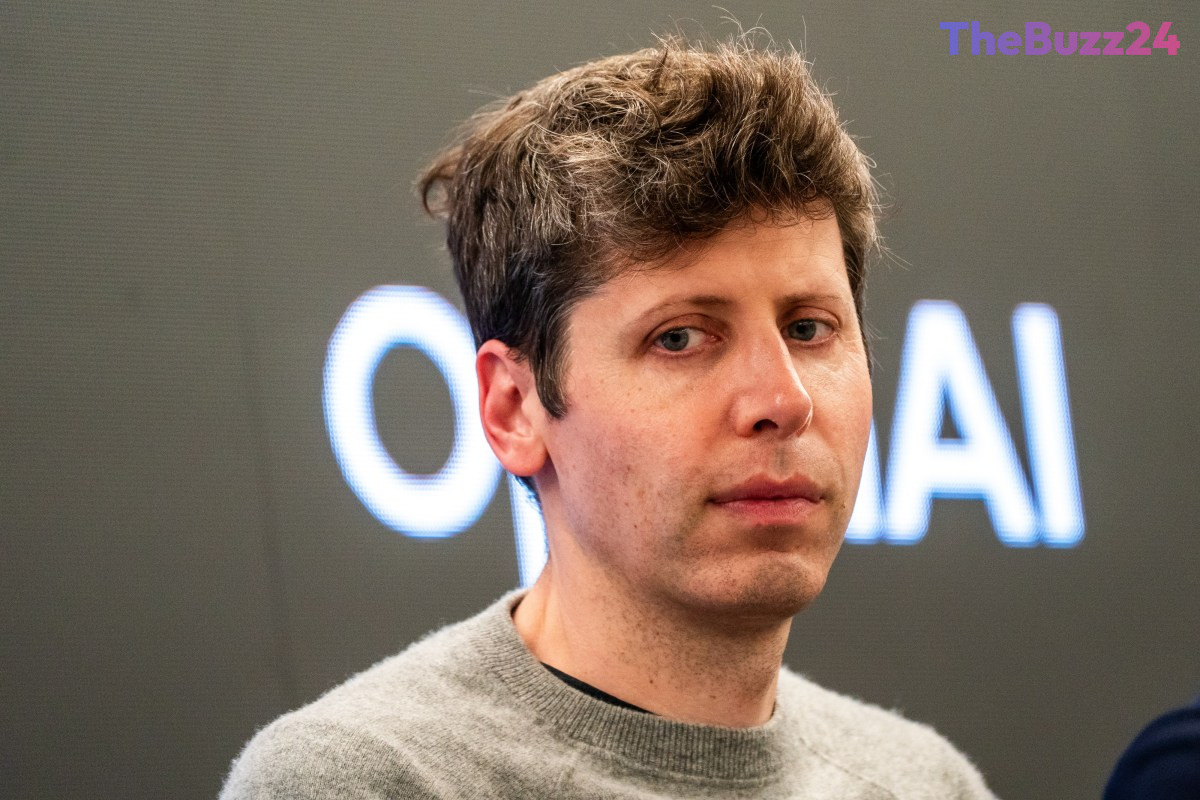
OpenAI Chief Executive Sam Altman recently sparked a widespread online discussion by suggesting that parents use the company’s artificial intelligence tools to curate personalized morning podcasts for their children during the school commute. By integrating family calendars and specific children’s interests into the platform, Altman envisioned an automated broadcast that could discuss daily schedules, upcoming events, and general news tailored to each child.
The suggestion quickly drew skepticism and criticism across social media platforms. Among the critics was Alex Hirsch, creator of the animated series ‘Gravity Falls,’ who publicly questioned the necessity of substituting direct parental communication with synthetic audio generated by machine learning models. The sharp contrast in engagement between the initial proposal and the critical response highlighted a broader societal tension regarding the increasing integration of automation into daily family life and interpersonal relationships.
This vision of automated commutes aligns with similar statements made by other prominent technology executives who have championed substituting traditional media consumption with AI-driven summaries. Meanwhile, OpenAI continues to explore family-oriented product development, evidenced by recent recruitment efforts aimed at building trust-sensitive consumer experiences for households. However, the push into family spaces also coincides with ongoing legal scrutiny and public discussions concerning safety measures and the psychological impact of generative models on younger users.
Key Takeaways
- OpenAI CEO Sam Altman suggested using AI to create personalized morning podcasts for children during school commutes.
- The proposal drew heavy criticism online, including a viral pushback from 'Gravity Falls' creator Alex Hirsch regarding genuine family interaction.
- OpenAI is actively pursuing family-focused market strategies even as it faces broader questions and legal scrutiny regarding user safety.
Editor’s Analysis & Impact
The intersection of generative artificial intelligence and daily domestic life represents the next major frontier for tech enterprises seeking consumer market expansion. While executives like Sam Altman view automation as a tool to streamline household management and enhance personalization, the public pushback reveals deep-seated cultural resistance to algorithmically mediated human relationships. As companies like OpenAI develop products specifically tailored for families, they must navigate a delicate balance between utility and emotional resonance. The broader market implication is clear: consumer trust will become the primary differentiator for AI applications entering sensitive personal spaces, requiring tech firms to address safety, psychological well-being, and ethical boundaries proactively to achieve long-term adoption.
Frequently Asked Questions
Q: What did Sam Altman suggest parents use ChatGPT for?
A: Sam Altman suggested that parents could use ChatGPT to generate personalized morning podcasts for their children during the school drive, incorporating family calendars, daily schedules, and individual interests.
Q: How did the public react to the suggestion?
A: The proposal received mixed reactions, with significant online criticism. Notably, 'Gravity Falls' creator Alex Hirsch posted a viral response questioning why parents wouldn't just talk directly to their children instead.
Q: Is OpenAI focusing on family-oriented products?
A: Yes, OpenAI has indicated interest in the family demographic, having previously posted job listings for product managers experienced in building trust-sensitive consumer experiences for parents and families.
AI Disclosure: This article is based on verified data and official reports. Our Team and AI have cross-referenced every financial detail with primary sources to ensure total accuracy.
More from this Category