Global Energy Security at Risk Following Targeted Strikes on Saudi Infrastructure
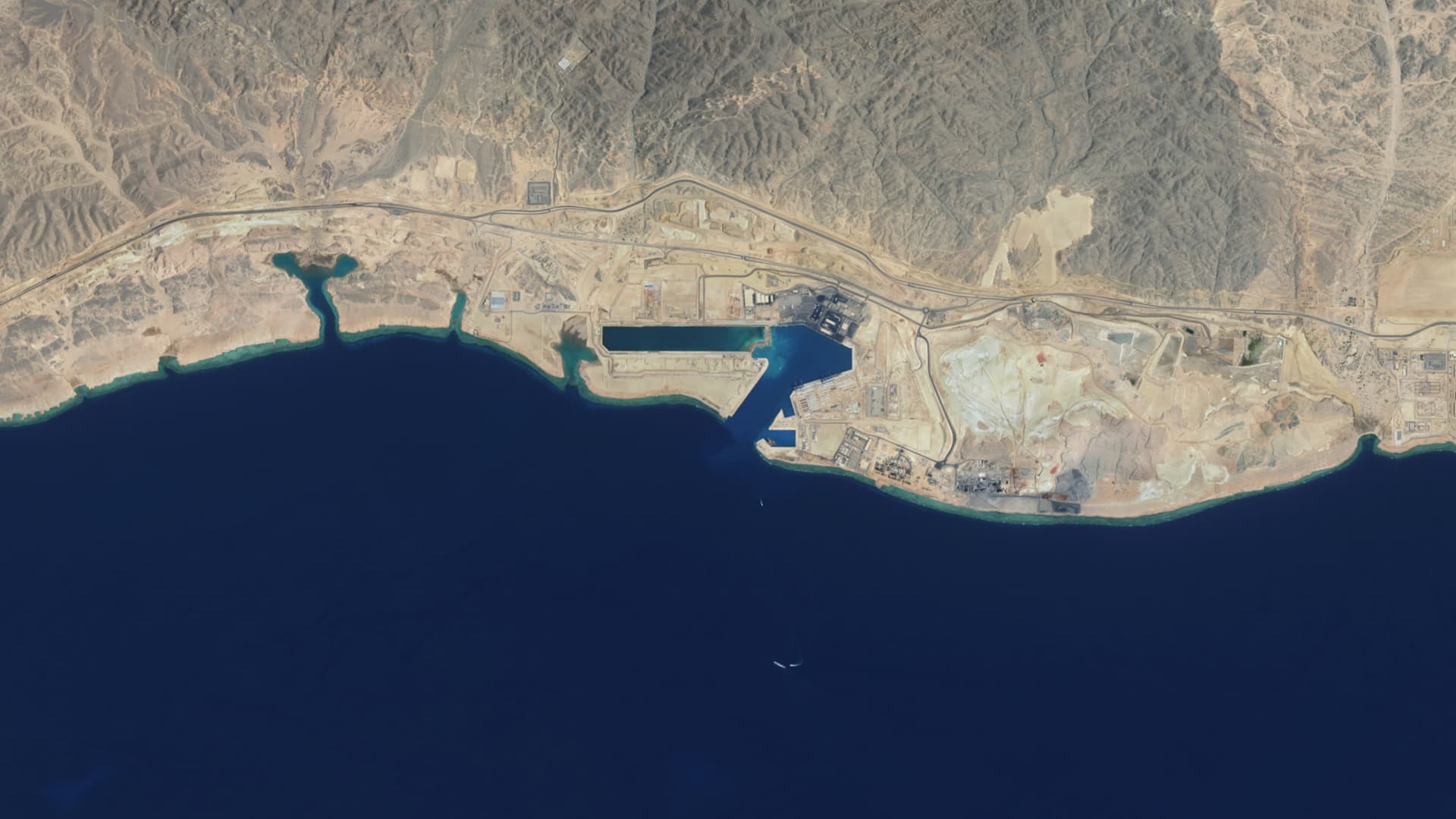
Global energy markets are facing severe instability following a series of coordinated strikes against Saudi Arabia’s critical oil infrastructure. The attacks have successfully targeted key production facilities and vital transport pipelines, leading to a substantial reduction in the kingdom’s daily crude output. Among the most significant impacts is the disruption to the East-West pipeline, a strategic conduit designed to transport oil from the Persian Gulf to the Red Sea, which has seen its throughput plummet by 700,000 barrels per day.
In addition to the pipeline damage, major production sites at Manifa and Khurais were hit, resulting in a further loss of 600,000 barrels per day. These facilities are integral to Saudi Arabia’s export capabilities, and the damage sustained has complicated efforts to maintain steady supply levels. The vulnerability of the East-West pipeline, which serves as a critical safeguard for global exports, has heightened concerns among international market participants regarding the reliability of energy supply chains.
The situation is further exacerbated by ongoing volatility surrounding the Strait of Hormuz, which remains effectively restricted. With approximately 13 million barrels per day of production currently halted across the Gulf region, the cumulative effect of these disruptions is placing unprecedented pressure on global energy security and pricing mechanisms. As the region grapples with these logistical challenges, the international community remains on high alert for further developments that could impact global economic stability.
Key Takeaways
- Coordinated attacks on Saudi energy infrastructure have caused a direct reduction of 1.3 million barrels per day in crude output.
- The East-West pipeline, a vital alternative to the Strait of Hormuz, has suffered significant operational damage.
- Regional instability has led to a total production halt of approximately 13 million barrels per day across the Gulf.
Editor’s Analysis & Impact
The recent strikes on Saudi energy infrastructure mark a dangerous escalation in regional geopolitical tensions, with immediate and far-reaching consequences for global energy markets. By simultaneously targeting production hubs and the East-West pipeline, the attacks have effectively neutralized critical redundancies in the global oil supply chain. This creates a ‘perfect storm’ for market volatility, as the inability to rely on the Strait of Hormuz—coupled with the loss of bypass infrastructure—leaves few alternatives for energy transit. Moving forward, markets will likely incorporate a significant risk premium, reflecting the uncertainty surrounding the duration of these outages. The broader implication is a fundamental shift in how energy-importing nations perceive supply chain security, likely accelerating the push for diversified energy sources and the expansion of strategic reserves to insulate global economies from localized regional conflicts.
Frequently Asked Questions
Q: Why is the East-West pipeline considered a strategic asset for Saudi Arabia?
A: The East-West pipeline is vital because it provides a land-based route to transport crude oil from the Persian Gulf to the Red Sea, allowing the kingdom to bypass the Strait of Hormuz, which is frequently subject to maritime blockades and geopolitical friction.
Q: What is the total impact of these attacks on daily oil production?
A: The direct attacks on Saudi facilities have resulted in a loss of 1.3 million barrels per day, while broader regional instability has contributed to a total halt of approximately 13 million barrels per day across the Gulf.
AI Disclosure: This article is based on verified data and official reports. Our Team and AI have cross-referenced every financial detail with primary sources to ensure total accuracy.
More from this Category