Iran Claims U.S. Blocks Strait of Hormuz Agreement Despite Omani Accord
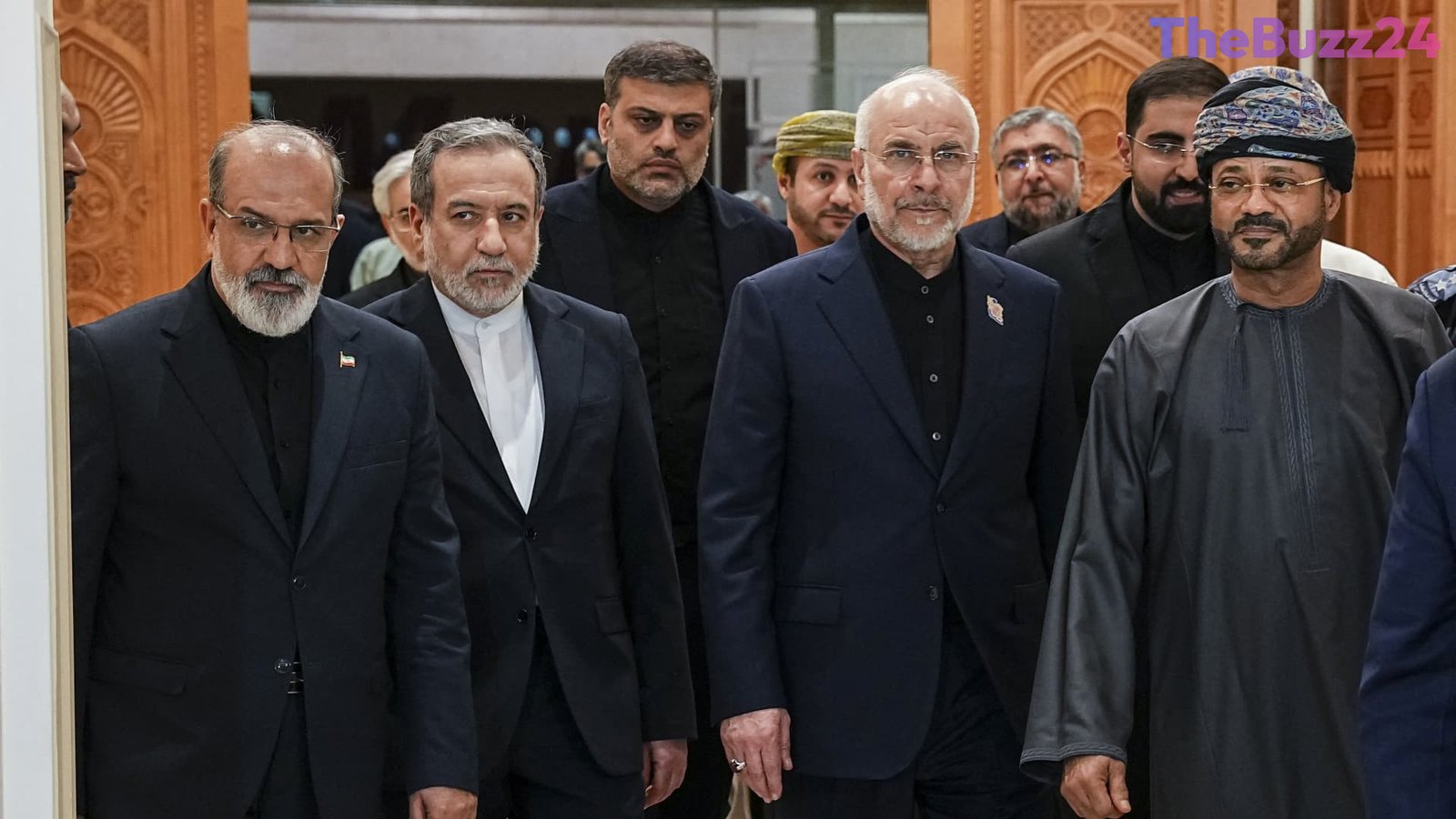
Iran’s Revolutionary Guard has asserted that a formal agreement has been reached with Oman to ensure secure transit through the critical Strait of Hormuz. Despite this bilateral consensus, the hard-line military faction contends that Washington is actively obstructing the final implementation, warning that the vital waterway will remain restricted until American authorities meet Tehran’s specified conditions.
The diplomatic friction follows a joint announcement by Iranian and Omani officials detailing discussions over a proposed temporary navigational corridor and a collaborative initiative to clear maritime mines. While technical talks are slated to continue for a permanent administrative framework, current traffic through the economic artery has plummeted significantly, with cargo volume dropping to a fraction of its normal ten-day average.
Simultaneously, international energy markets have reacted to the shifting geopolitical landscape, with Brent crude prices dipping below the ninety-dollar threshold. Market sentiment has also been influenced by reports of returning diplomats and speculation regarding potential diplomatic breakthroughs, even as Treasury Secretary Scott Bessent signals impending economic pressures aimed at curtailing Iran’s trade networks.
Amid these developments, Washington has temporarily delayed aggressive secondary sanctions on key international entities, such as Chinese financial institutions linked to Iranian oil transactions. In response, Beijing has issued firm warnings against expanded economic measures, vowing to protect its national interests if the United States escalates pressure on trading partners.
Key Takeaways
- Iran and Oman have agreed on terms for a safe transit route through the Strait of Hormuz, but the Revolutionary Guard claims U.S. interference is blocking the final deal.
- Crude oil prices have dropped below $90 per barrel as traffic through the vital shipping lane remains severely depressed.
- The U.S. has temporarily withheld severe secondary sanctions on foreign buyers of Iranian oil, prompting pushback from Beijing.
Editor’s Analysis & Impact
The standoff over the Strait of Hormuz highlights the delicate balance between geopolitical security and global energy markets. With roughly a fifth of the world’s crude historically flowing through this chokepoint, any disruption directly rattles commodity prices. Although bilateral talks between Iran and Oman signal a potential pathway toward localized de-escalation, the insistence of the Revolutionary Guard on U.S. compliance introduces a volatile variable. Meanwhile, the strategic restraint shown by Washington regarding secondary sanctions on major buyers like China illustrates a cautious approach to avoid destabilizing the broader global financial system. Moving forward, the trajectory of oil prices will heavily depend on whether diplomatic channels can establish permanent navigational security without triggering an escalation in broader economic warfare.
Frequently Asked Questions
Q: What is the current status of the Strait of Hormuz?
A: The Strait of Hormuz has experienced heavily reduced traffic—dropping to a fraction of its ten-day average—amid ongoing geopolitical tensions and security concerns.
Q: What role does Oman play in the negotiations?
A: Oman has been actively engaged in bilateral talks with Iran, resulting in discussions over a proposed temporary navigational corridor and collaborative mine-clearing projects.
Q: How have oil markets reacted to the situation?
A: International benchmark Brent crude prices extended recent losses, falling below $90 per barrel in response to developments surrounding the strait and potential diplomatic talks.
AI Disclosure: This article is based on verified data and official reports. Our Team and AI have cross-referenced every financial detail with primary sources to ensure total accuracy.
More from this Category