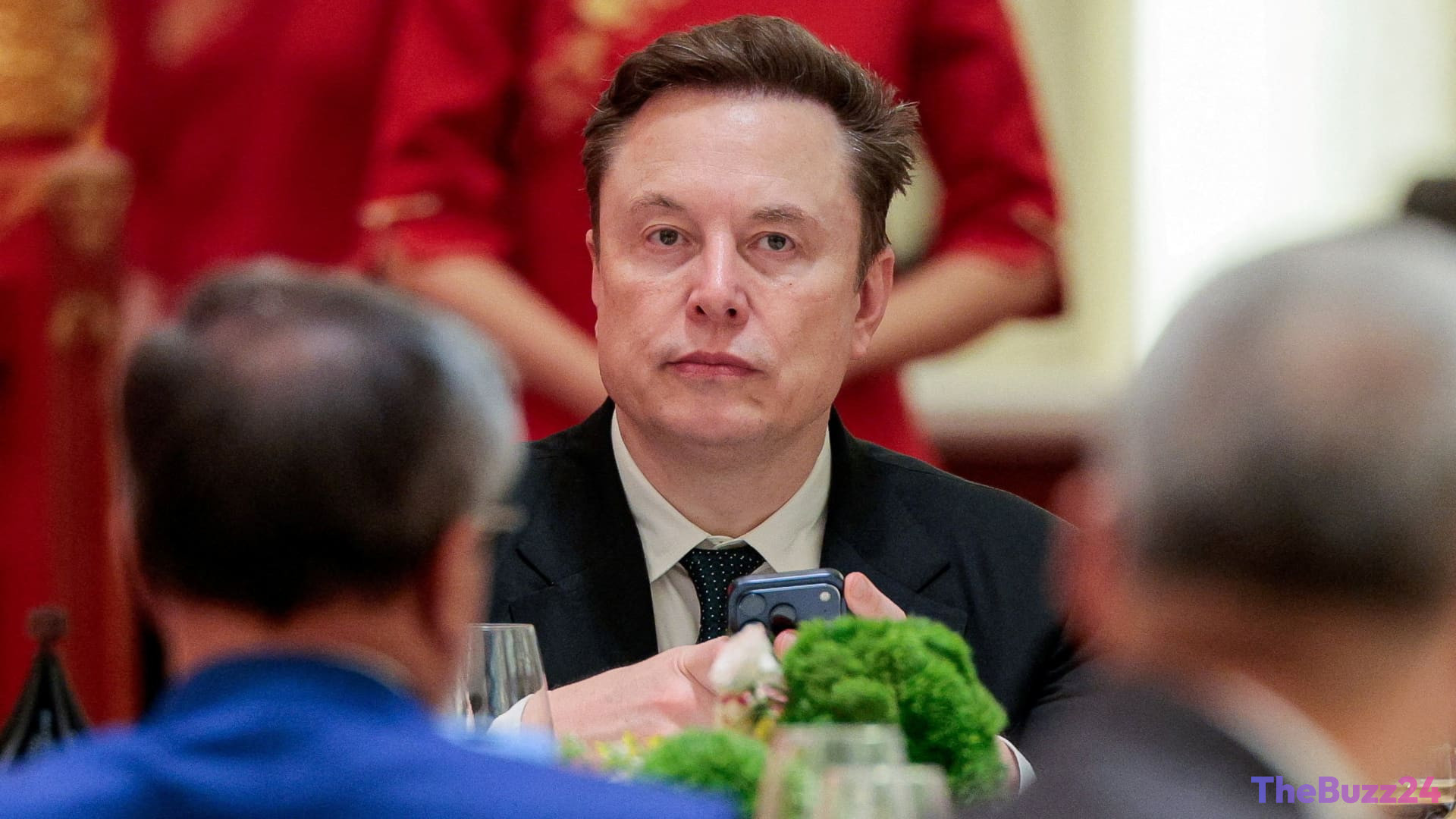
Iran Declares Elon Musk’s Middle East Ventures as Military Targets Amid Escalating US Tensions
Iran has officially designated all business entities associated with billionaire Elon Musk in the Middle East as legitimate military targets. This declaration specifically highlights SpaceX’s Starlink satellite internet network, including its regional ground stations. Iranian authorities argue that these commercial technologies are actively integrated into United States military operations in the region, thereby making them complicit in hostile actions.
The escalation comes amid a sharp increase in military friction between Washington and Tehran. Recent hostilities include the downing of a U.S. military helicopter over the Strait of Hormuz, which triggered a series of heavy retaliatory airstrikes by American forces. In response to these clashes, U.S. leadership has warned of imminent, severe strikes targeting critical Iranian infrastructure, including major oil export hubs like Kharg Island.
Iranian officials claim that Starlink’s satellite infrastructure plays a critical role in guiding high-tech U.S. ordnance, such as unmanned aerial drones and maritime surveillance vessels. This is not the first time Tehran has directed threats toward American technology giants; the Islamic Revolutionary Guard Corps has previously issued warnings against other major tech firms, including Apple, Microsoft, Google, and Nvidia, reflecting a broader strategy of targeting Western digital and technological infrastructure.
Key Takeaways
- Iran has declared all of Elon Musk's regional business holdings, particularly Starlink, as active military targets.
- The threats are tied to allegations that Starlink technology supports U.S. military drone and naval operations in the Middle East.
- This development coincides with rapidly escalating military strikes between the U.S. and Iran, alongside threats of targeting Iranian oil infrastructure.
Editor’s Analysis & Impact
The designation of commercial satellite networks like Starlink as military targets underscores the shifting paradigm of modern warfare, where private tech infrastructure is increasingly inseparable from state defense operations. Starlink’s critical role in active conflict zones—previously seen in Ukraine and now highlighted in the Middle East—positions private tech conglomerates as geopolitical actors. For SpaceX and other Silicon Valley giants like Nvidia and Microsoft, this escalation raises the physical and cybersecurity risks for regional assets and personnel. Furthermore, it signals to global markets that dual-use technologies will face direct state-sponsored threats, potentially forcing corporations to seek stronger defense partnerships or reconsider their geographic footprints in volatile regions.
Frequently Asked Questions
Q: Why is Iran targeting Elon Musk's companies specifically?
A: Iran alleges that Musk's companies, particularly Starlink, provide critical technological and logistical support to U.S. military operations, including drone strikes and maritime surveillance, in the Middle East.
Q: What other technology companies has Iran threatened?
A: In addition to SpaceX and Starlink, Iran's Revolutionary Guard has previously directed threats toward other major U.S. technology firms, including Apple, Microsoft, Google, and Nvidia.
Q: How does this impact Starlink's operations?
A: While Starlink's satellite constellation remains in orbit, its physical ground stations and regional infrastructure in the Middle East face heightened security risks, potentially disrupting connectivity and complicating regional operations.
AI Disclosure: This article is based on verified data and official reports. Our Team and AI have cross-referenced every financial detail with primary sources to ensure total accuracy.
More from this Category