Iran Proposes Seven-Day Deal to Reopen Strait of Hormuz Amidst Tensions
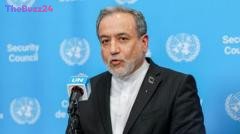
Iran has put forth a proposal to the United States aimed at reopening the critical Strait of Hormuz within a week, according to Iranian Foreign Minister Abbas Araghchi. Speaking to reporters at the United Nations in New York, Araghchi stated that the reopening is contingent upon the fulfillment of “necessary conditions” outlined in a memorandum of understanding (MOU) signed in June. He emphasized that the decision now lies with the U.S., with the proposal conveyed through Qatari mediation.
A U.S. official acknowledged that discussions are underway through intermediaries, touching upon nuclear matters. While a formal response from the U.S. is pending, reports suggest President Donald Trump has expressed private skepticism about Iran’s commitment to his demands, reportedly favoring a renewed bombing campaign. This development follows a period of escalated conflict where air strikes by the U.S. and Israel on Iran were met with retaliatory attacks on Israeli and U.S. bases, leading to the closure of the Strait of Hormuz.
The Strait of Hormuz is a vital global energy chokepoint, with approximately 20% of the world’s oil and liquefied natural gas passing through it prior to the conflict. Its closure has triggered significant volatility in energy prices and intensified pressure on the Trump administration to de-escalate the situation, particularly with U.S. Congressional elections on the horizon. Iranian President Masoud Pezeshkian indicated that a ceasefire process would commence immediately upon acceptance of the proposed terms, suggesting a return to the status quo as previously agreed upon in a Pakistani-brokered MOU.
Furthermore, President Pezeshkian indicated Iran’s willingness to permit UN nuclear inspectors into the country and reach agreements on nuclear issues within the framework of negotiations, while denying any pursuit of nuclear weapons. The June MOU, though intended to establish a ceasefire and partially reopen the Strait, faltered when both sides resumed military operations. The agreement had stipulated an end to military actions, the lifting of U.S. sanctions, and arrangements for the safe passage of commercial vessels through the Strait, alongside talks with Oman regarding future shipping protocols.
Key Takeaways
- Iran has offered a deal to the U.S. to reopen the Strait of Hormuz within seven days, contingent on specific conditions outlined in a prior MOU.
- The proposal comes amidst heightened geopolitical tensions and follows a period of conflict that led to the closure of the vital oil and gas chokepoint.
- The U.S. response is pending, with reports indicating President Trump's private skepticism, while Iran also signals openness to nuclear inspections and negotiations.
Editor’s Analysis & Impact
The Iranian proposal to reopen the Strait of Hormuz presents a critical juncture in U.S.-Iran relations and global energy markets. The potential reopening of this vital chokepoint could stabilize volatile energy prices and ease supply chain concerns. However, the success of this initiative hinges on the U.S. response and the willingness of both parties to adhere to the terms of the MOU. The skepticism reportedly expressed by President Trump introduces uncertainty, potentially prolonging the conflict and its economic repercussions. This situation underscores the delicate balance of power in the region and the significant impact of geopolitical instability on global trade and energy security.
Frequently Asked Questions
Q: What is the Strait of Hormuz and why is it important?
A: The Strait of Hormuz is a narrow waterway connecting the Persian Gulf to the Gulf of Oman and the open sea. It is a critical chokepoint for global oil and gas transportation, with approximately 20% of the world's oil and liquefied natural gas passing through it.
Q: What was the previous MOU between the U.S. and Iran?
A: The memorandum of understanding (MOU) signed in June aimed to establish a ceasefire, partially reopen the Strait of Hormuz, and address nuclear concerns. It included provisions for ending military operations, lifting U.S. sanctions, and ensuring safe passage for commercial vessels.
Q: What are the potential consequences of the Strait of Hormuz remaining closed?
A: The closure of the Strait of Hormuz leads to significant fluctuations in global energy prices, disrupts international trade, and can exacerbate geopolitical tensions, potentially impacting global economic stability.
AI Disclosure: This article is based on verified data and official reports. Our Team and AI have cross-referenced every financial detail with primary sources to ensure total accuracy.
More from this Category