Tehran Tempers Expectations on Potential US Diplomatic Breakthrough
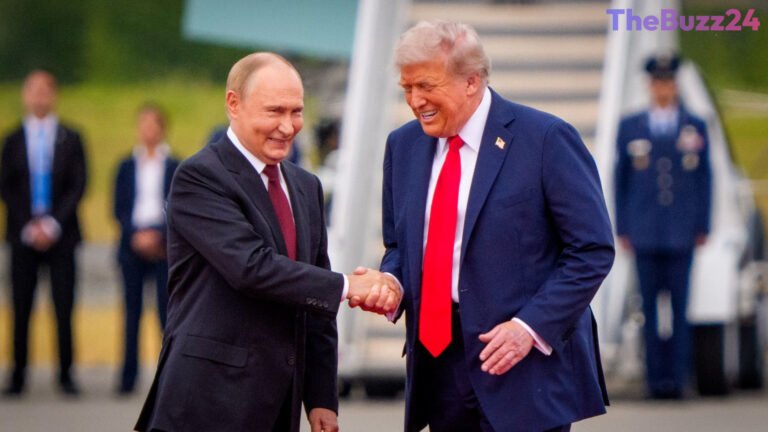
Tehran has officially signaled that a comprehensive agreement with the United States remains elusive, despite recent reports of progress in diplomatic channels. While Iranian officials admit that a significant portion of the negotiating framework has been addressed, they maintain that a definitive signing is far from guaranteed. The proposed roadmap currently under discussion includes a 60-day ceasefire extension, the reopening of the strategic Strait of Hormuz, and a structured path for future dialogue regarding Iran’s nuclear program.
Significant logistical and political obstacles continue to complicate the path toward a resolution. Observers note that direct communication with Iranian leadership has become increasingly difficult, partly due to the undisclosed whereabouts of Supreme Leader Mojtaba Khamenei following recent regional military strikes. Furthermore, any potential deal is currently viewed as a preliminary confidence-building measure rather than a final settlement. Key sticking points, including the specific timeline for sanctions relief, the unfreezing of assets, and the enforcement of strict limitations on nuclear enrichment, remain unresolved.
The geopolitical implications of these negotiations are profound, particularly regarding global energy security. The Strait of Hormuz is a vital maritime artery, accounting for roughly 20% of the world’s oil and liquefied natural gas transit. While global markets have shown optimism—evidenced by a recent dip in oil prices and a rally in Asian equities—the political climate in Washington remains fractured. Some lawmakers argue that the proposed terms are overly lenient, while others contend that a ceasefire could jeopardize long-term strategic objectives.
Regional volatility has remained high since the escalation of hostilities in late February. At the core of the ongoing friction is Iran’s nuclear program and its current stockpile of highly enriched uranium. Although Tehran continues to assert that its nuclear activities are intended solely for peaceful energy production, the international community remains focused on ensuring that the country does not achieve the capability to produce weapons-grade material.
Key Takeaways
- Tehran has downplayed the likelihood of an imminent deal with the US, despite progress on a 60-day ceasefire framework.
- Critical issues such as sanctions relief, asset unfreezing, and nuclear enrichment limits remain major points of contention.
- Global energy markets are highly sensitive to these talks due to the strategic importance of the Strait of Hormuz.
Editor’s Analysis & Impact
The current diplomatic impasse between Tehran and Washington highlights the fragility of regional stability in the Middle East. The market’s positive reaction to potential de-escalation underscores how heavily global energy prices are tethered to the security of the Strait of Hormuz. However, the lack of clarity regarding the Supreme Leader’s status and the deep political divisions within the US Congress suggest that any ‘deal’ will likely be a fragile, incremental arrangement rather than a transformative peace treaty. Moving forward, the primary challenge will be reconciling Iran’s desire for immediate economic relief through sanctions removal with the international community’s demand for verifiable, long-term constraints on nuclear enrichment. Investors should expect continued volatility in energy and equity markets until a concrete, enforceable agreement is signed and verified.
Frequently Asked Questions
Q: Why is the Strait of Hormuz significant to these negotiations?
A: The Strait of Hormuz is a critical maritime chokepoint that facilitates the transport of approximately 20% of the world's oil and liquefied natural gas, making it essential to global energy security.
Q: What are the main obstacles to a final agreement?
A: The primary hurdles include the timeline for sanctions relief, the release of frozen Iranian assets, and establishing strict, verifiable limitations on Iran's nuclear enrichment program.
AI Disclosure: This article is based on verified data and official reports. Our Team and AI have cross-referenced every financial detail with primary sources to ensure total accuracy.
More from this Category