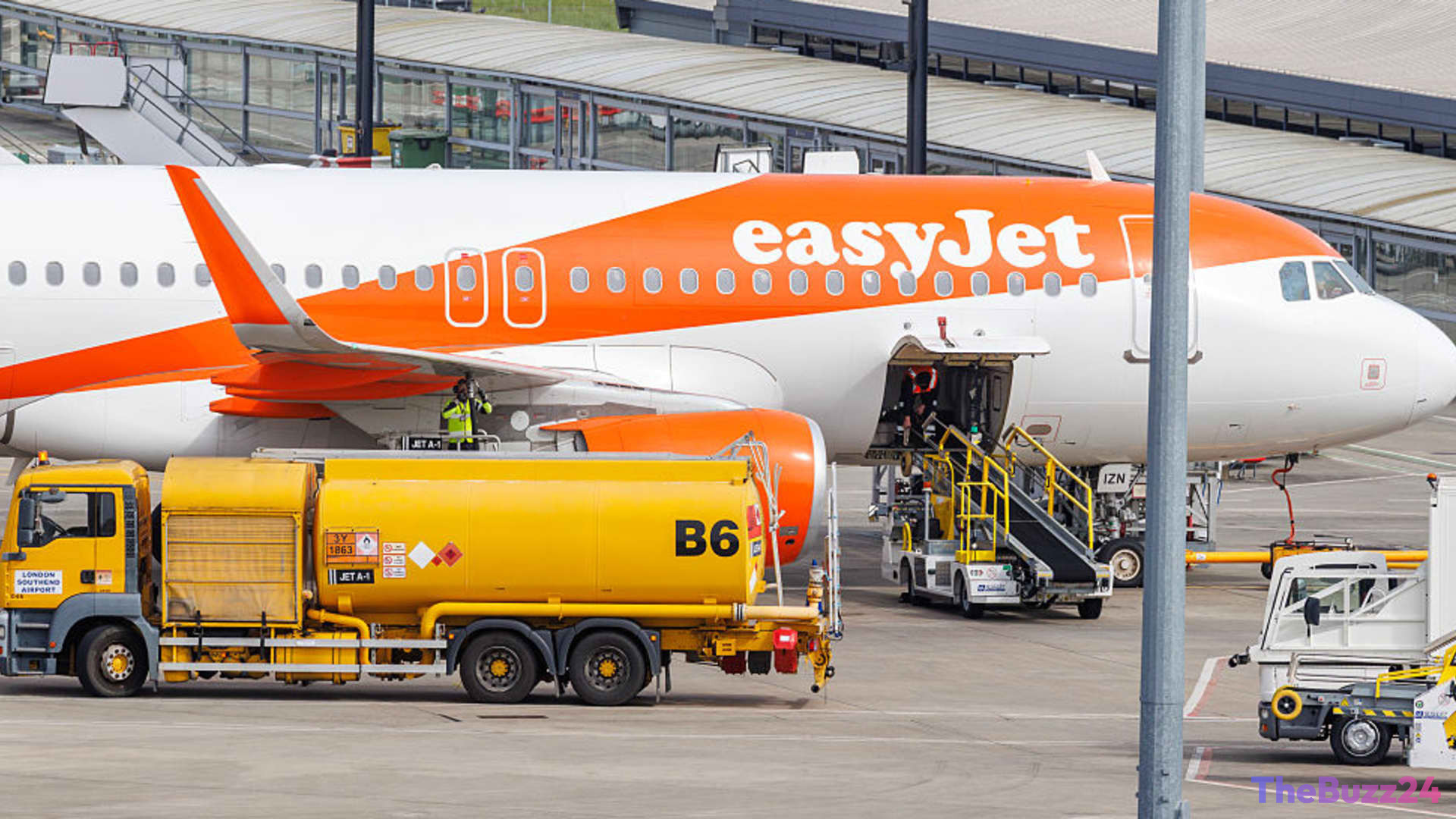
Global Jet Fuel Crisis Looms as Strait of Hormuz Blockade Disrupts Summer Travel
The global aviation industry is bracing for a severe jet fuel shortage as the ongoing conflict in the Middle East continues to choke off critical supply lines. The closure of the Strait of Hormuz has effectively halted a significant portion of jet fuel exports from the Persian Gulf, a region that previously served as the primary source for international markets. With major refineries in Asia and Europe struggling to maintain output due to a lack of crude oil feedstocks, industry experts warn that the situation is rapidly deteriorating.
European airports have issued urgent warnings regarding a potential systemic fuel shortage, noting that the continent relied on the Gulf for approximately 20% of its jet fuel supply. Major carriers, including Lufthansa, have already begun preemptively slashing flight schedules to mitigate the impact of soaring fuel costs, which have doubled in some regions over the past year. While commercial inventories have provided a temporary buffer, executives from major energy firms like ConocoPhillips and Exxon Mobil suggest that these reserves are reaching critical minimums.
As the grace period provided by pre-war shipments expires, the ripple effects are expected to intensify by June and July. While U.S. refiners such as Valero and Marathon Petroleum are pivoting to increase production and redirect exports to Europe, the global supply chain remains fragile. Experts caution that even if the conflict were to resolve immediately, the logistical challenges of clearing mines and redeploying tanker fleets mean that a return to normal supply levels could take months, threatening to disrupt travel plans for millions during the peak summer season.
Key Takeaways
- The closure of the Strait of Hormuz has caused a 30% drop in global jet fuel exports, creating a systemic supply crisis.
- European and Asian markets are most vulnerable, with major airlines already cutting flights due to doubling fuel prices and supply uncertainty.
- While U.S. refiners are increasing production to fill the gap, logistical hurdles mean that global supply chains will likely remain constrained for months.
Editor’s Analysis & Impact
The current jet fuel crisis represents a classic ‘domino effect’ in global energy markets. Because the aviation industry operates on thin margins and just-in-time supply chains, the sudden removal of Middle Eastern crude feedstocks creates an immediate, non-substitutable deficit. The market impact is twofold: first, a direct inflationary pressure on airfares as airlines pass on record-high fuel costs; second, a broader economic drag as reduced travel capacity limits tourism and business mobility. Looking ahead, this event will likely force nations to re-evaluate their energy security strategies, moving away from reliance on single-chokepoint supply routes. We anticipate a long-term shift toward regionalized refining and a potential acceleration in the adoption of sustainable aviation fuels (SAF) as governments seek to insulate their domestic economies from future geopolitical volatility in the Persian Gulf.
Frequently Asked Questions
Q: Why is the Strait of Hormuz so critical to the global jet fuel supply?
A: The Strait of Hormuz is a vital maritime chokepoint through which a significant percentage of the world's oil and refined petroleum products pass. Its closure prevents tankers from exporting fuel from the Persian Gulf, which was a primary supplier for both Europe and Asia.
Q: Will the United States be affected by the jet fuel shortage?
A: While the U.S. is more insulated due to its robust domestic refining capacity, it is not immune. The West Coast, which relies on imports from South Korean refineries that are currently struggling to secure crude oil, may face specific supply challenges.
AI Disclosure: This article is based on verified data and official reports. Our Team and AI have cross-referenced every financial detail with primary sources to ensure total accuracy.
More from this Category