Iran Warns of Severe Retaliation as High-Stakes UN General Assembly Approaches Amid US Pressures
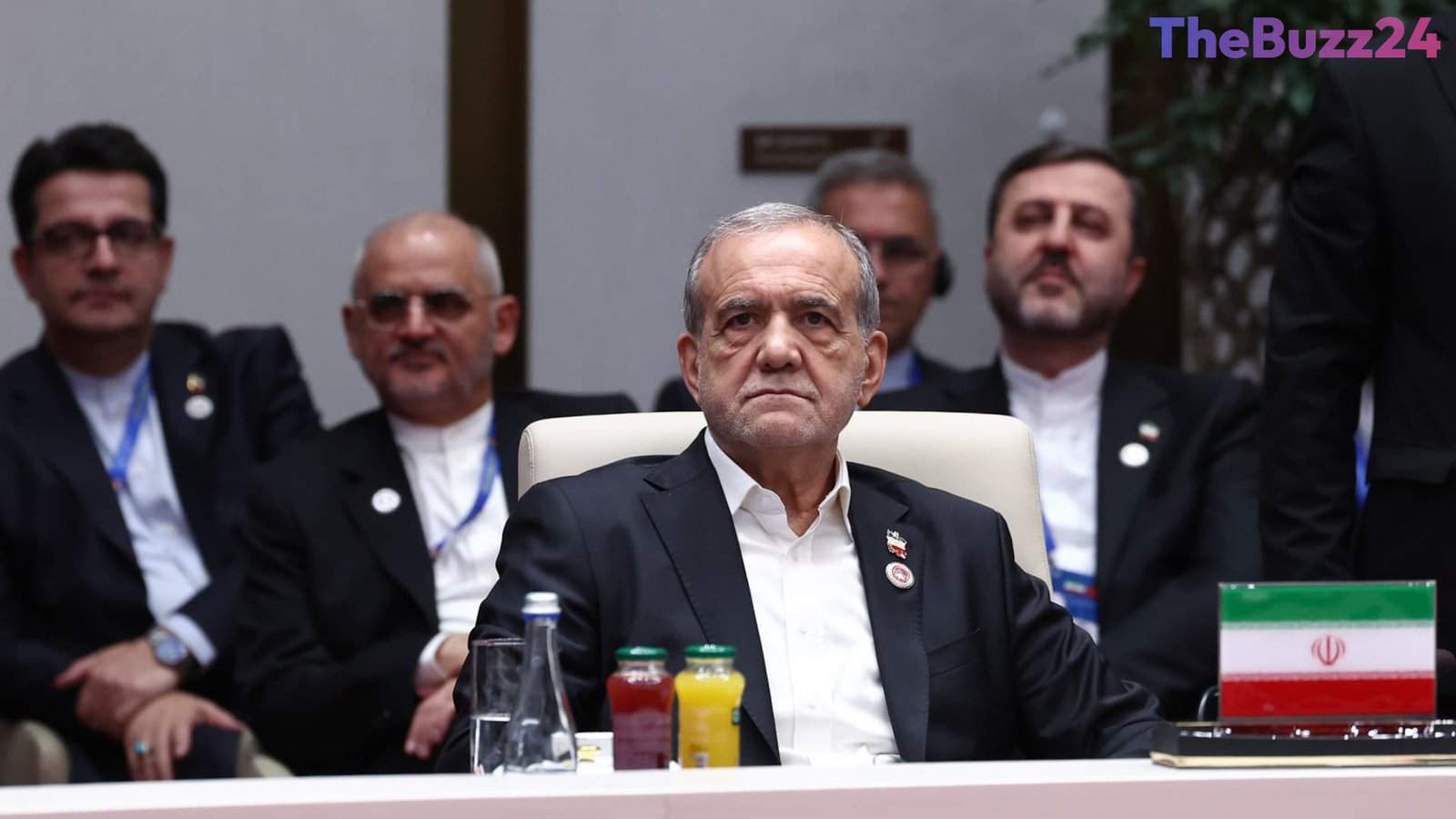
As international leaders converge on New York for the upcoming United Nations General Assembly, geopolitical tensions in the Middle East have reached a critical juncture. Iranian President Masoud Pezeshkian is scheduled to lead a diplomatic delegation to the high-level summit, bringing hopes for renewed dialogue amid an escalating economic and military standoff with Washington.
Ahead of the meetings, the rhetoric from both capitals has intensified significantly. Washington has maintained a hardline stance, warning of severe economic devastation and leadership elimination unless a comprehensive agreement is reached. In response, Iranian military authorities have issued stern warnings of a forceful and painful counter-offensive targeting regional interests should any hostile actions be initiated against the Islamic Republic.
The diplomatic landscape is further complicated by ongoing regional conflicts, including recent aerial attacks intercepted over Saudi Arabia, which have heightened security alerts for international travelers and heightened volatility in global energy markets. While analysts project that oil prices will likely remain elevated due to persistent shipping vulnerabilities in the Strait of Hormuz, financial markets have shown cautious optimism following news of direct engagement at the UN.
Iranian officials maintain that domestic resistance will continue alongside diplomatic outreach, emphasizing that meaningful negotiations can only proceed when the nation holds a firm strategic position. As world leaders prepare to address pressing international developments, the coming days in New York will be pivotal in determining whether diplomacy can avert a broader regional crisis.
Key Takeaways
- Iranian President Masoud Pezeshkian is leading a delegation to the UN General Assembly to address international developments and Middle East tensions.
- Washington has issued strict ultimatums demanding a deal, while Tehran's military warns of painful retaliation against regional interests if attacked.
- Recent proxy conflicts and threats to shipping lanes in the Strait of Hormuz continue to impact global oil markets and regional security.
Editor’s Analysis & Impact
The current diplomatic maneuvers surrounding the UN General Assembly highlight the fragile balance between potential de-escalation and severe military conflict in the Middle East. The rhetoric from Washington and Tehran underscores a high-stakes game of deterrence, where economic sanctions and military posturing are leveraged simultaneously. For global markets, particularly energy sectors, the primary concern remains the security of vital shipping corridors like the Strait of Hormuz. While diplomatic engagement offers a glimmer of hope for stability, the entrenched positions of both governments suggest that volatility will remain a defining characteristic of regional trade and international relations for the foreseeable future.
Frequently Asked Questions
Q: Who is leading the Iranian delegation at the UN General Assembly?
A: Iranian President Masoud Pezeshkian is leading the delegation to present the country's positions and hold discussions with global leaders.
Q: What are the main concerns regarding global energy markets during this standoff?
A: Analysts are primarily concerned with shipping flows and security in the Strait of Hormuz, which could keep oil prices trading in a higher band regardless of short-term diplomatic developments.
Q: What has been Washington's stance toward Iran ahead of the summit?
A: Washington has maintained pressure by stating that Tehran must strike a deal or face severe economic destruction and the elimination of its leadership.
AI Disclosure: This article is based on verified data and official reports. Our Team and AI have cross-referenced every financial detail with primary sources to ensure total accuracy.
More from this Category