Is SpaceX a Buy? Evaluating the Long-Term Potential of the Space Giant
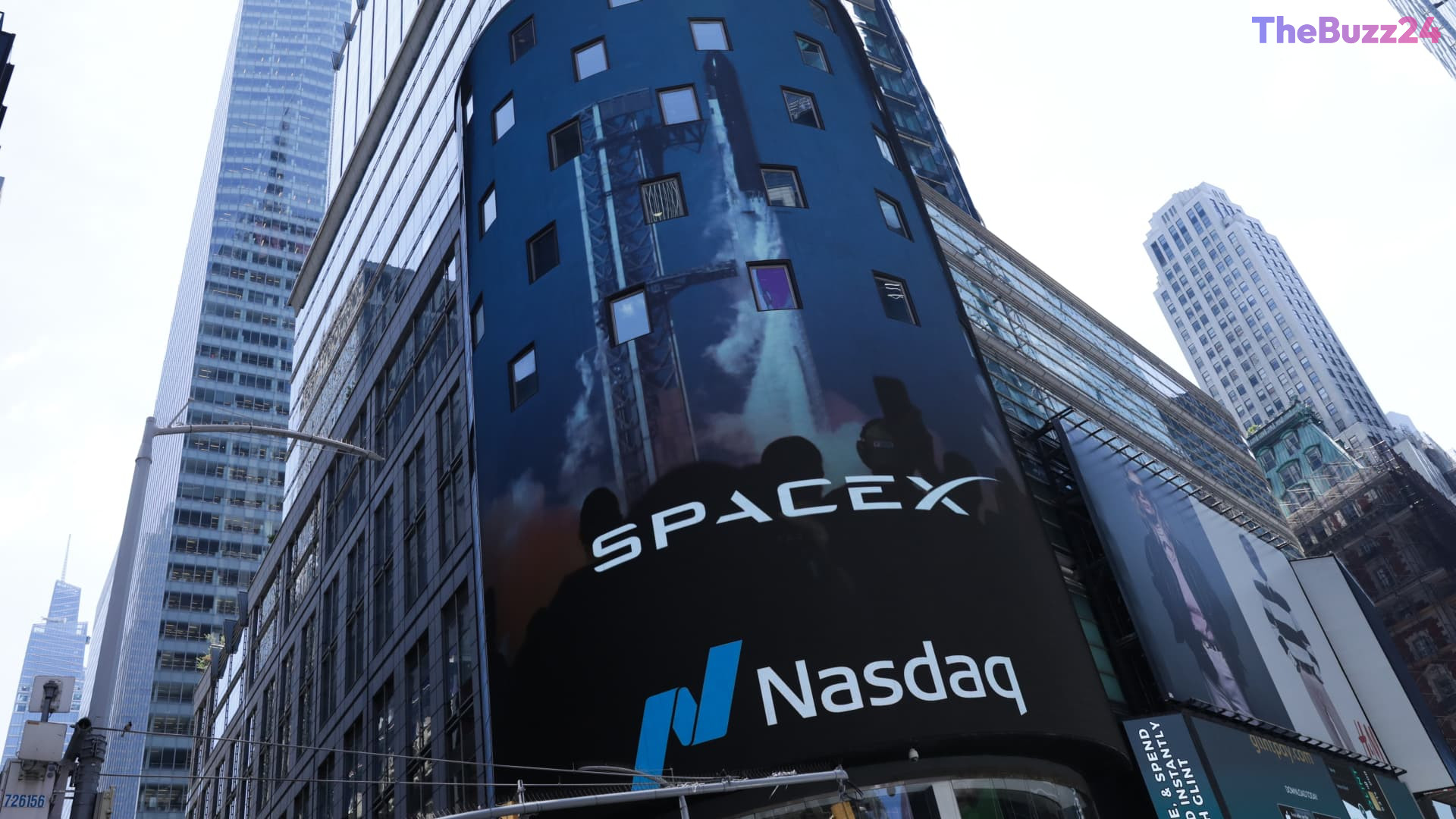
Following a high-profile debut on the Nasdaq, SpaceX has captured the attention of the global investment community. The company, led by Elon Musk, saw its shares surge significantly on their first day of trading, closing with a market capitalization of $2.1 trillion. This rapid ascent has sparked intense debate regarding whether the company’s current valuation is justified by its financial performance or if it represents a speculative bet on the future of space exploration.
Market analysts suggest that investors are largely ignoring traditional metrics like near-term profits and cash flow in favor of the company’s long-term vision. By prioritizing the potential of future projects over immediate earnings, shareholders are signaling a belief that SpaceX’s influence on the aerospace industry will grow exponentially over the coming decades. This perspective frames the company not as a standard equity, but as a foundational play on the future of human spaceflight and satellite infrastructure.
For those considering an entry, experts advise that volatility is to be expected. Rather than reacting to short-term price fluctuations, investors are encouraged to view any potential pullbacks as strategic buying opportunities. The success of the initial public offering, managed by major financial institutions, has been noted for its stability, successfully balancing institutional interest with retail demand to avoid excessive early-day volatility.
Key Takeaways
- SpaceX's market debut reached a $2.1 trillion valuation, driven by long-term growth expectations rather than current earnings.
- Investors are advised to treat SpaceX as a long-term hold, viewing price dips as opportunities to accumulate shares.
- The IPO was characterized by stable management from lead underwriters, preventing the chaotic price swings often seen in high-profile tech debuts.
Editor’s Analysis & Impact
The public listing of SpaceX represents a paradigm shift in how the market values ‘frontier’ technology companies. By achieving a multi-trillion dollar valuation without traditional profitability, SpaceX is effectively being priced as a utility for the future of the space economy. This mirrors the early trajectories of other transformative tech giants that prioritized market dominance and infrastructure development over quarterly dividends. The broader implication is a potential ‘space race’ in the capital markets, where investors are increasingly willing to fund capital-intensive, long-horizon projects. However, this also introduces significant risk; should the company face major technical setbacks or regulatory hurdles, the lack of a traditional financial safety net could lead to sharp corrections. The long-term outlook remains tied to the successful execution of Musk’s ambitious roadmap, including interplanetary travel and global satellite connectivity.
Frequently Asked Questions
Q: Why is SpaceX valued so highly despite concerns over current financial performance?
A: The valuation is driven by investor confidence in the company's long-term vision for space exploration and its potential to dominate future aerospace markets, rather than its current quarterly earnings.
Q: Should investors be worried about the volatility of SpaceX stock?
A: While volatility is expected, market observers suggest that long-term investors should view price pullbacks as opportunities to increase their position, provided they believe in the company's multi-year growth trajectory.
AI Disclosure: This article is based on verified data and official reports. Our Team and AI have cross-referenced every financial detail with primary sources to ensure total accuracy.
More from this Category