Israel Shifts Strategy: Diplomatic Channels Opened with Lebanon Amid Ongoing Military Campaign
Israeli Prime Minister Benjamin Netanyahu has authorized the establishment of direct diplomatic communication with Lebanese officials. This strategic move aims to address regional instability by pursuing the disarmament of Hezbollah and creating a sustainable framework for peace. While the move signals a potential shift in approach, the Israeli government has made it clear that military operations will persist, rejecting any immediate calls for a ceasefire.
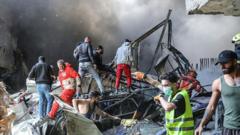
This diplomatic development comes ahead of a significant high-level summit scheduled for next week in Washington. Despite the opening of communication lines, the situation on the ground remains extremely volatile. Israeli forces continue to conduct airstrikes targeting Hezbollah infrastructure, which has led to frequent evacuation orders for civilians in areas near Beirut, including those close to major medical centers.
The human cost of the six-week conflict has become increasingly severe, with reports indicating that over 1.2 million people have been forced from their homes and the death toll has exceeded 1,800. In response to the instability, the Lebanese cabinet has instructed security forces to crack down on unauthorized weaponry within the capital. The success of these new diplomatic efforts remains uncertain as Lebanon struggles to balance internal pressures with the realities of active combat.
Key Takeaways
- Israel has authorized direct diplomatic engagement with Lebanon to negotiate Hezbollah's disarmament.
- Military operations and airstrikes against Hezbollah infrastructure will continue despite the new diplomatic outreach.
- The conflict has resulted in a massive humanitarian crisis, displacing over 1.2 million people.
Editor’s Analysis & Impact
The decision to pursue a dual-track strategy—combining intense military pressure with high-level diplomacy—indicates an attempt to leverage battlefield advantages to secure a more favorable political outcome. By engaging in discussions in Washington, Israel is likely seeking international legitimacy for a post-conflict security architecture that effectively neutralizes Hezbollah’s influence. However, the simultaneous continuation of airstrikes and the rejection of a ceasefire create a high-risk environment where diplomatic gestures may be viewed with skepticism. The ultimate success of this pivot depends on the Lebanese government’s ability to assert authority over non-state actors and whether Hezbollah is willing to concede its military status. Failure to find common ground could lead to a protracted conflict with even greater regional instability.
Frequently Asked Questions
Q: Will the new diplomatic channels lead to an immediate ceasefire?
A: No, the Israeli government has explicitly stated that military operations will continue and has rejected calls for an immediate cessation of hostilities.
Q: What are the main objectives of the talks with Lebanon?
A: The primary goals are to facilitate the disarmament of Hezbollah and to establish a long-term framework for peace in the region.
AI Disclosure: This article is based on verified data and official reports. Our Team and AI have cross-referenced every financial detail with primary sources to ensure total accuracy.
More from this Category