Italy’s Top Diplomat Hit by Cyberattack, Personal Data Exposed Over Ukraine Stance
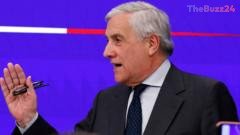
Italy’s Foreign Minister, Antonio Tajani, has revealed that his personal information has been compromised and published online by “cyber-criminals.” The senior diplomat, who also serves as Deputy Prime Minister, stated that the attack is a direct consequence of Italy’s unwavering support for Ukraine in its conflict with Russia. Tajani disclosed the incident on the social media platform X, detailing how his data has been circulating on the dark web for several days.
The cyber-criminals are reportedly not only publishing his existing personal details but are actively seeking additional information, thereby escalating the risk of new threats and intimidation against him and his family. Tajani emphasized that defending the freedom and independence of a sovereign state like Ukraine is perceived as a dangerous act by these malicious entities, making Italy’s clear stance the political motivation behind the targeting. The dark web, a clandestine segment of the internet inaccessible through standard search engines, is often utilized for illicit activities due to its anonymity.
In response to the breach, Prime Minister Giorgia Meloni swiftly offered her full solidarity to Tajani, attributing the incident to pro-Russian hackers. Meloni condemned the sale of confidential information belonging to institutional representatives, calling it a matter of grave concern that demands resolute action. She also raised alarms about the dissemination of “false images,” which she indicated were being shared by members of Italy’s opposition, though specific details about these images were not provided.
The Italian government has consistently provided both humanitarian and military aid to Ukraine since the onset of the war. Tajani confirmed that authorities are treating these threats with the utmost seriousness, underscoring the broader implications of such cyber-attacks on national security and political figures. Moscow has yet to issue a public statement regarding the accusations.
Key Takeaways
- Italian Foreign Minister Antonio Tajani's personal data was leaked on the dark web by "cyber-criminals."
- The cyberattack is attributed to Italy's strong support for Ukraine, with Prime Minister Meloni blaming pro-Russian hackers.
- The incident highlights the growing threat of cyber warfare targeting political figures and national security in geopolitical conflicts.
Editor’s Analysis & Impact
This incident underscores the escalating role of cyber warfare in contemporary geopolitical conflicts. The targeting of a high-profile government official like Antonio Tajani signals a worrying trend where personal data becomes a weapon to intimidate and influence national policies. For the cybersecurity industry, this event highlights the urgent need for more robust protective measures for public figures and critical infrastructure, potentially driving increased investment in advanced threat detection and data protection solutions. Looking ahead, we can anticipate a continued rise in state-sponsored cyberattacks aimed at disrupting political stability and sowing discord. The broader implications include a heightened risk of disinformation campaigns, as evidenced by the mention of “false images,” and a significant challenge to the privacy and security of individuals in public service. Nations will be compelled to fortify their digital defenses and enhance international cooperation to counter these evolving threats effectively.
Frequently Asked Questions
Q: What is the 'dark web'?
A: The dark web is a hidden part of the internet that is not indexed by conventional search engines and requires specific software, like Tor, to access. It is often associated with anonymity and illicit activities, including the trading of stolen data.
Q: Why was Minister Tajani targeted?
A: Minister Tajani stated that he was targeted due to Italy's strong political stance and unwavering support for Ukraine in its war against Russia. Prime Minister Giorgia Meloni echoed this sentiment, attributing the attack to pro-Russian hackers.
AI Disclosure: This article is based on verified data and official reports. Our Team and AI have cross-referenced every financial detail with primary sources to ensure total accuracy.
More from this Category