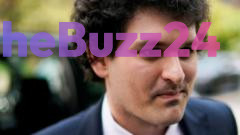
Jailed FTX Founder Sam Bankman-Fried Seeks Presidential Pardon
Sam Bankman-Fried, the disgraced founder of the now-defunct cryptocurrency exchange FTX, has reportedly filed an application for a presidential pardon from Donald Trump. Currently serving a 25-year sentence after being convicted on multiple federal fraud charges stemming from the collapse of FTX and its associated trading firm, Alameda Research, the 34-year-old former billionaire is seeking clemency just two years into his incarceration.
The application, submitted to the Department of Justice, specifically requests a “pardon after completion of sentence.” This type of pardon, if granted, would legally forgive his convictions once his prison term is served, distinguishing it from a commutation, which would shorten his existing sentence. Bankman-Fried has consistently maintained his innocence and is actively appealing his conviction and sentence. Representatives for the White House and Bankman-Fried’s legal team have not commented on the matter.
Bankman-Fried’s request joins over 20,000 other pardon and commutation applications currently on file with the Office of the Pardon Attorney. While former President Trump has a history of issuing numerous pardons, including for individuals involved in the January 6th Capitol events, former staff, and even the founder of another prominent crypto platform, Binance, he previously indicated earlier this year that he would not consider pardoning Bankman-Fried. The FTX empire, once a titan in the digital currency world, imploded in 2022 amidst allegations that Bankman-Fried had illicitly used customer deposits for personal investments and to cover debts.
Key Takeaways
- Sam Bankman-Fried, founder of FTX, has applied for a presidential pardon from Donald Trump while serving a 25-year fraud sentence.
- The application is for a "pardon after completion of sentence," which would legally forgive his crimes post-imprisonment, distinct from a sentence commutation.
- Despite Trump's history of pardons, he previously indicated he would not pardon Bankman-Fried, whose appeal against his conviction is ongoing.
Editor’s Analysis & Impact
This development introduces a significant political dimension to the ongoing saga of Sam Bankman-Fried and the FTX collapse. While a pardon “after completion of sentence” offers no immediate relief from his current imprisonment, it could significantly impact his post-release legal standing and public perception. For the cryptocurrency industry, this serves as another reminder of the regulatory and legal challenges it faces, particularly concerning accountability for fraudulent activities. The potential involvement of a former president in such a high-profile case could also influence future discussions around executive clemency and the political implications of financial crimes. The market impact is likely minimal in the short term, but the broader narrative reinforces the need for robust governance and investor protection within the digital asset space.
Frequently Asked Questions
Q: What is the difference between a pardon and a commutation?
A: A pardon legally forgives a crime, often after a sentence is served, restoring certain rights. A commutation reduces the length of a criminal sentence currently being served. Bankman-Fried is seeking a pardon, not a commutation.
Q: Why is Sam Bankman-Fried seeking a pardon from Donald Trump?
A: Bankman-Fried is currently serving a 25-year sentence for fraud related to the collapse of FTX and Alameda Research. Seeking a pardon is a legal avenue to potentially have his convictions forgiven, though in this case, it would be after his sentence is completed.
Q: Has Donald Trump previously pardoned individuals involved in cryptocurrency-related cases?
A: Yes, former President Trump has issued pardons for individuals involved in various cases, including the founder of another prominent cryptocurrency platform, Binance, among others. However, he previously stated he would not pardon Bankman-Fried.
AI Disclosure: This article is based on verified data and official reports. Our Team and AI have cross-referenced every financial detail with primary sources to ensure total accuracy.
More from this Category