James Webb Telescope Unveils the Complex Lifecycle of Stars in Orion A
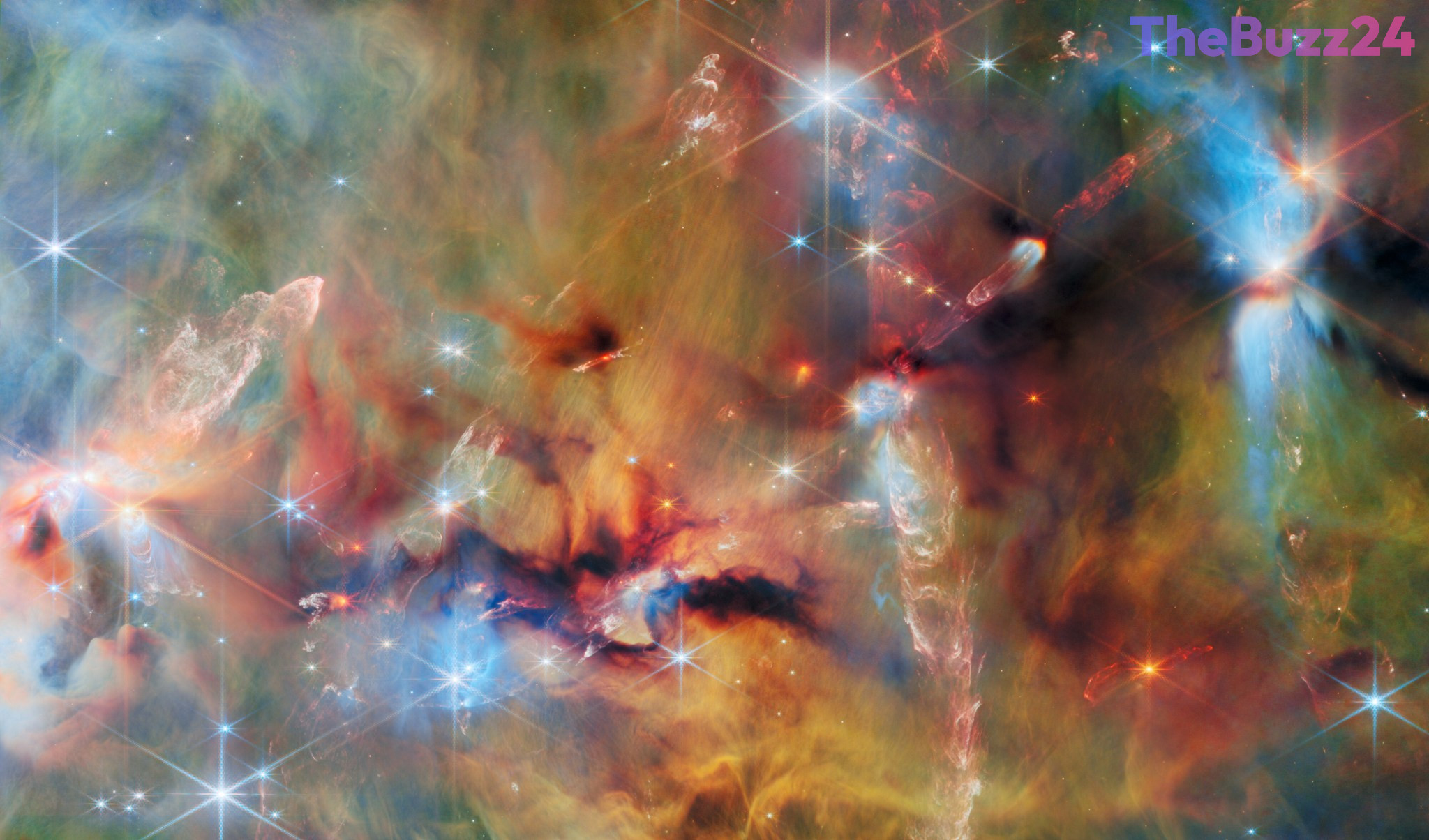
The James Webb Space Telescope has captured a breathtaking new view of the Orion A molecular cloud, providing astronomers with an unprecedented look at the chaotic and beautiful process of star formation. Spanning 150 light-years, this massive filament of cold gas and dust serves as a cosmic nursery, housing stellar objects at every stage of their development.
Within this expansive region, researchers can observe the entire lifecycle of stars, ranging from the earliest stellar embryos still embedded in their natal cocoons to the formation of protoplanetary discs. The image also highlights newly-minted pre-main sequence stars, offering a rare glimpse into the mechanisms that govern how stars are born and how planetary systems begin to take shape.
This observation underscores the immense power of the James Webb Space Telescope to peer through dense clouds of interstellar dust that have historically obscured our view of star-forming regions. By analyzing these high-resolution details, scientists hope to gain a deeper understanding of the environmental factors that influence stellar evolution and the eventual formation of solar systems similar to our own.
Key Takeaways
- The James Webb Space Telescope captured a high-resolution image of the Orion A molecular cloud, a major site for star formation.
- The region spans 150 light-years and contains stars at every stage of development, from embryos to pre-main sequence stars.
- The data helps astronomers understand the complex processes of stellar birth and the formation of protoplanetary discs.
Editor’s Analysis & Impact
The release of this imagery represents a significant milestone in observational astronomy, demonstrating the James Webb Space Telescope’s continued ability to resolve fine structures within dense, dusty environments. By capturing the full spectrum of star formation in a single field of view, researchers can conduct comparative studies that were previously impossible with older infrared or optical telescopes. This has profound implications for our understanding of galactic evolution and the frequency of planetary system formation throughout the universe. As we continue to analyze these high-fidelity datasets, the industry expects a surge in new models regarding how molecular clouds collapse and how feedback from young stars shapes their surrounding environments. This discovery not only enriches our scientific archives but also serves as a vital tool for future missions aiming to characterize exoplanetary systems.
Frequently Asked Questions
Q: What is the Orion A molecular cloud?
A: Orion A is a massive, long filament of cold gas and dust located beyond the Orion Nebula, known for being a highly active region of star formation.
Q: Why is this image significant for astronomers?
A: It allows scientists to observe the entire lifecycle of stars—from embryos to pre-main sequence stars—in one location, providing critical data on how stars and planetary systems are born.
AI Disclosure: This article is based on verified data and official reports. Our Team and AI have cross-referenced every financial detail with primary sources to ensure total accuracy.
More from this Category