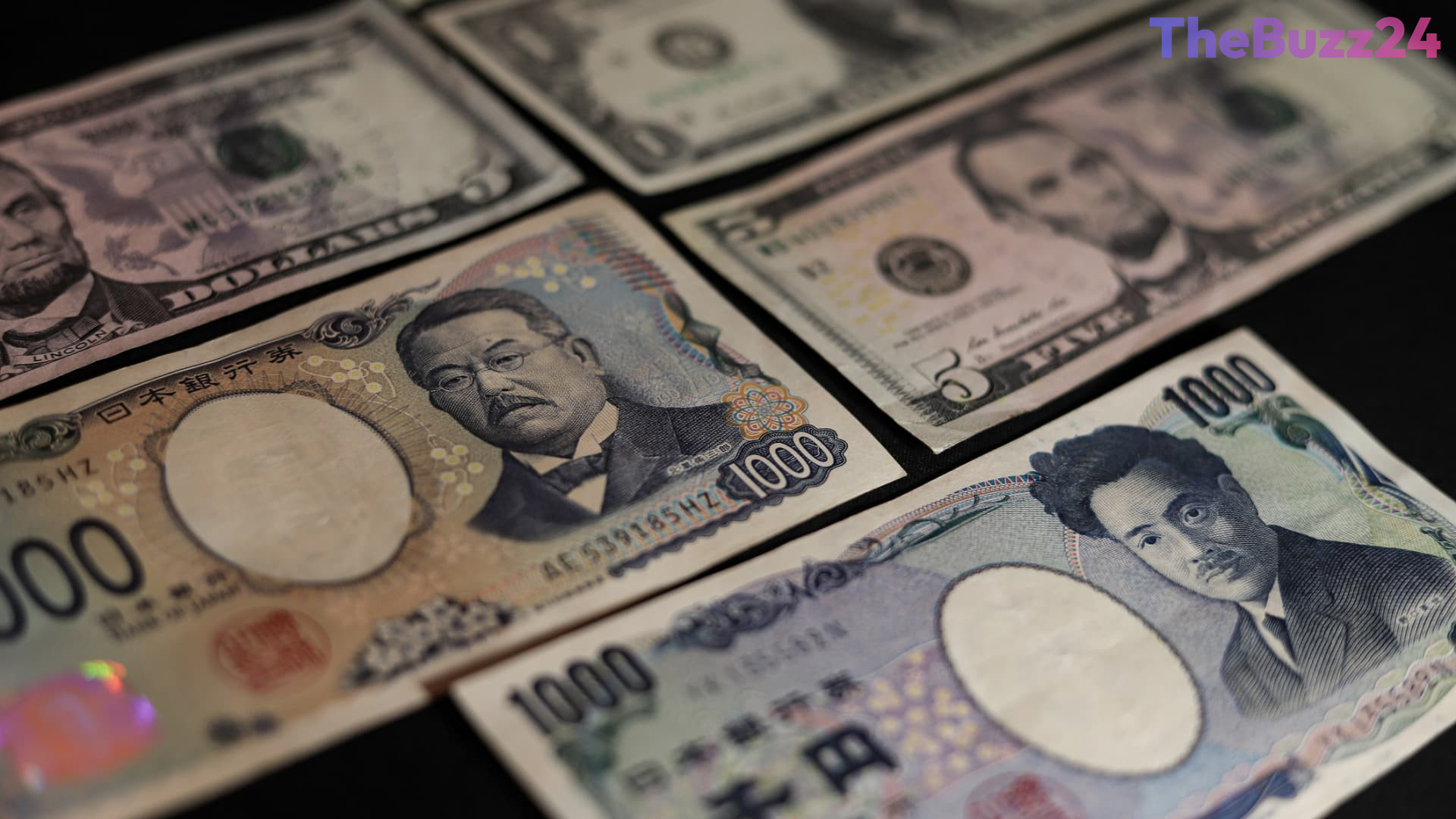
Japanese Yen Plummets to Near 40-Year Low as Intervention Fears Mount
The Japanese yen experienced a significant decline on Thursday, sliding past the 161 mark against the U.S. dollar. This drop brings the currency to its weakest level since July 2024, placing it precariously close to the 161.96 threshold—a level not seen since 1986. The rapid depreciation has reignited intense speculation regarding potential government intervention to stabilize the currency.
Despite previous efforts by the Japanese finance ministry, which included over $70 billion in market interventions earlier this year, the yen continues to face downward pressure. Even a recent interest rate hike by the Bank of Japan, intended to raise borrowing costs to levels unseen since 1995, has failed to provide a sustained floor for the currency. Finance officials have reiterated their readiness to take decisive action against what they describe as speculative market movements.
Market analysts suggest that the yen’s weakness is driven by structural factors, most notably the persistent gap between U.S. Treasury yields and Japanese interest rates. While the weakened yen has historically benefited Japan’s export-heavy economy, the current trend is fueling concerns over imported inflation and the diminishing purchasing power of domestic households. As the currency nears historic lows, the Bank of Japan remains under pressure to balance economic growth objectives with the need to maintain currency stability.
Key Takeaways
- The Japanese yen hit 161.80 per dollar, nearing its weakest point since 1986.
- Japanese officials have issued fresh warnings of potential market intervention to curb speculative trading.
- Structural factors, including high U.S. Treasury yields and domestic monetary policy, continue to outweigh previous government efforts to strengthen the yen.
Editor’s Analysis & Impact
The persistent weakness of the yen highlights a fundamental dilemma for Japanese policymakers: the trade-off between supporting export-driven growth and managing the inflationary pressures of a devalued currency. The failure of previous interventions suggests that market forces, driven by the interest rate differential between the U.S. and Japan, are currently too powerful for direct market intervention to overcome. Moving forward, the Bank of Japan faces a narrow path; further aggressive rate hikes could stabilize the currency but risk stifling the fragile domestic economic recovery. Investors should expect continued volatility as the market tests the government’s resolve, with the 162 level serving as a critical psychological and technical barrier that could trigger a more forceful response from Tokyo.
Frequently Asked Questions
Q: Why is the Japanese yen falling against the U.S. dollar?
A: The decline is primarily driven by the significant interest rate gap between the U.S., where yields remain high, and Japan, where monetary policy has remained relatively accommodative.
Q: What happens if the yen crosses the 161.96 threshold?
A: Crossing this level would mark the yen's weakest valuation since 1986, a milestone that would likely force the Japanese government to consider more aggressive or 'decisive' intervention strategies to prevent further rapid depreciation.
AI Disclosure: This article is based on verified data and official reports. Our Team and AI have cross-referenced every financial detail with primary sources to ensure total accuracy.
More from this Category