JD Vance Outlines Strategy of ‘Economic Warfare’ to Pressure Iran
Vice President JD Vance has characterized the current U.S. approach toward Iran as a ‘delicate dance,’ emphasizing that economic pressure remains the most effective tool for achieving Washington’s geopolitical objectives. Vance’s comments follow President Donald Trump’s announcement of a campaign described as the ‘most crushing economic operation ever taken against any country,’ aimed at forcing Tehran to choose between economic isolation and improved relations with the West.
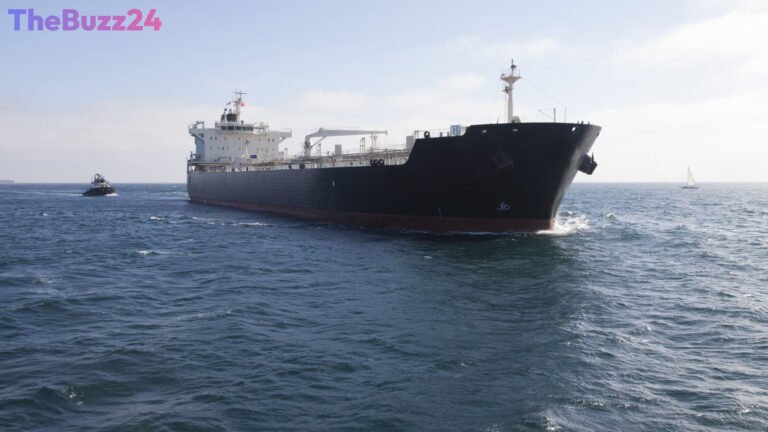
Central to this strategy is the management of energy flows through the Strait of Hormuz. Vance claimed that U.S. military efforts have successfully facilitated the movement of oil and gas through the region, which he suggests has provided some relief to American consumers at the pump. However, this assertion contrasts with recent trade intelligence data, which indicates that ship traffic through the Strait remains significantly lower than pre-conflict levels, with daily transits currently a fraction of the historical average of 130 ships.
In response to the escalating sanctions, Iranian officials have begun calling for regional cooperation to circumvent what they describe as ‘cruel’ measures. Iranian parliament speaker Mohammad Baqer Qalibaf recently urged other Muslim nations to develop a unified plan to overcome the financial restrictions. Meanwhile, the U.S. administration has signaled that it will impose severe penalties on any nation found assisting Tehran in evading these sanctions, framing the situation as an unprecedented scale of economic warfare.
Key Takeaways
- The U.S. administration is implementing a strategy of maximum economic pressure, which officials describe as 'economic warfare' against Iran.
- Vice President JD Vance claims military intervention has helped stabilize energy flows, though trade data shows ship traffic in the Strait of Hormuz remains well below pre-war levels.
- Iran is actively seeking regional alliances to mitigate the impact of U.S. sanctions, while the U.S. threatens secondary penalties for countries that assist Tehran.
Editor’s Analysis & Impact
The administration’s reliance on economic statecraft as a primary tool of foreign policy signals a shift toward aggressive financial containment rather than traditional diplomatic engagement. By framing the conflict as a choice between economic strangulation and Western integration, the U.S. is attempting to force a strategic pivot from Tehran. However, the discrepancy between official claims regarding energy transit and actual maritime data suggests that the administration faces significant challenges in maintaining global energy price stability. The broader implication is a potential long-term fracturing of global trade routes and the creation of alternative economic blocs as sanctioned nations seek to bypass the U.S. dollar-denominated financial system. The success of this policy will likely hinge on whether the U.S. can effectively enforce secondary sanctions without alienating key regional partners who rely on Iranian energy or trade.
Frequently Asked Questions
Q: What is the primary goal of the current U.S. economic strategy toward Iran?
A: The goal is to apply maximum economic pressure to force Iran to choose between continued economic isolation and establishing a better relationship with the West.
Q: How does the U.S. plan to enforce these sanctions on other countries?
A: The U.S. has threatened to impose severe financial penalties on any nation that assists Iran in evading the newly implemented sanctions.
AI Disclosure: This article is based on verified data and official reports. Our Team and AI have cross-referenced every financial detail with primary sources to ensure total accuracy.
More from this Category