Journalist Investigating Drug Cartels Fatally Shot in Costa Rica Ambush
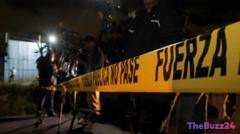
A prominent Costa Rican journalist, Camilo Rodríguez, known for his investigative work into alleged ties between politicians and drug trafficking rings, was tragically killed in a brazen daylight ambush. The 50-year-old reporter was traveling north of the capital, San José, when assailants on a motorcycle attacked him, resulting in his death.
Rodríguez had recently spoken out about receiving death threats, which he attributed to the powerful drug trafficking organizations he was exposing. His murder marks a grim milestone, being the first killing of a journalist in Costa Rica in over two decades. This incident occurs amidst a concerning rise in the presence of transnational criminal gangs within the country, which has contributed to an increase in its previously low homicide rates.
The Costa Rican Journalists’ Association has voiced strong condemnation, with its president, Yanancy Noguera, stating that evidence suggests the killing was an attempt to silence a critical voice shedding light on organized crime. Rodríguez, a seasoned journalist with a career spanning radio and print, had recently pivoted to social media, where he published videos naming public figures, including judges, business leaders, and politicians, whom he accused of corruption or links to criminal networks.
One of his recent videos alleged that the home of President Laura Fernández was built by a company with suspected ties to a criminal gang. While President Fernández vehemently denied any wrongdoing and had previously taken legal action against Rodríguez for defamation, she has now strongly condemned his murder, calling it an assault on freedom of expression and vowing to bring his killers to justice. The Attorney General’s office has also denounced the act, emphasizing the unacceptability of silencing journalists who report on drug trafficking and corruption in a democratic society.
Key Takeaways
- Investigative journalist Camilo Rodríguez was murdered in Costa Rica while reporting on drug trafficking and alleged political corruption.
- His killing is the first of a journalist in the country in over 20 years and highlights growing concerns about organized crime.
- The President has condemned the attack and vowed to punish the perpetrators, while press freedom advocates decry the silencing of a critical voice.
Editor’s Analysis & Impact
The assassination of Camilo Rodríguez is a stark reminder of the perilous environment faced by journalists globally, particularly those who challenge powerful criminal enterprises and their alleged political connections. This event underscores a worrying trend of increasing transnational crime impacting Central American nations and the vulnerability of democratic institutions to such threats. The murder is likely to intensify scrutiny on Costa Rica’s efforts to combat organized crime and protect its media professionals. It may also lead to calls for stronger legislative measures and international cooperation to safeguard investigative journalism and ensure accountability for those who seek to silence it.
Frequently Asked Questions
Q: Who was Camilo Rodríguez?
A: Camilo Rodríguez was a 50-year-old Costa Rican journalist known for his investigative reporting on alleged links between politicians and drug trafficking organizations in the country. He recently used social media to publish his findings.
Q: What is the significance of this murder in Costa Rica?
A: This is the first murder of a journalist in Costa Rica in over two decades. It highlights a concerning increase in the presence of transnational criminal gangs and the growing risks faced by those who report on organized crime and corruption in the region.
Q: What has been the reaction to the murder?
A: The President of Costa Rica has strongly condemned the attack, calling it a blow to freedom of expression and promising a full investigation to bring the murderers to justice. The Costa Rican Journalists' Association also condemned the act, viewing it as an attempt to silence a dissenting voice.
AI Disclosure: This article is based on verified data and official reports. Our Team and AI have cross-referenced every financial detail with primary sources to ensure total accuracy.
More from this Category