As Fed Leadership Shifts, Bond Markets Face Double Threat of Duration Risk and Tight Spreads
The global bond market is facing a critical juncture as investors prepare for a leadership transition at the Federal Reserve, with Kevin Warsh widely expected to succeed Jerome Powell as chair. This impending changing of the guard is prompting market participants to rapidly reassess the future trajectory of interest rates, inflation management, and monetary policy. While equity markets often capture the spotlight, fixed-income portfolios are poised to react first, with treasury yields, duration risk, and credit spreads highly sensitive to shifts in central bank communication and policy direction.
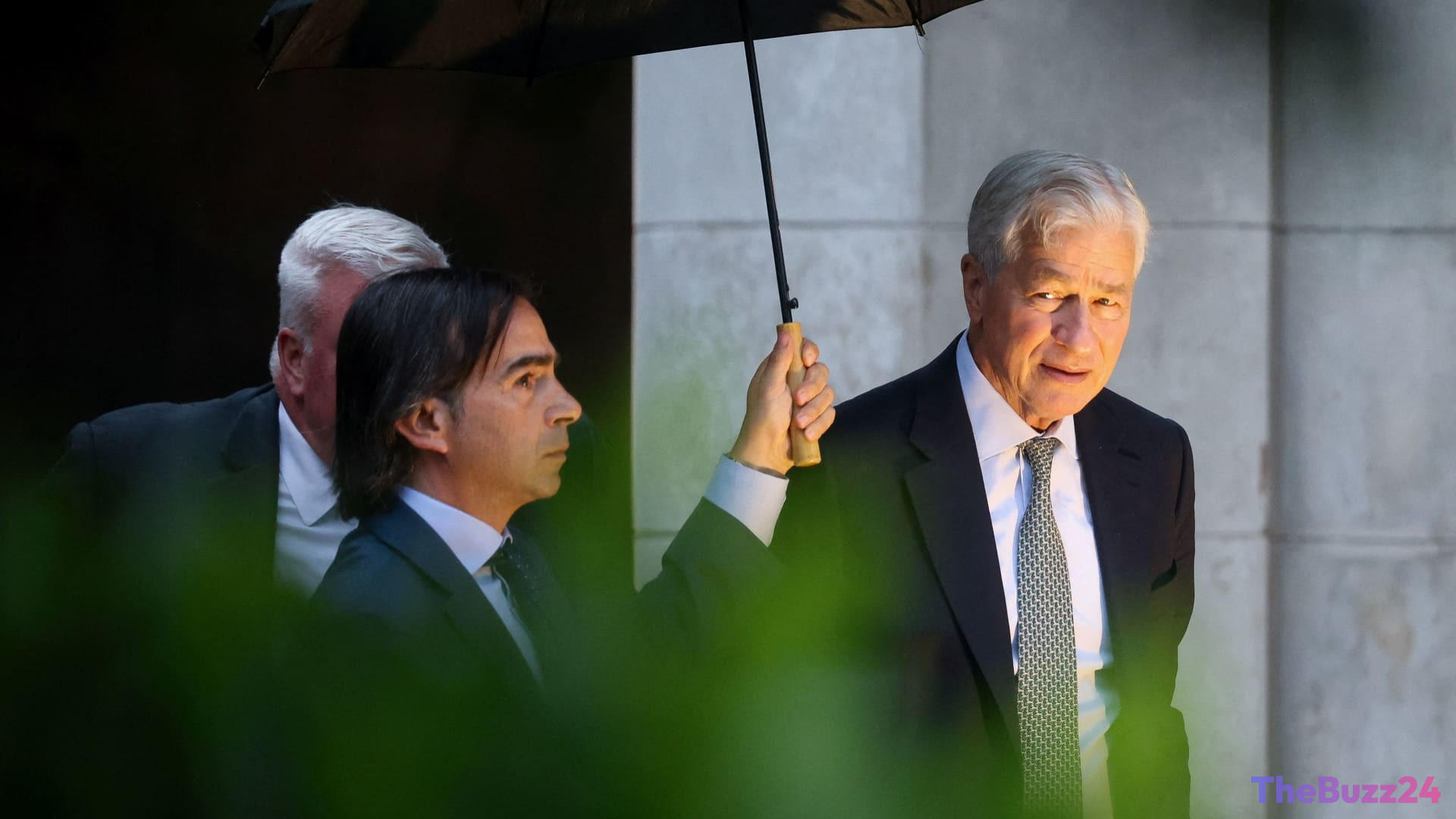
Adding to the uncertainty, JPMorgan Chase CEO Jamie Dimon recently issued a stark warning regarding the credit markets. Dimon noted that the financial system has gone without a credit recession for an extended period, suggesting that when a downturn inevitably occurs, the fallout could be far more severe than currently anticipated. Although Dimon did not highlight immediate distress signals, his cautionary stance aligns with growing concerns over market complacency, particularly as corporate credit spreads hover near multi-decade lows, offering investors minimal compensation for taking on default risk.
The macroeconomic backdrop remains complex, with the Federal Reserve recently holding interest rates steady in the 3.50% to 3.75% range. Inflation continues to run hot, with the personal consumption expenditures (PCE) index at 3.5% annually and core PCE at 3.2%—both well above the central bank’s 2% target. Geopolitical tensions, including rising oil prices driven by conflict, have further complicated the outlook, leading bond traders to bet against additional rate cuts in 2026. Outgoing Chair Jerome Powell has also indicated he plans to remain on the Fed’s Board of Governors even after his chairmanship ends, adding a layer of political complexity to the institution.
For fixed-income investors, the current environment presents two primary hazards: duration risk and tight credit spreads. Paisley Nardini, managing director at Simplify Asset Management, emphasized that investors heavily exposed to long-dated bonds in anticipation of rate cuts could face significant losses if those cuts fail to materialize. Furthermore, with the Bloomberg US Aggregate Bond Index returning just under 2% annually during Powell’s tenure—well below its historical 6.5% average—the pressure is mounting on portfolio managers to actively manage risk rather than succumb to market complacency.
Key Takeaways
- The anticipated transition of Federal Reserve leadership to Kevin Warsh is expected to trigger near-term volatility in treasury yields and credit spreads.
- JPMorgan CEO Jamie Dimon warned of a potentially severe credit recession, highlighting risks associated with historically tight corporate bond spreads.
- Persistent inflation and geopolitical pressures have led bond traders to scale back expectations for interest rate cuts in 2026.
Editor’s Analysis & Impact
The fixed-income market is entering a period of heightened vulnerability, driven by a rare convergence of leadership transition, sticky inflation, and geopolitical shocks. The expected appointment of Kevin Warsh as Fed Chair represents a pivotal moment; historically, central bank transitions amplify market sensitivity as traders attempt to decode the new leader’s policy bias. Meanwhile, the combination of tight credit spreads and high duration exposure leaves investors with very little margin for error. If inflation remains stubborn and the Fed maintains its ‘higher-for-longer’ stance, long-duration bondholders will face continued pain. Furthermore, Jamie Dimon’s warning about a credit recession underscores a structural risk: years of easy monetary policy may have masked underlying corporate vulnerabilities. As liquidity tightens, the gap between risk-free treasuries and corporate debt is bound to widen, potentially triggering a sharp correction in high-yield credit markets.
Frequently Asked Questions
Q: Why is the Federal Reserve leadership transition causing volatility in the bond market?
A: A change in Fed leadership often leads to shifts in communication style, policy priorities, and the pace of interest rate adjustments. Bond markets are highly sensitive to these nuances and tend to price in future policy directions faster than equity markets.
Q: What are the main risks currently facing bond investors?
A: The two primary risks are duration risk—where investors holding long-term bonds suffer losses if anticipated rate cuts are delayed—and tight credit spreads, which mean investors are not being adequately compensated for the risk of corporate defaults.
Q: What did Jamie Dimon warn about regarding the credit market?
A: The JPMorgan CEO warned that because the economy has not experienced a credit recession in a long time, the next downturn in the credit markets could be far more severe and damaging than market participants currently expect.
AI Disclosure: This article is based on verified data and official reports. Our Team and AI have cross-referenced every financial detail with primary sources to ensure total accuracy.
More from this Category