Judge Demands Written Assurance: DOJ’s Controversial ‘Anti-Weaponization Fund’ Faces Extended Blockade
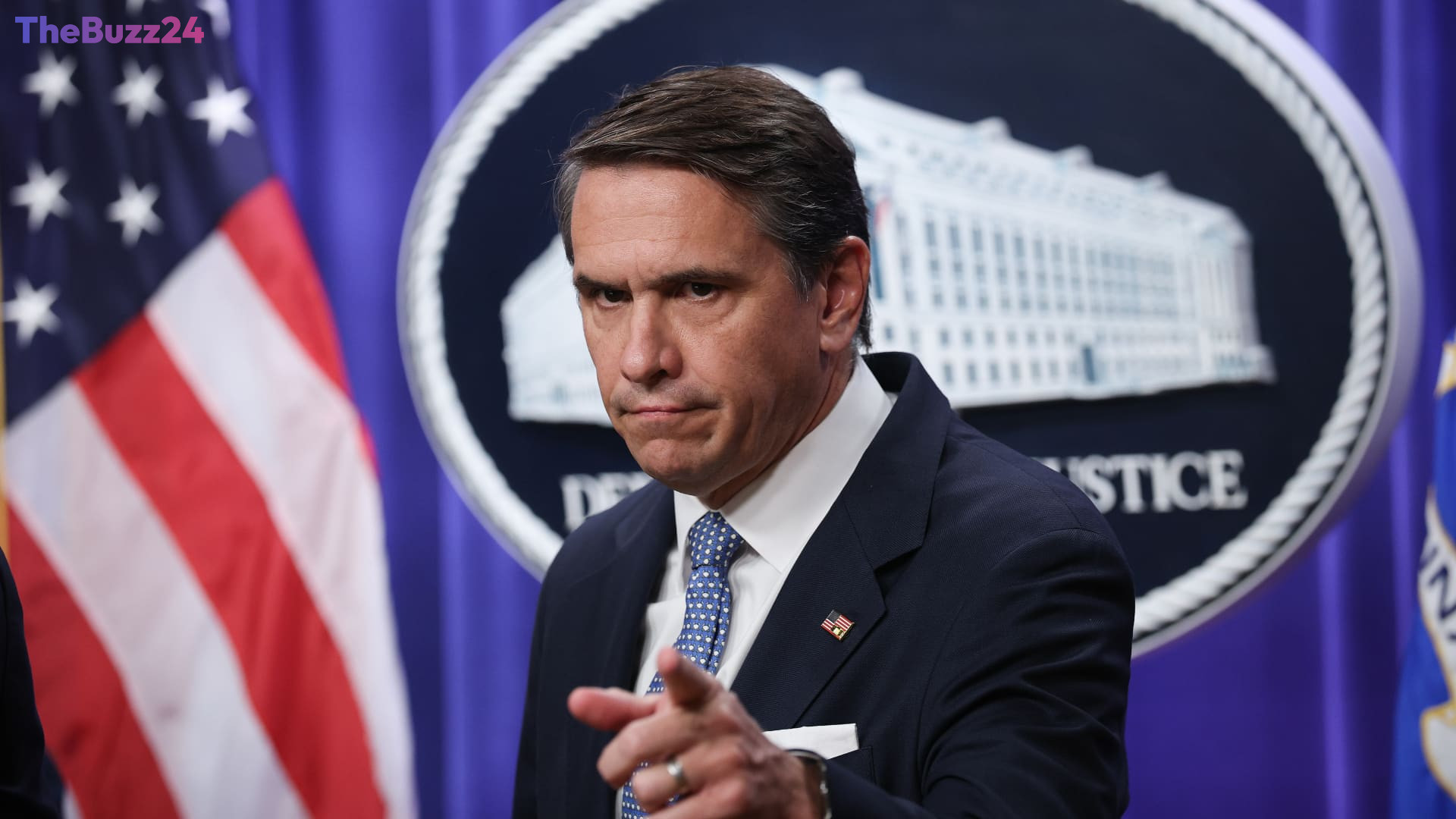
A federal judge in Virginia has extended a legal blockade against the Department of Justice’s controversial “Anti-Weaponization Fund,” demanding concrete written assurances that the initiative is permanently defunct. Judge Leonie Brinkema expressed skepticism over verbal claims made by Acting Attorney General Todd Blanche, stating that such assurances are insufficient to guarantee the fund’s termination.
Judge Brinkema has given the DOJ and the Treasury Department one week to submit sworn declarations confirming the fund will not proceed. This decision comes after Blanche testified to Congress that the DOJ has no intention of reviving the fund, which critics have decried as a potential “slush fund.” The judge’s initial injunction was set to expire, prompting the need for this extended order.
The $1.8 billion fund, established as part of a settlement following Donald Trump’s lawsuit against the IRS, was intended to compensate individuals allegedly targeted by prosecutorial overreach during the Biden administration. However, it drew sharp criticism from both Democrats and Republicans, particularly over concerns it could benefit individuals involved in the January 6th Capitol riot.
The DOJ had previously announced plans to drop the fund following significant backlash from Senate Republicans. However, Judge Brinkema highlighted that statements from former President Trump indicating a desire to move forward with the fund cast doubt on the DOJ’s current stance, necessitating the demand for written guarantees.
Key Takeaways
- A federal judge has extended a block on the DOJ's 'Anti-Weaponization Fund'.
- The judge requires written guarantees from the DOJ and Treasury that the fund is permanently canceled.
- The fund, intended for compensation related to alleged prosecutorial overreach, faced significant criticism and political opposition.
Editor’s Analysis & Impact
This judicial intervention underscores the intense scrutiny surrounding government funds and settlements, especially those with political undertones. The judge’s insistence on written declarations highlights a broader concern about accountability and transparency in public spending. The controversy surrounding the ‘Anti-Weaponization Fund’ reflects ongoing political divisions and the legal challenges that can arise from executive actions. The extended blockade could signal a more cautious approach from the DOJ regarding such initiatives in the future, potentially impacting how settlements are structured and communicated.
Frequently Asked Questions
Q: What was the 'Anti-Weaponization Fund' intended for?
A: The fund was established as part of a settlement related to Donald Trump's lawsuit against the IRS. It was intended to compensate individuals who claimed to be victims of prosecutorial overreach by the Department of Justice during the Biden administration.
Q: Why did the judge block the fund?
A: The judge blocked the fund because she required written, sworn declarations from the DOJ and Treasury Department confirming its permanent cancellation. She found verbal assurances from Acting Attorney General Todd Blanche to be insufficient, especially given conflicting statements from former President Trump.
Q: Who criticized the fund?
A: The fund faced criticism from both congressional Democrats and some Republicans. Concerns were raised that it could potentially be used to pay individuals convicted of crimes related to the January 6th Capitol riot.
AI Disclosure: This article is based on verified data and official reports. Our Team and AI have cross-referenced every financial detail with primary sources to ensure total accuracy.
More from this Category