Federal Jury Finds Live Nation and Ticketmaster Guilty of Maintaining Illegal Monopoly
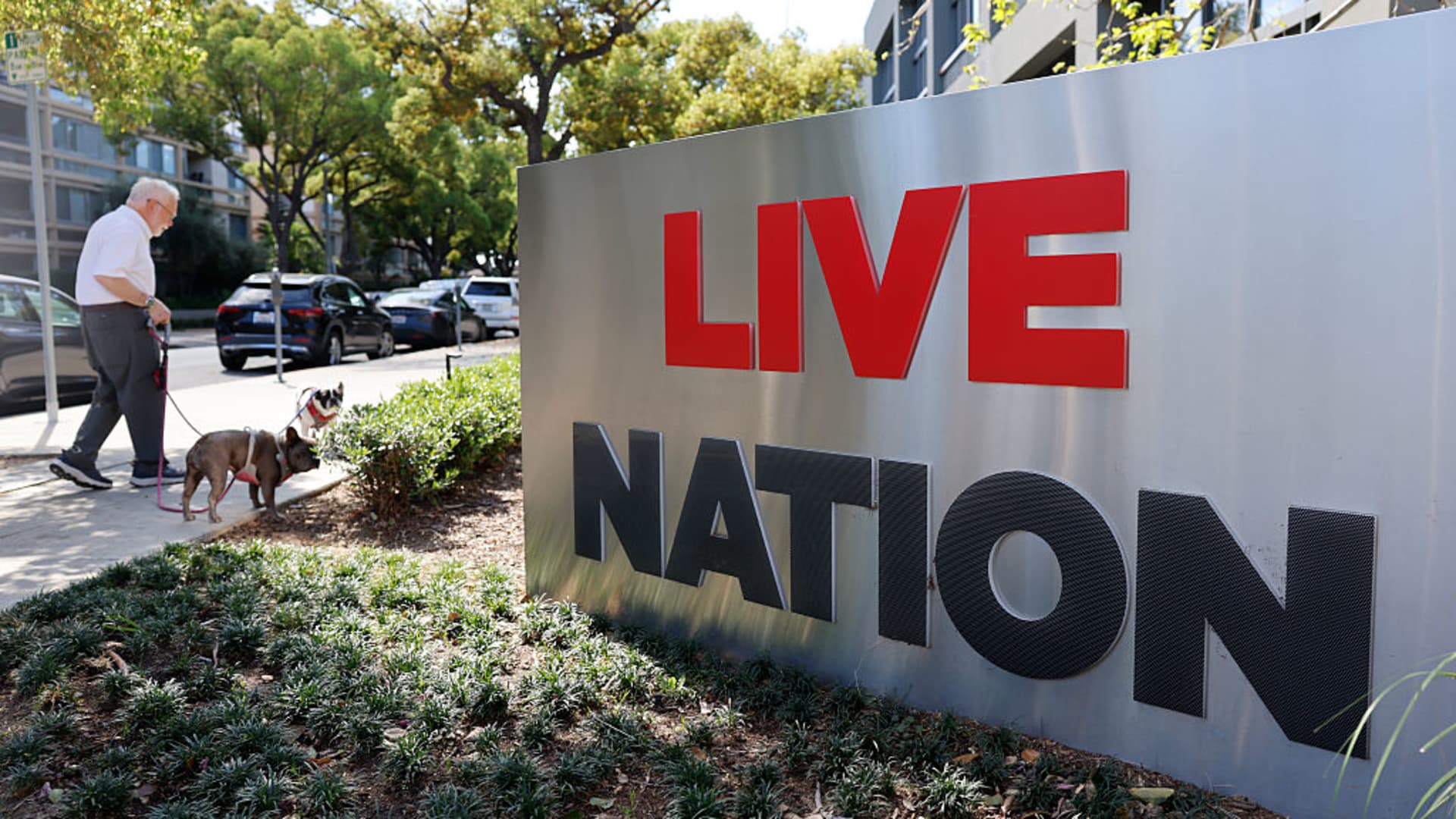
A Manhattan federal jury has reached a landmark verdict, ruling that Live Nation and its subsidiary, Ticketmaster, have engaged in illegal monopolistic practices within the live entertainment industry. The decision concludes a high-stakes civil trial brought forward by a coalition of U.S. states, which contended that the entertainment giant systematically stifled competition by forcing venues to exclusively use its ticketing platform.
During the trial, prosecutors presented evidence suggesting that Live Nation leveraged its control over hundreds of venues to artificially inflate ticket prices and restrict consumer options. The legal battle centered on the 2010 merger between the two entities, which critics argue created a dominant market force that left artists and fans with little recourse. The prosecution successfully argued that this structural dominance effectively locked out competitors and prevented a fair marketplace for live events.
Live Nation’s defense team argued that their market position was earned through superior operational efficiency rather than anticompetitive tactics. They maintained that pricing decisions are largely influenced by artists and venue operators. However, the jury was presented with internal company communications that appeared to contradict these claims, including messages where executives boasted about pricing strategies and disparaged the consumer base.
This verdict marks a significant turning point following years of public and regulatory scrutiny, particularly after the 2022 ticketing debacle involving Taylor Swift’s tour. While previous legal efforts resulted in minor settlements, this ruling represents a major judicial rebuke of the company’s business model. The outcome is expected to trigger further discussions regarding the future of ticketing regulations and the potential for structural changes within the live music industry.
Key Takeaways
- A Manhattan federal jury ruled that Live Nation and Ticketmaster maintained an illegal monopoly in the live events industry.
- The trial focused on claims that the company forced venues to use its ticketing services, leading to inflated prices and reduced consumer choice.
- Internal company communications presented during the trial undermined the defense's argument that their market dominance was solely the result of operational excellence.
Editor’s Analysis & Impact
The verdict against Live Nation and Ticketmaster serves as a watershed moment for antitrust enforcement in the digital age. By successfully challenging the structural dominance of a company that controls both the venue infrastructure and the ticketing gateway, the court has signaled a shift toward more aggressive oversight of vertically integrated entertainment conglomerates. The broader implications for the industry are profound; we are likely to see a push for legislative reform aimed at unbundling ticketing services from venue management. For the market, this creates significant uncertainty regarding Live Nation’s future operational structure. Investors should anticipate potential forced divestitures or strict regulatory caps on fees, which could fundamentally alter the company’s revenue model. Ultimately, this ruling empowers smaller ticketing competitors and may lead to a more fragmented, yet potentially more competitive, landscape for live event distribution.
Frequently Asked Questions
Q: What was the core argument against Live Nation and Ticketmaster?
A: The core argument was that the companies used their control over venues to force the use of Ticketmaster, thereby creating an illegal monopoly that inflated prices and limited competition.
Q: What happens next following the jury's verdict?
A: While the verdict establishes liability, the court will now move toward determining remedies, which could include structural changes to the business, fee regulations, or potential divestitures.
AI Disclosure: This article is based on verified data and official reports. Our Team and AI have cross-referenced every financial detail with primary sources to ensure total accuracy.
More from this Category