UK Government Shifts Focus to Energy Sovereignty Amid Global Instability
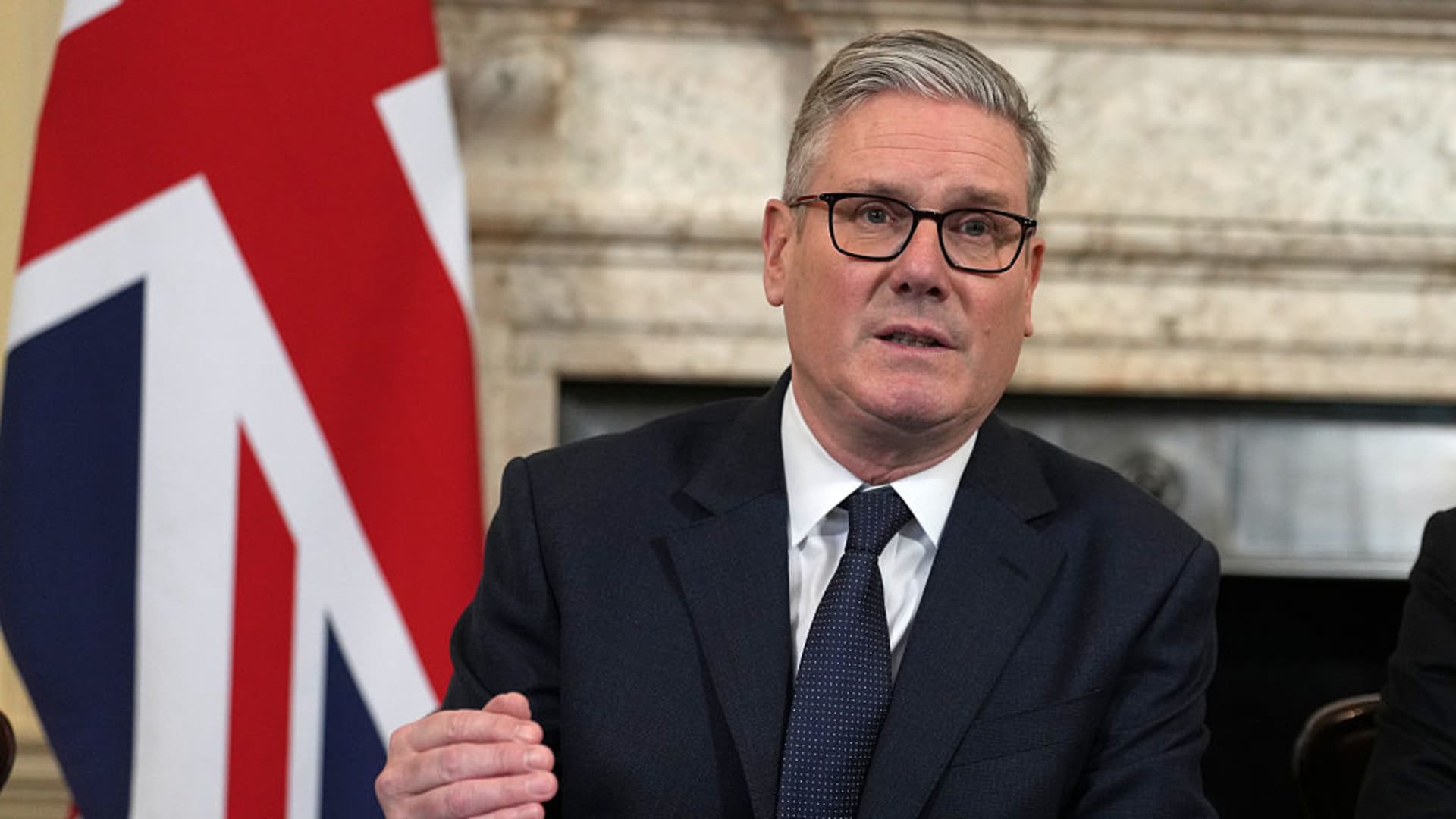
Prime Minister Keir Starmer has issued a stark warning regarding the United Kingdom’s vulnerability to shifting global power dynamics, highlighting that the nation’s energy security is increasingly precarious. Government assessments suggest that the volatility of international energy markets is complicating long-term economic planning for British households and businesses, as domestic costs remain tethered to the strategic maneuvers of foreign powers.
The fragility of global oil markets has been significantly exacerbated by ongoing regional conflicts. The persistent economic fallout from the war in Ukraine, coupled with heightened tensions between Iran and Israel, has fostered an environment of uncertainty that exerts direct inflationary pressure on the UK economy. In response, officials are actively developing strategies to insulate the country from these external shocks and mitigate further economic disruption.
Beyond immediate energy concerns, the government is closely monitoring the deteriorating security situation in the Middle East. Prime Minister Starmer has publicly condemned recent military actions in Lebanon, particularly those occurring during windows intended for ceasefires, labeling such strikes as unacceptable. These developments have raised alarms that the diplomatic framework for regional peace is being systematically undermined by external interference.
To address these interconnected challenges, the administration is prioritizing the fortification of national energy infrastructure. The objective is to establish a more resilient and independent energy policy capable of withstanding the pressures of high-stakes international diplomacy. As regional conflicts continue to evolve, the government faces the complex task of balancing domestic economic protection with the realities of global foreign policy.
Key Takeaways
- The UK is prioritizing the fortification of national energy infrastructure to reduce dependence on volatile global markets.
- Geopolitical conflicts in the Middle East and Eastern Europe are acting as primary drivers for domestic inflation and price instability.
- The government now views domestic economic stability as being inextricably linked to the unpredictable nature of international foreign policy.
Editor’s Analysis & Impact
The UK’s current energy strategy highlights a critical shift in how nations must approach resource security in an era of ‘polycrisis.’ By acknowledging that domestic economic health is tethered to foreign conflicts, the administration is signaling a move toward greater energy independence, likely through accelerated investment in renewables and domestic infrastructure. However, the transition period remains high-risk. The broader implication is that energy policy is no longer just a technical or environmental issue; it has become a central pillar of national security and defense. Investors and businesses should anticipate continued volatility in energy pricing, which will likely necessitate more aggressive hedging strategies and a pivot toward localized energy production to mitigate the risks posed by the erosion of global diplomatic frameworks.
Frequently Asked Questions
Q: Why is the UK's energy security currently at risk?
A: The UK's energy security is at risk because the nation remains heavily dependent on global energy markets, which are currently experiencing extreme volatility due to regional conflicts in the Middle East and Eastern Europe.
Q: What is the government's primary strategy to combat these energy threats?
A: The government is focusing on fortifying national energy infrastructure to create a more resilient and independent energy policy that can better withstand external geopolitical shocks.
AI Disclosure: This article is based on verified data and official reports. Our Team and AI have cross-referenced every financial detail with primary sources to ensure total accuracy.
More from this Category