Procedural and Political Roadblocks Stall Kevin Warsh’s Federal Reserve Nomination
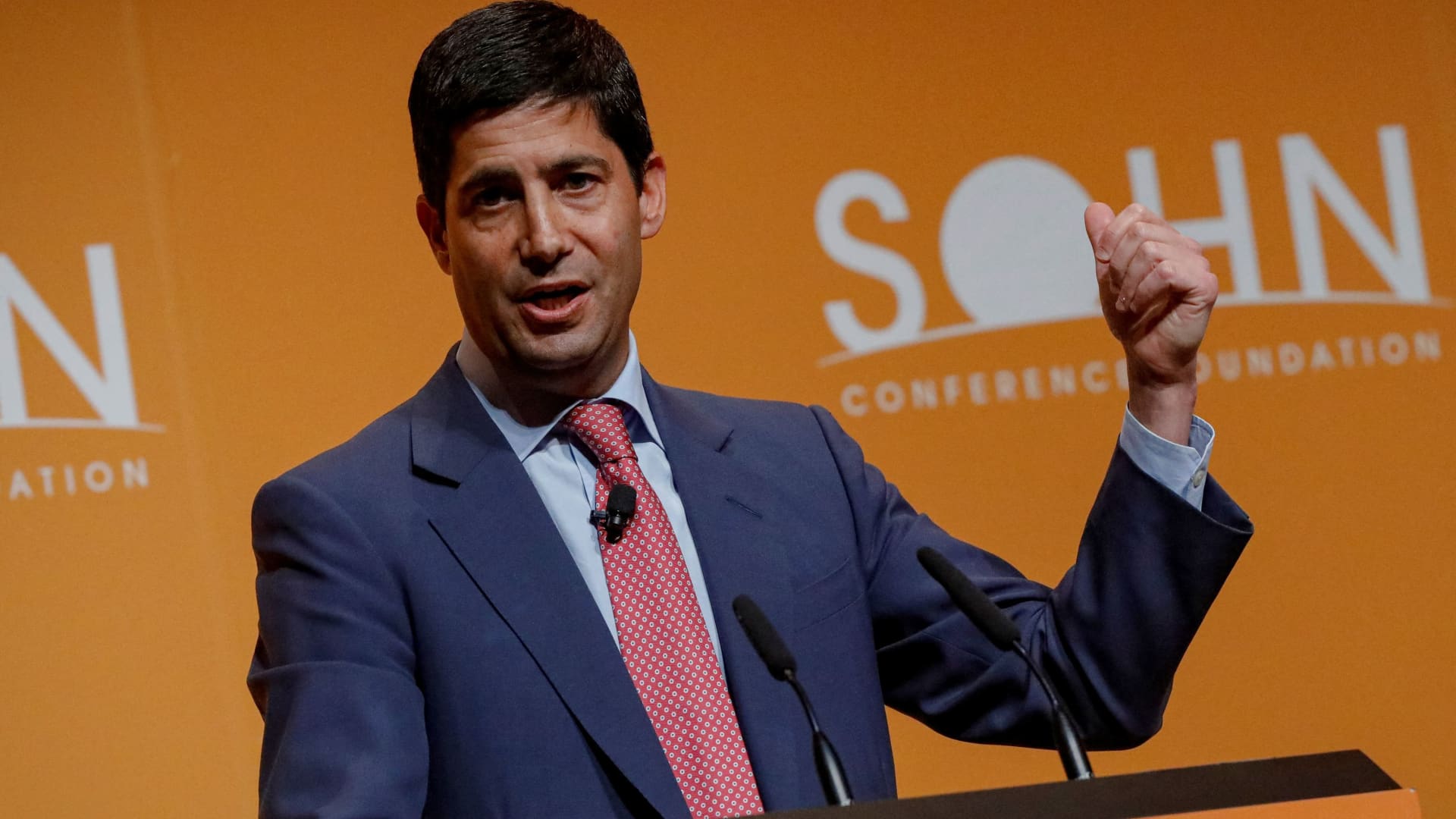
The path to confirming Kevin Warsh as the next leader of the Federal Reserve has encountered significant friction, forcing the Senate Banking Committee to postpone a confirmation hearing originally slated for April 16. The delay is primarily attributed to administrative hurdles regarding the submission of comprehensive financial disclosure documents. Given Warsh’s intricate financial background—which includes significant assets tied to his family connections and his previous work in private investment—the vetting process is proving to be a massive logistical undertaking. During his prior tenure at the central bank in 2006, his disclosures involved nearly 1,200 individual assets, and the current review of his updated portfolio is creating a bottleneck that threatens the administration’s timeline.
The administration is under pressure to secure a confirmation before current Chair Jerome Powell’s term expires on May 15. The complexity of the required filings means that any further administrative delays could push the confirmation process dangerously close to the transition deadline, potentially leaving the central bank without a confirmed successor. The committee must now navigate these voluminous records before a new hearing date can be set, adding uncertainty to the leadership transition.
Beyond the administrative paperwork, Warsh faces a stiff political challenge in the Senate. Senator Thom Tillis has publicly pledged to block all Federal Reserve nominees until the Department of Justice concludes its ongoing criminal investigation into Jerome Powell. Tillis and his supporters argue that the probe is a politically motivated attempt to compromise the central bank’s independence. With federal authorities indicating that the investigation remains active, the path to confirmation is increasingly precarious, raising concerns about the possibility of a leadership vacuum at the nation’s most powerful financial institution.
Key Takeaways
- The Senate Banking Committee delayed Kevin Warsh's confirmation hearing due to incomplete financial disclosure filings.
- Warsh's complex financial portfolio requires an exhaustive review that threatens the May 15 transition deadline.
- Senator Thom Tillis has vowed to block all Federal Reserve nominees until the DOJ investigation into Jerome Powell is resolved.
Editor’s Analysis & Impact
The delay in Kevin Warsh’s confirmation underscores the volatile intersection of bureaucratic vetting and high-stakes political maneuvering within the U.S. financial regulatory system. The Federal Reserve’s independence is a cornerstone of global market stability, and the ongoing DOJ investigation into Jerome Powell has introduced a destabilizing variable into the transition process. If the Senate remains deadlocked by Senator Tillis’s blockade, the central bank could face a leadership vacuum, which would likely rattle bond markets and complicate monetary policy decisions. Investors are closely monitoring these developments, as the uncertainty surrounding the next chair’s confirmation could lead to increased market volatility and a more cautious approach to interest rate expectations in the coming months. The situation highlights how administrative complexity can be weaponized in a polarized political environment.
Frequently Asked Questions
Q: Why was Kevin Warsh's Senate hearing delayed?
A: The hearing was postponed because the Senate Banking Committee did not receive the required financial disclosure documentation in time to meet mandatory procedural notice requirements.
Q: What is the primary political obstacle facing the nomination?
A: Senator Thom Tillis has pledged to block all Federal Reserve nominees until the Department of Justice concludes its criminal investigation into current Chair Jerome Powell.
AI Disclosure: This article is based on verified data and official reports. Our Team and AI have cross-referenced every financial detail with primary sources to ensure total accuracy.
More from this Category