Kevin Warsh Reverts to ‘Chairman’ Title at Federal Reserve
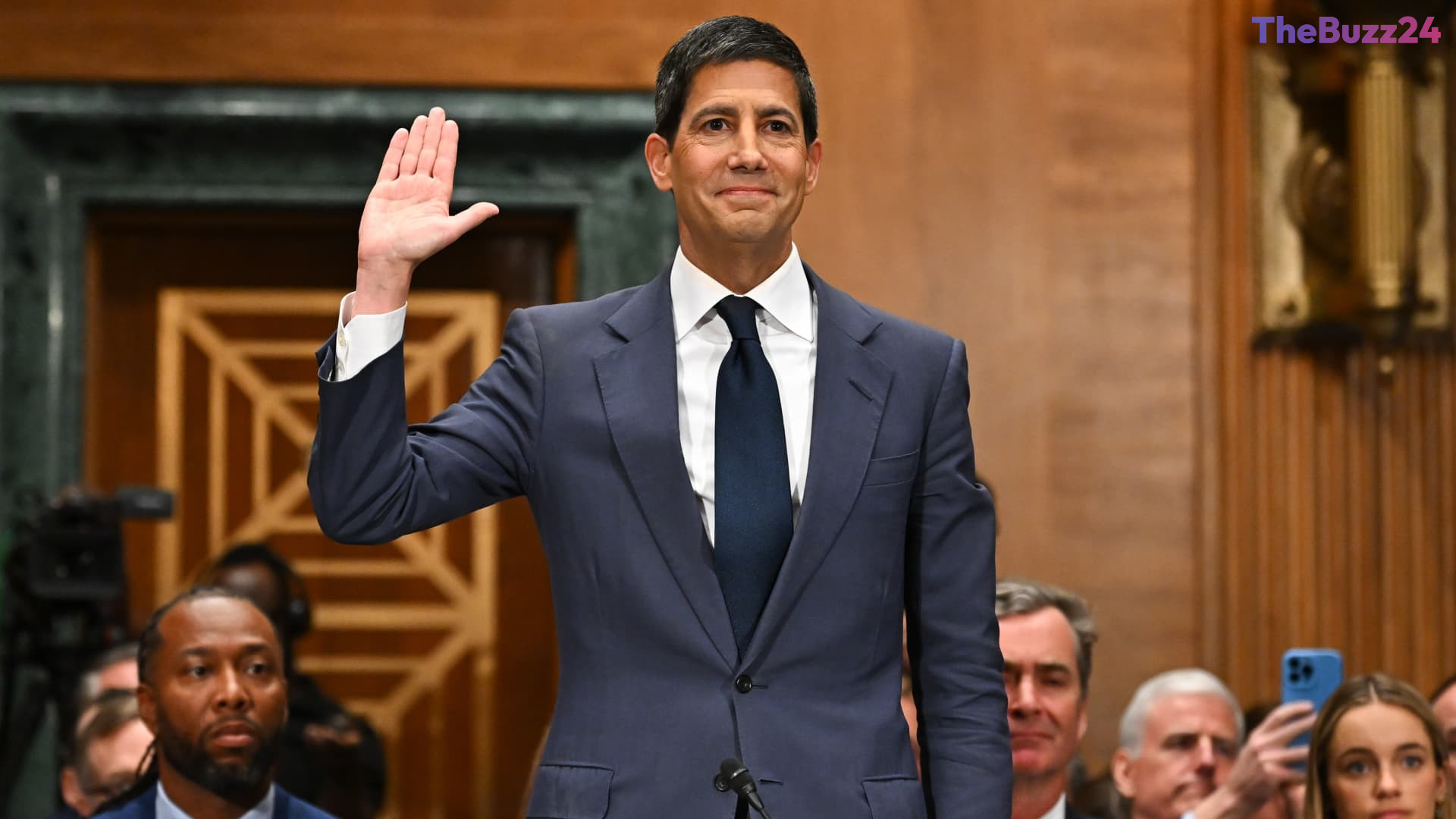
Kevin Warsh has officially adopted the title of “chairman” as he prepares to lead the Federal Reserve, marking a distinct departure from the naming conventions used by his immediate predecessors. For the past 12 years, the leaders of the central bank, including Janet Yellen and Jerome Powell, opted for the gender-neutral “chair.” Warsh’s decision to revert to the traditional “chairman” title aligns with the language found in the Federal Reserve Act, which specifically references the “chairman” of the Board of Governors.
While the shift in nomenclature has drawn attention, there is no formal law or regulation mandating a specific title for the position. The choice remains a matter of personal preference for the individual holding the office. The Federal Reserve Act itself uses gender-specific terminology, including “vice chairman” and “vice chairman of supervision,” providing a legal basis for Warsh’s chosen designation.
The move comes amid a broader national debate regarding gender-neutral language in government and corporate sectors. While some legislative bodies and corporations have moved toward inclusive terminology, others—particularly within Republican-led committees in the House and Senate—have maintained the use of “chairman.” Industry experts suggest that the change is likely a reflection of personal preference rather than a signal of a major policy shift, noting that corporate leadership titles remain varied across the S&P 500.
Key Takeaways
- Kevin Warsh has officially adopted the title of 'chairman,' ending a 12-year period where the Federal Reserve leader was referred to as 'chair.'
- The Federal Reserve Act uses the term 'chairman,' providing a legal precedent for Warsh's choice despite recent trends toward gender-neutral language.
- The title change is considered a matter of personal preference, as no specific law mandates the use of 'chair' over 'chairman' for the position.
Editor’s Analysis & Impact
The decision by Kevin Warsh to revert to the title of ‘chairman’ serves as a symbolic indicator of the shifting cultural and political winds within Washington. By moving away from the gender-neutral ‘chair’ used by his predecessors, Warsh is signaling a return to more traditional institutional language. This move mirrors a wider ideological divide in the United States, where debates over diversity, equity, and inclusion (DEI) initiatives have become increasingly polarized. From a market perspective, while the title change itself has no direct impact on monetary policy or interest rate decisions, it highlights the incoming leadership’s alignment with traditionalist frameworks. Investors should view this as a stylistic shift that reflects the broader political environment in which the Federal Reserve must now operate, potentially signaling a more conservative approach to institutional governance.
Frequently Asked Questions
Q: Is the title 'chairman' legally required for the head of the Federal Reserve?
A: No. There is no law or regulation governing the title. The Federal Reserve Act uses the term 'chairman,' but the choice between 'chair' and 'chairman' is ultimately left to the personal preference of the individual in the role.
Q: Why did the previous Fed leaders use the title 'chair'?
A: Janet Yellen and Jerome Powell chose the title 'chair' to align with modern, gender-neutral language standards that have been increasingly adopted by various government bodies and corporations over the last decade.
AI Disclosure: This article is based on verified data and official reports. Our Team and AI have cross-referenced every financial detail with primary sources to ensure total accuracy.
More from this Category