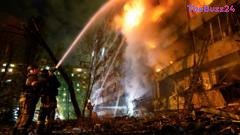
Kyiv Energy Infrastructure Targeted in Fresh Wave of Russian Missile Strikes
A critical energy facility in Kyiv, the Darnytska CHP-4, has sustained significant damage following a targeted Russian ballistic missile attack. The strike, which also impacted a nearby residential building, resulted in at least two fatalities and left 21 individuals injured, according to Kyiv Mayor Vitali Klitschko. The assault has caused widespread power outages across parts of the capital, prompting officials to issue urgent warnings for residents to remain in shelters.
Ukrainian President Volodymyr Zelensky condemned the attack, highlighting the destruction of essential infrastructure despite recent discussions regarding an energy ceasefire. Zelensky expressed frustration over the lack of early warning regarding the incoming ballistic missiles, emphasizing the vulnerability of the nation’s power grid. The president is scheduled to meet with UK Prime Minister Andy Burnham to advocate for the urgent acceleration of air defense supplies to better protect the city from ongoing aerial threats.
The situation remains tense as diplomatic efforts to secure a lasting ceasefire face significant hurdles. While there have been discussions involving international leaders, including U.S. President Donald Trump, regarding the potential for a cessation of hostilities, the reality on the ground suggests a continued escalation. The Darnytska CHP-4 plant, a vital source of heating and electricity for the Dniprovskyi and Darnytskyi districts, has been a recurring target throughout the conflict, underscoring the strategic focus on crippling Ukraine’s utility infrastructure during the winter months.
Key Takeaways
- A major power plant in Kyiv, Darnytska CHP-4, was hit by Russian missiles, causing significant damage and power outages.
- The attack resulted in two deaths and over 20 injuries after a residential building was also struck.
- President Zelensky is seeking increased air defense support from international partners amid concerns over the effectiveness of current ceasefire agreements.
Editor’s Analysis & Impact
The targeting of critical energy infrastructure in Kyiv represents a strategic effort to erode civilian morale and operational capacity during the winter season. By repeatedly striking facilities like the Darnytska CHP-4, the conflict is shifting toward a war of attrition focused on essential services. The diplomatic friction regarding intelligence sharing and the efficacy of a proposed ceasefire suggests that international mediation is currently struggling to keep pace with the tactical realities on the ground. Moving forward, the ability of the Ukrainian government to secure advanced air defense systems will be the primary determinant in preventing a total collapse of the capital’s utility grid. The broader implication is a prolonged humanitarian crisis that complicates any potential path toward a sustainable peace agreement, as energy security remains a non-negotiable prerequisite for the country’s stability.
Frequently Asked Questions
Q: Why is the Darnytska CHP-4 plant significant?
A: The Darnytska CHP-4 is a critical energy facility that provides essential heating and electricity to large residential districts in Kyiv, including schools, kindergartens, and medical institutions.
Q: What is the current status of the ceasefire between Russia and Ukraine?
A: Despite recent international discussions and announcements regarding a potential energy ceasefire, the ongoing missile strikes indicate that hostilities have not ceased, and the agreement remains highly unstable.
AI Disclosure: This article is based on verified data and official reports. Our Team and AI have cross-referenced every financial detail with primary sources to ensure total accuracy.
More from this Category