Las Vegas Autonomous Race Heats Up as Zoox Prepares to Expand Robotaxi Fleet
A regulatory milestone is set to reshape the autonomous ride-hailing landscape in Nevada as the 100-vehicle limit on Zoox’s robotaxi fleet expires. This regulatory shift, established by the Nevada Transportation Authority (NTA), clears the path for the Amazon-owned company to scale up its fleet of custom-built, steering-wheel-free robotaxis in Las Vegas. The development comes at a pivotal moment as the autonomous ride-hailing market in the city experiences unprecedented competition from other tech giants.
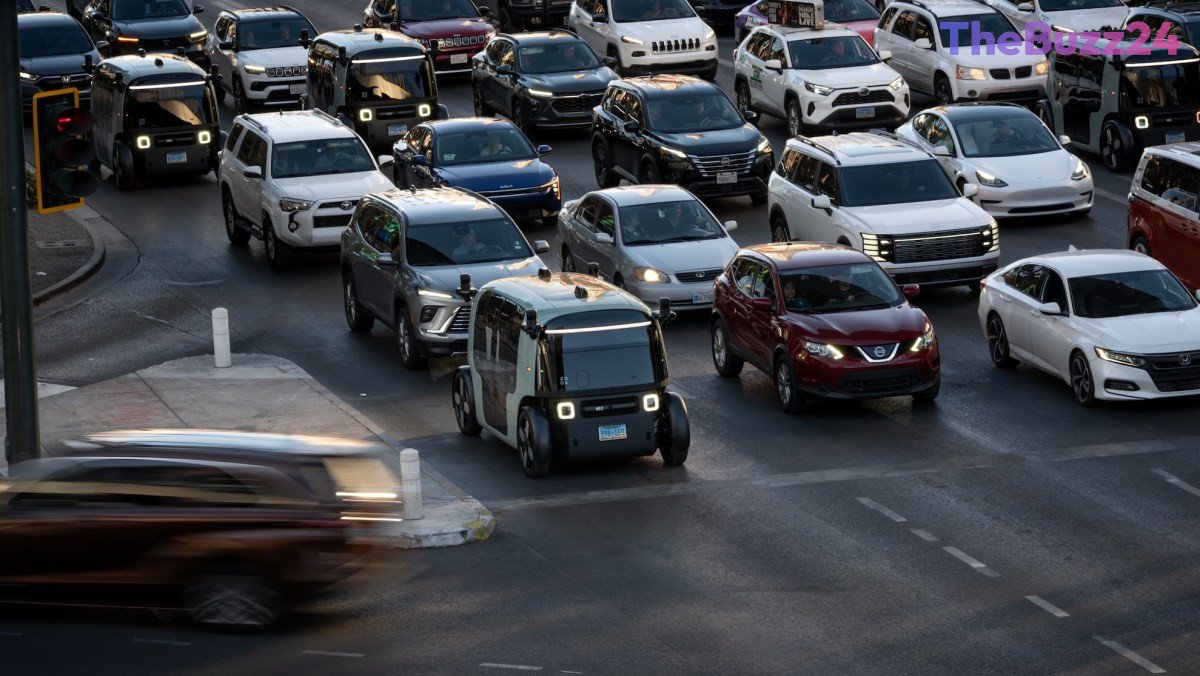
Unlike its competitors, which often retrofit standard consumer vehicles, Zoox’s purpose-built vehicles feature a unique, cube-like design completely devoid of traditional driver controls like steering wheels and pedals. To operate these vehicles on public roads, Zoox secured a crucial temporary exemption from the National Highway Traffic Safety Administration (NHTSA), allowing the deployment of up to 2,500 vehicles annually for the next two years. Currently, Las Vegas is the sole market where Zoox is authorized to charge passengers for rides, though the company also maintains a testing presence in San Francisco, Austin, and Miami.
The lifting of Zoox’s cap coincides with a broader influx of autonomous vehicle operators in Clark County. The NTA recently approved permits for industry heavyweights including Tesla, Uber, and Waymo, which could collectively introduce up to 7,000 robotaxis to the region over the next year. Waymo has already initiated commercial services in the city, deploying a fleet of autonomous minivans across a 23-square-mile zone that includes the famous Las Vegas Strip.
While Zoox has not disclosed the exact number of vehicles it plans to add immediately, representatives have indicated a phased, steady expansion to meet rising consumer demand. Industry estimates suggest Zoox currently has around 30 active vehicles in Las Vegas, meaning the removal of the regulatory ceiling provides significant headroom for the company to establish a dominant foothold before its rivals fully scale their operations.
Key Takeaways
- The Nevada Transportation Authority's 100-vehicle limit on Zoox's robotaxi fleet is expiring, allowing the Amazon-owned company to freely expand its operations in Las Vegas.
- Zoox's custom-built, steering-wheel-less vehicles rely on a federal safety exemption that permits up to 2,500 deployments annually.
- Competition in the Las Vegas autonomous ride-hailing market is intensifying rapidly, with Waymo, Tesla, and Uber also securing permits to operate in the area.
Editor’s Analysis & Impact
The expiration of Zoox’s vehicle cap in Nevada marks a critical transition from experimental testing to commercial viability for Amazon’s autonomous vehicle division. Las Vegas is rapidly becoming the primary battleground for the robotaxi industry, serving as a high-density, tourist-heavy testing ground. By removing the 100-vehicle limit, regulators are allowing Zoox to leverage its unique, purpose-built carriage design against adapted consumer vehicles used by competitors like Waymo. However, the impending influx of up to 7,000 autonomous vehicles from rivals like Tesla and Uber means Zoox must scale rapidly to capture market share. The long-term outlook for the industry will depend heavily on how these companies manage safety concerns, navigate local congestion, and transition from subsidized pilot programs to profitable, high-volume urban transport networks.
Frequently Asked Questions
Q: Why does Zoox require a special federal exemption to operate?
A: Zoox's robotaxis are custom-built without traditional manual controls like steering wheels or pedals. Because they do not meet standard Federal Motor Vehicle Safety Standards designed for human-driven cars, they require a temporary exemption from the National Highway Traffic Safety Administration (NHTSA) to operate commercially.
Q: Where else does Zoox currently operate besides Las Vegas?
A: In addition to Las Vegas, Zoox has deployed its vehicles in San Francisco, Austin, and Miami. However, Las Vegas is currently the only city where the company is legally permitted to charge passengers for rides.
Q: Which other companies are competing in the Las Vegas robotaxi market?
A: The Nevada Transportation Authority has recently approved permits for Waymo, Tesla, and Uber to operate commercial autonomous ride-hailing services in the region, setting up a highly competitive environment.
AI Disclosure: This article is based on verified data and official reports. Our Team and AI have cross-referenced every financial detail with primary sources to ensure total accuracy.
More from this Category