Leadership Crisis at Tata: Chairman’s Exit Sparks Uncertainty Over Semiconductor and Apple Ambitions
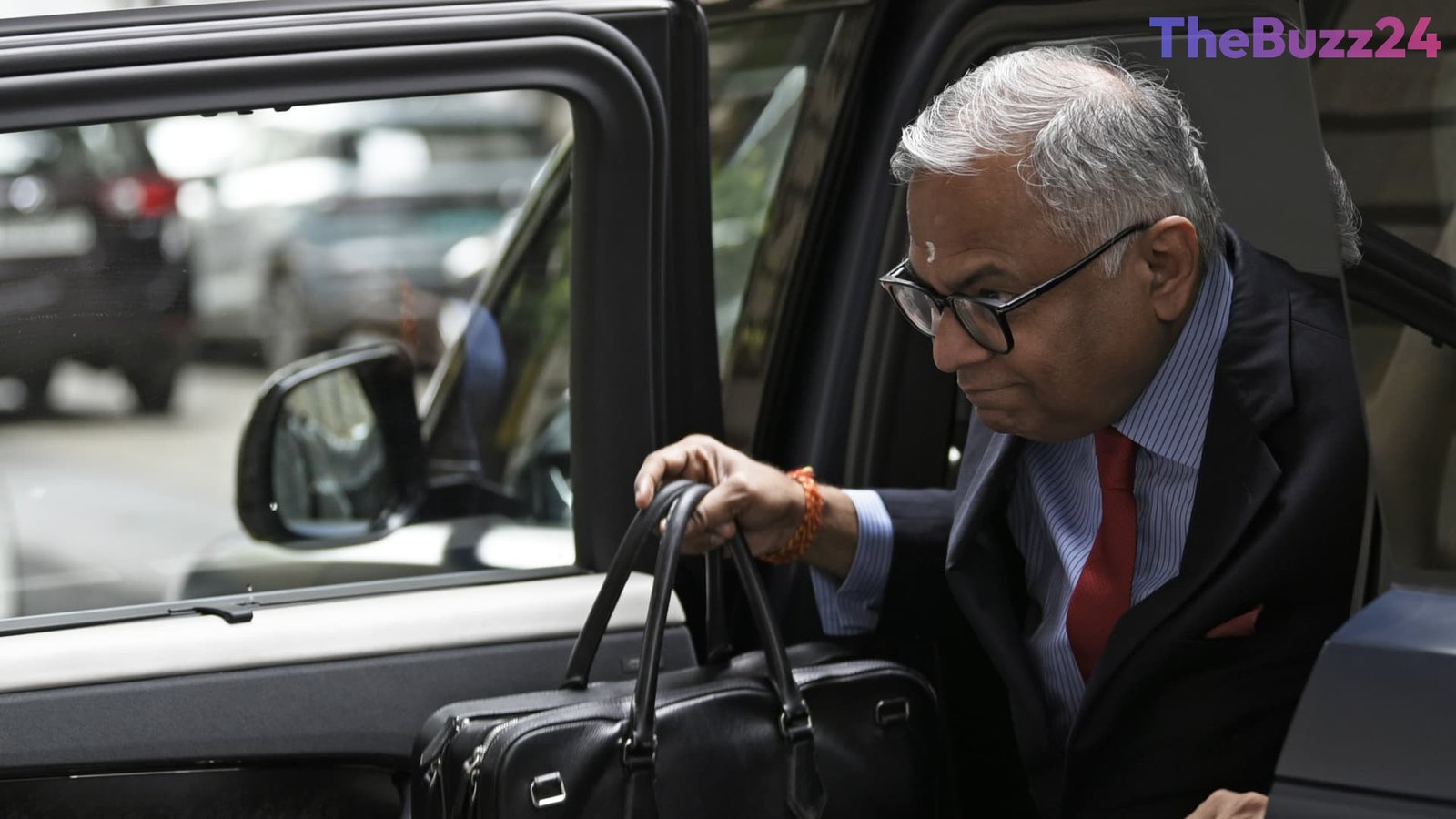
In a major shakeup for one of India’s largest conglomerates, Tata Sons Chairman N. Chandrasekaran has announced he will not seek another term. His decision to step down when his tenure ends in February next year has sent shockwaves through the business community, casting a shadow of uncertainty over the group’s massive, capital-intensive expansion plans. Under Chandrasekaran’s leadership, Tata has aggressively pivoted toward high-tech manufacturing, aviation, and digital infrastructure—ambitious moves that are now facing intense scrutiny.
During his tenure, Chandrasekaran spearheaded several landmark initiatives aimed at positioning Tata as a global powerhouse. These included the acquisition of the struggling national carrier Air India in 2022, entering the Apple supply chain by acquiring Wistron and Pegatron’s Indian operations, and launching an $11 billion semiconductor joint venture with Taiwan’s Powerchip Semiconductor Manufacturing Corp. However, these ventures are in their infancy and have yet to turn a profit. Consequently, Tata Sons’ consolidated net profit plummeted by 35% to 266 billion rupees (approximately $2.78 billion) for the fiscal year ending March 2026, weighed down by mounting losses in its electronics, digital, and aviation arms.
The financial strain of these long-term bets has reignited a historic tension between Tata Sons, the holding company, and Tata Trusts, which holds a controlling 66% stake. Led by Noel Tata, the Trusts have reportedly advocated for a more conservative approach to capital allocation, especially as the group’s primary cash cow, Tata Consultancy Services (TCS), faces growth headwinds from artificial intelligence disruption. Chandrasekaran’s resignation letter revealed that his reappointment had been stalled for six months due to opposition from a board member, highlighting the deep-seated rift over the group’s strategic direction.
This leadership transition mirrors the high-profile exit of former chairman Cyrus Mistry a decade ago, underscoring the delicate balance of power within the Tata empire. As the search for Chandrasekaran’s successor begins ahead of the annual shareholder meeting on August 18, the incoming leader will face the monumental task of balancing the aggressive growth vision required for global competitiveness with the fiscal discipline demanded by the group’s majority shareholders.
Key Takeaways
- Tata Sons Chairman N. Chandrasekaran will step down in February next year, declining to seek reappointment amid boardroom disagreements over capital allocation.
- The group's aggressive, multi-billion-dollar investments in semiconductors, iPhone manufacturing, and Air India have depressed short-term profits, leading to a 35% drop in consolidated net profit.
- A rift has emerged between Tata Sons and its majority shareholder, Tata Trusts, reflecting a clash between long-term high-tech expansion and conservative financial management.
Editor’s Analysis & Impact
The departure of N. Chandrasekaran marks a critical juncture for the Tata Group and India’s broader industrial ambitions. Chandrasekaran’s strategy was closely aligned with India’s national goal of becoming a global manufacturing alternative to China, particularly in semiconductors and electronics. However, the heavy capital expenditure required for these long-term plays has severely strained Tata’s balance sheet at a time when its primary revenue generator, TCS, is navigating AI-driven market shifts. The resurgence of the “dual power center” conflict between Tata Sons and Tata Trusts risks signaling instability to global partners like Apple and PSMC. The successor will need to execute a delicate balancing act: maintaining momentum on critical high-tech projects to preserve market confidence while implementing the stricter capital discipline demanded by the Trusts.
Frequently Asked Questions
Q: Why is N. Chandrasekaran stepping down as Tata Sons Chairman?
A: Chandrasekaran decided not to seek reappointment following a six-month delay in finalizing his contract extension, which was stalled due to disagreements with Tata Trusts over capital allocation and declining profitability in new business ventures.
Q: What major projects are at risk due to this leadership transition?
A: Key projects facing uncertainty include Tata's $11 billion semiconductor plant partnership, its expanding iPhone assembly operations, and the ongoing turnaround of Air India, all of which require sustained, long-term capital injection.
Q: How has the conflict between Tata Sons and Tata Trusts affected the group's financial performance?
A: While the group's core IT business faces pressure, heavy investments in unprofitable new ventures led to a 35% decline in Tata Sons' consolidated net profit to 266 billion rupees for the fiscal year ending March 2026, prompting the Trusts to demand tighter capital controls.
AI Disclosure: This article is based on verified data and official reports. Our Team and AI have cross-referenced every financial detail with primary sources to ensure total accuracy.
More from this Category