Unitree Robotics IPO Ignites Speculation: Can Backflipping Bots Deliver Real-World Value?
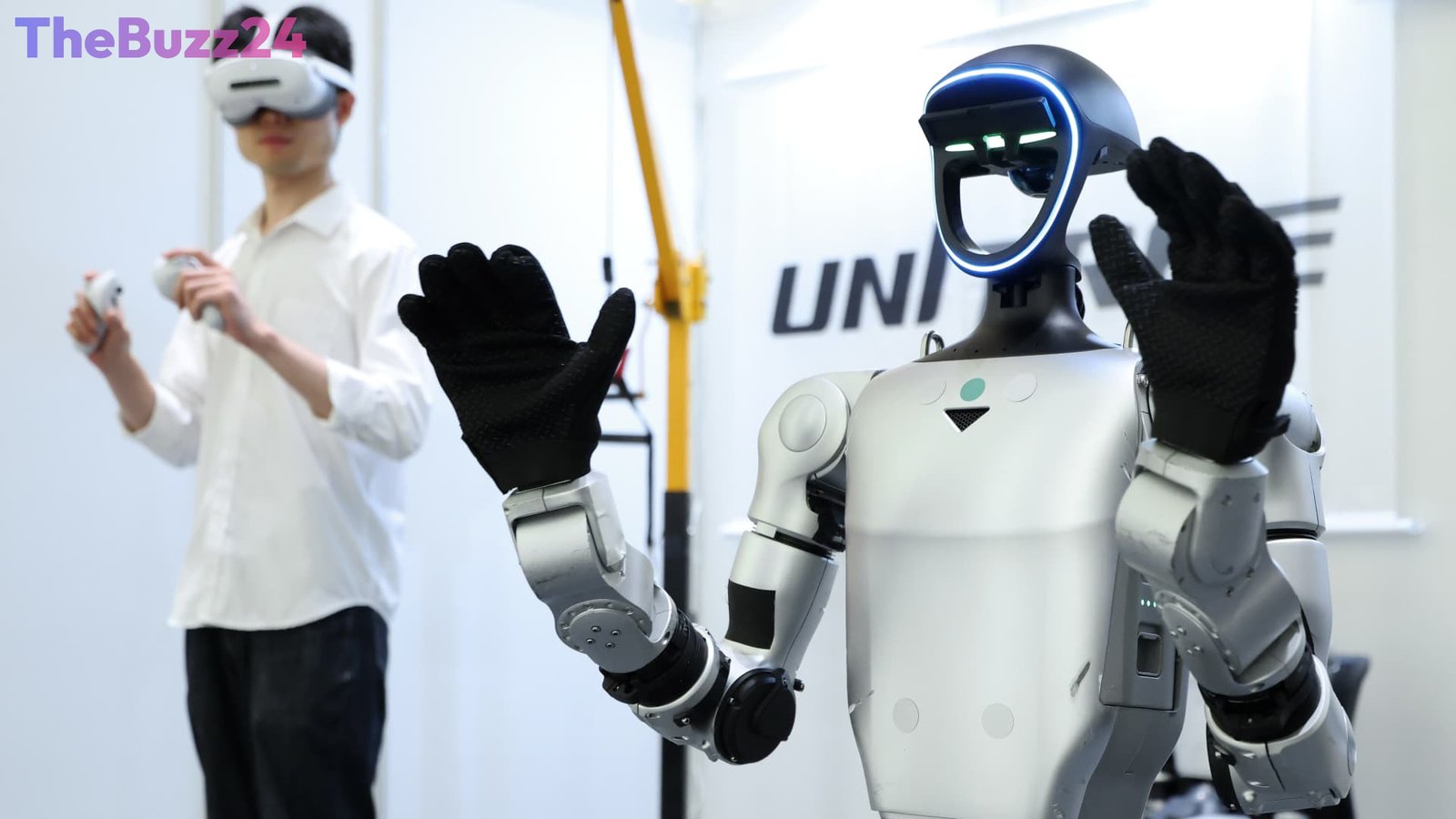
Unitree Robotics, a prominent Chinese manufacturer of advanced humanoid robots, has launched its Initial Public Offering (IPO) on Shanghai’s STAR market, raising approximately $900 million and achieving a valuation of around $9 billion. The company, celebrated for robots capable of performing dynamic feats like kung fu kicks and recovering from falls, is poised to be the first humanoid robot firm to list on the mainland. The IPO has generated immense retail interest, with the online portion of the offering being oversubscribed by more than 5,000 times, indicating a feverish demand among investors.
Despite the market excitement and a significant first-day trading pop expected for Unitree’s shares, industry experts and analysts are raising critical questions about the commercial viability and practical applications of these sophisticated machines. While Unitree’s robots excel in demonstrations and research settings, moving beyond acrobatic displays to perform genuinely useful work remains a significant hurdle. Concerns persist regarding the current limitations of AI and software, as well as the durability and precision of robotic hands, which may hinder large-scale commercial adoption.
Analysts point to several factors fueling the current surge in interest in China’s robotics sector, including falling robot prices and robust government support for automation. Unitree, in particular, has benefited from its manufacturing scale and cost efficiencies, leading to a substantial increase in revenue. However, the company’s own filings reveal that a significant portion of its revenue still originates from research and educational sectors, with industrial applications still in their nascent stages. This reliance on R&D and demonstration markets, coupled with high research and development spending, has led to a recent dip in profitability, underscoring the challenges of translating technological prowess into consistent financial returns.
The broader humanoid robotics market is projected for substantial growth, with global fleets expected to expand significantly by 2035. China is a dominant force in this landscape, leading in both industrial robot installations and humanoid deployments. Unitree’s success, however, is not without geopolitical considerations. U.S. import restrictions targeting certain foreign-made robots could impact Unitree, which derives a portion of its revenue from the American market. Furthermore, potential disruptions in access to critical hardware and software components from Western suppliers like Nvidia pose another risk. Despite these challenges, the sheer potential of the humanoid robotics market continues to attract major players, with companies like Tesla actively investing in developing their own humanoid robots.
Key Takeaways
- Unitree Robotics has successfully launched its IPO, raising $900 million and achieving a $9 billion valuation, signaling strong investor interest in the humanoid robot sector.
- Despite impressive demonstrations, significant questions remain about the practical, commercial applications and profitability of humanoid robots beyond research and development.
- Geopolitical factors, including potential U.S. import bans and reliance on Western technology, present challenges for Chinese robotics firms like Unitree, even as the global market is poised for substantial growth.
Editor’s Analysis & Impact
The Unitree Robotics IPO highlights a burgeoning but speculative market for humanoid robots. While technological advancements are rapid, with robots performing increasingly complex maneuvers, the path to widespread commercial adoption and profitability remains uncertain. The current demand appears heavily skewed towards research and demonstration, with real-world industrial applications still in early development. The significant valuation, far exceeding current earnings, suggests a strong speculative element driven by future potential rather than immediate returns. Geopolitical tensions and supply chain dependencies add further layers of risk. The industry’s future hinges on overcoming AI and software limitations, enhancing robot durability, and proving a clear return on investment for businesses, a transition that could take considerable time.
Frequently Asked Questions
Q: What is Unitree Robotics?
A: Unitree Robotics is a Chinese company that designs and manufactures advanced humanoid robots, known for their agility and ability to perform complex movements like backflips and martial arts-like kicks. They also produce quadruped robots.
Q: Why is Unitree's IPO significant?
A: Unitree's IPO is significant as it is the first humanoid robot company to list on mainland China's STAR market, attracting substantial investor interest and raising $900 million. It reflects growing confidence and investment in the robotics sector.
Q: What are the main challenges facing humanoid robot adoption?
A: Key challenges include limitations in AI and software, the durability and precision of robotic hands for complex tasks, the need for task-specific training, and the high cost of development and deployment. Additionally, geopolitical factors and supply chain dependencies can impact market access and component availability.
AI Disclosure: This article is based on verified data and official reports. Our Team and AI have cross-referenced every financial detail with primary sources to ensure total accuracy.
More from this Category