Tokyo Outraged: Japanese PM Condemns Vladimir Putin’s Historic Visit to Disputed Kuril Islands
Relations between Tokyo and Moscow have hit a new low following Russian President Vladimir Putin’s historic and highly controversial visit to the disputed Kuril Islands. Japanese Prime Minister Sanae Takaichi swiftly condemned the move, labeling the islands as “inherently Japanese territory” and describing the Russian leader’s presence there as “absolutely unacceptable.” The diplomatic clash marks the first time a Russian president has set foot on the contested archipelago, which Japan refers to as the Northern Territories.
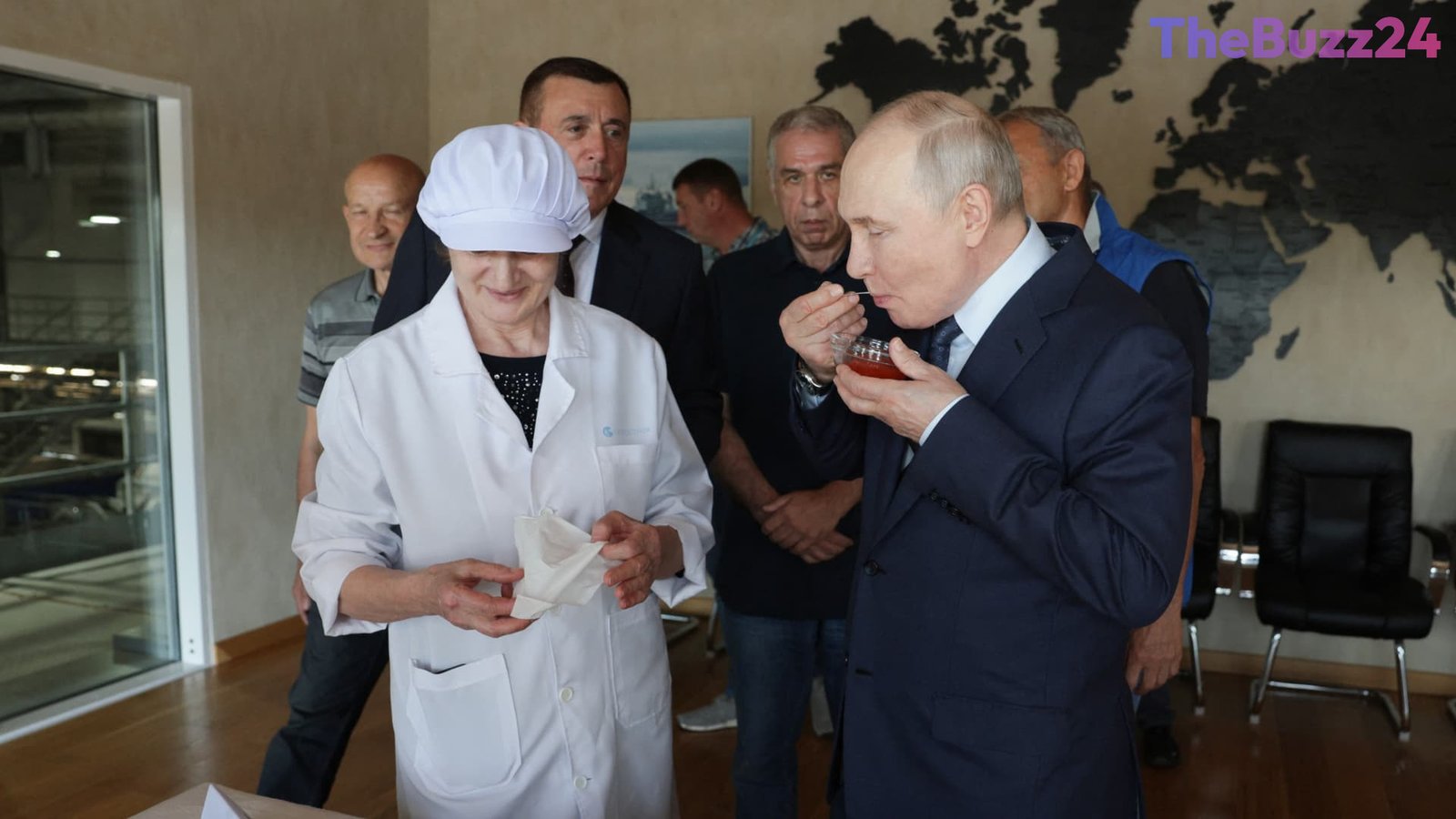
The Kuril Islands, a volcanic chain stretching between Russia’s Kamchatka Peninsula and Japan’s Hokkaido, have been a source of intense territorial dispute since the end of World War II, when Soviet forces annexed the four southernmost islands. Although Japan renounced its claims to the islands in the 1951 Treaty of San Francisco, Tokyo has never recognized Russian sovereignty over them. This unresolved dispute has prevented the two nations from ever signing a formal post-WWII peace treaty. During his provocative trip, Putin visited the island of Iturup—home to a key Russian military base—where he toured local infrastructure and met with Sakhalin’s regional governor, Valery Limarenko.
The timing of Putin’s visit is highly strategic, occurring shortly after the release of Japan’s 2026 defense white paper. The policy document explicitly identified Russia’s ongoing military activities in the occupied islands as a critical threat to Japanese national security. Japanese Foreign Minister Toshimitsu Motegi joined Prime Minister Takaichi in lodging a strong protest against the visit. Geopolitical analysts suggest that Moscow’s move is a direct retaliation to Japan’s escalating defense capabilities and its hardening stance against Russian military posturing in the Pacific.
Key Takeaways
- Japanese Prime Minister Sanae Takaichi strongly condemned Russian President Vladimir Putin's first-ever visit to the disputed Kuril Islands, calling it "absolutely unacceptable."
- The territorial dispute over the islands, seized by the Soviet Union at the end of World War II, has prevented Japan and Russia from signing a formal peace treaty for decades.
- The visit is widely viewed as a direct response to Japan's 2026 defense white paper, which labeled Russia's military presence in the region as a critical security threat.
Editor’s Analysis & Impact
Putin’s unprecedented visit to the Kuril Islands signals a deliberate escalation in Russia-Japan relations, reflecting broader geopolitical shifts in East Asia. By physically asserting sovereignty over Iturup, Moscow is sending a clear message to Tokyo regarding its defense ambitions. Japan’s recent defense white paper, which takes a significantly firmer stance against Russian and North Korean military activities, has clearly touched a nerve in the Kremlin. This visit not only solidifies Russia’s military footprint in the Pacific but also complicates any future diplomatic resolution regarding the Northern Territories. For Japan, under Prime Minister Takaichi, this provocation will likely accelerate efforts to bolster national defense capabilities and strengthen security alliances with Western partners, further polarizing the Indo-Pacific region.
Frequently Asked Questions
Q: Why are the Kuril Islands disputed between Japan and Russia?
A: The dispute dates back to the end of World War II, when Soviet forces annexed the four southernmost islands of the chain. While Japan renounced its claims to the Kurils in the 1951 Treaty of San Francisco, Tokyo maintains that these specific islands are its inherent territory and were illegally occupied, preventing the two nations from signing a formal peace treaty.
Q: What is the significance of Putin's visit to Iturup island?
A: Iturup is the largest of the disputed islands and hosts a strategically vital Russian military base. Putin's visit—the first by a Russian president—serves to project Moscow's sovereignty and military dominance in the region, especially in response to Japan's updated defense policies.
Q: How did Japan react to the visit?
A: Japanese Prime Minister Sanae Takaichi and Foreign Minister Toshimitsu Motegi strongly protested the visit, calling it "absolutely unacceptable" and reiterating that the islands are inherently Japanese territory.
AI Disclosure: This article is based on verified data and official reports. Our Team and AI have cross-referenced every financial detail with primary sources to ensure total accuracy.
More from this Category