Lebanon Ceasefire Shattered: Israeli Strikes Kill 16 Amidst Fragile Truce
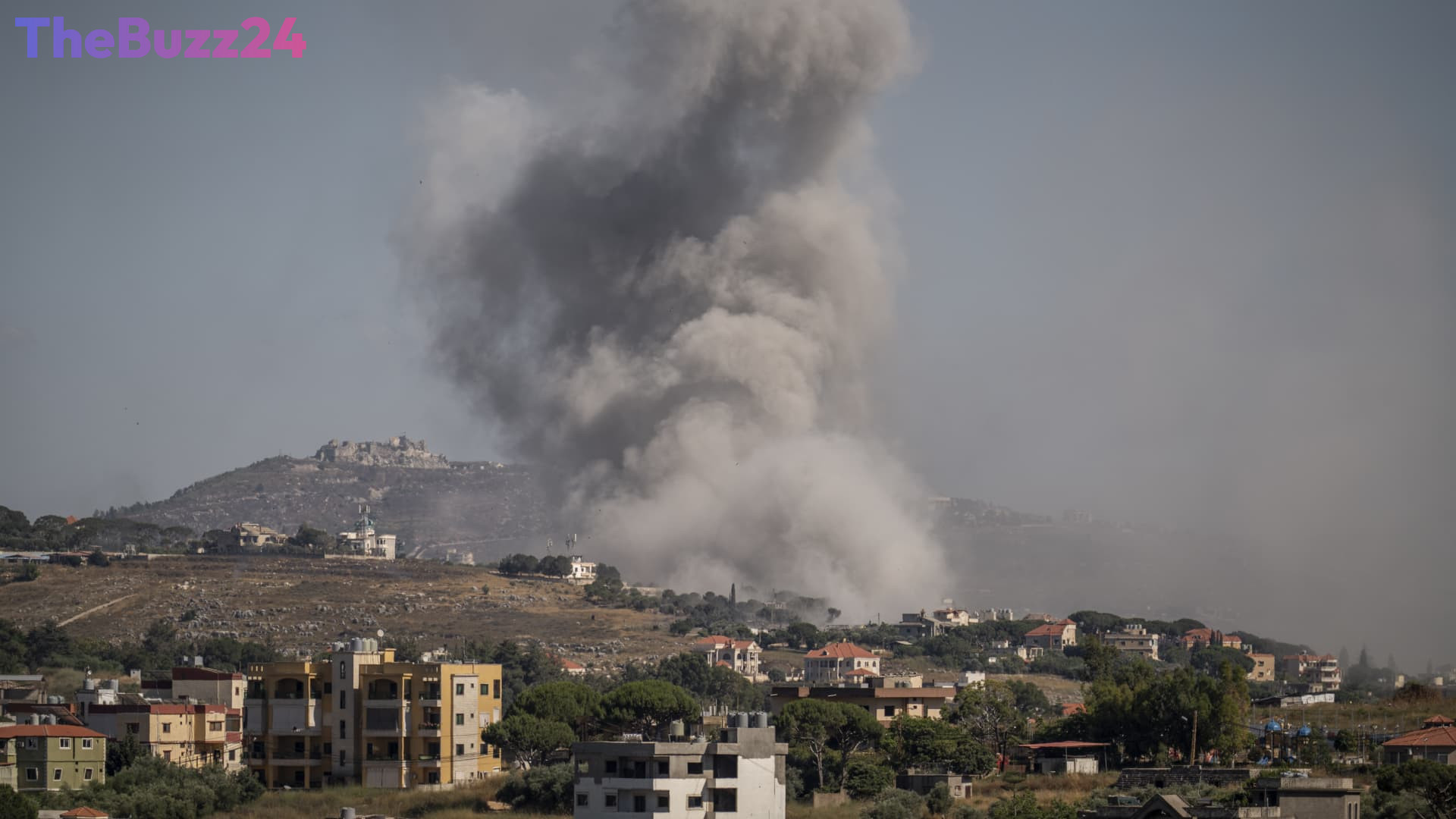
At least 16 people were killed in a series of Israeli airstrikes across Lebanon on Saturday, just hours after a ceasefire agreement between Israel and the Iran-backed Hezbollah group was set to take effect. The strikes, which targeted multiple locations in southern Lebanon and the Bekaa Valley, underscore the precarious nature of the truce and the ongoing tensions in the region.
Lebanese Civil Defence confirmed the fatalities, with one of the deadliest incidents involving a residential building in the southern town of Barish, where a family of four perished. Another strike reportedly killed a Lebanese soldier. The Lebanese state news agency NNA reported that Israeli warplanes and drones were responsible for the attacks.
An Israeli military official stated that the strikes were a direct response to over 50 projectiles launched by Hezbollah towards Israeli forces overnight. The official characterized these actions as repeated violations of the ceasefire, asserting that Israel remains committed to the truce but will respond decisively to any attacks on its civilians or troops. Hezbollah, while also affirming its commitment to the ceasefire, warned that it would retaliate against any Israeli attempts to seize territory or expand its occupation.
The fragile truce, brokered with the aim of halting months of escalating violence, is further complicated by an interim peace deal between the U.S. and Iran. This broader understanding seeks a permanent end to military operations across multiple fronts, including Lebanon. However, Israel, which was not directly involved in the U.S.-Iran negotiations, has expressed reservations about terms that could potentially limit its operations in Lebanon. The recent strikes highlight the significant challenges in achieving lasting peace in the volatile region.
Key Takeaways
- Israeli airstrikes in Lebanon killed at least 16 people shortly after a ceasefire with Hezbollah was supposed to begin.
- The strikes were a response to Hezbollah projectiles fired into southern Lebanon, according to Israeli officials.
- The fragile truce is linked to a broader U.S.-Iran interim peace deal, highlighting regional instability.
Editor’s Analysis & Impact
The recent Israeli strikes in Lebanon, occurring mere hours after a declared ceasefire, demonstrate the extreme volatility of the conflict and the deep-seated mistrust between the involved parties. The immediate escalation following the truce highlights the difficulty in maintaining de-escalation efforts, especially when underlying territorial disputes and security concerns remain unresolved. This incident casts a shadow over the broader U.S.-Iran peace initiative, suggesting that achieving a lasting cessation of hostilities across multiple fronts will require more than just bilateral agreements; it necessitates robust verification mechanisms and a genuine commitment from all actors on the ground to uphold the terms of any truce. The continued cycle of violence risks further civilian casualties and could destabilize the region even more.
Frequently Asked Questions
Q: What triggered the Israeli strikes?
A: Israeli officials stated the strikes were a response to over 50 projectiles fired by Hezbollah into southern Lebanon overnight, which they considered violations of the ceasefire.
Q: What is the significance of the U.S.-Iran understanding?
A: The U.S.-Iran understanding aims for an immediate, permanent end to military operations by the parties and their allies across various fronts, including Lebanon. However, Israel's non-participation in these specific negotiations adds complexity to its implementation.
Q: What is the reported impact on civilians?
A: The strikes resulted in at least 16 reported deaths, including a family of four in a residential building and a Lebanese soldier. Lebanese health ministry figures indicate thousands have been killed in Israeli attacks since March 2.
AI Disclosure: This article is based on verified data and official reports. Our Team and AI have cross-referenced every financial detail with primary sources to ensure total accuracy.
More from this Category