London Fashion Week 2026: The Defining Trends for Spring and Summer
London Fashion Week has marked a significant period of renewal for the industry, highlighted by the triumphant return of major design houses to the city. Alexander McQueen made a historic homecoming after 25 years of showing in Paris, with creative director Seán McGirr presenting a collection defined by dark romanticism, lace corsets, and intricate skull-themed designs. Similarly, Mulberry returned to the London stage after a nine-year hiatus, emphasizing leather craftsmanship and the iconic Bayswater bag, signaling a renewed focus on London as a global engine for both creativity and commercial growth.
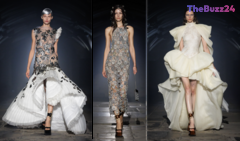
Beyond the headline-grabbing returns, the runways revealed a distinct shift away from the minimalist ‘quiet luxury’ that dominated previous seasons. Designers are embracing a more expressive, chaotic, and tactile approach to style. This transition is evident in the rise of the ‘messy girl’ aesthetic, characterized by intentional disarray and clashing patterns, as well as ‘gardencore,’ which incorporates functional, outdoor-ready silhouettes like aprons and waterproof trench coats into high-fashion contexts.
Other notable trends include the ‘modern goddess’ look, featuring flowing, draped fabrics inspired by classical silhouettes, and a surge in the popularity of orange—ranging from coral to neon tangerine—across multiple collections. Furthermore, the discipline of ballet continues to influence the industry, with designers incorporating pointe-inspired elements and delicate silhouettes into their spring and summer offerings. These trends collectively suggest a move toward individuality and resilience in fashion, reflecting a broader cultural desire to break free from rigid, uniform dressing.
Key Takeaways
- Major heritage brands like Alexander McQueen and Mulberry have returned to London Fashion Week, signaling a boost for the city's fashion ecosystem.
- The industry is pivoting away from 'quiet luxury' toward more expressive, chaotic, and tactile aesthetics like 'messy girl' and 'gardencore'.
- Orange is emerging as the dominant color trend for 2027, while ballet-inspired silhouettes and draped, goddess-like garments are set to define the upcoming season.
Editor’s Analysis & Impact
The shift observed at London Fashion Week 2026 indicates a clear ‘trend fatigue’ regarding the minimalist aesthetic that has dominated the luxury market for the past few years. By moving toward ‘messy’ and ‘gardencore’ styles, designers are attempting to capture a consumer base that values authenticity and rebellion over status-driven uniformity. The return of legacy brands to London is a strategic move to bolster the city’s standing as a commercial hub, likely aimed at attracting younger, trend-conscious demographics. From an economic perspective, the emphasis on distinct, high-impact trends suggests that brands are looking to drive sales through novelty and visual differentiation, which is essential for maintaining relevance in an increasingly saturated and social-media-driven retail environment.
Frequently Asked Questions
Q: What is the 'messy girl' aesthetic?
A: The 'messy girl' aesthetic is a reaction against minimalist 'quiet luxury.' It involves deliberate chaos in styling, such as mixing clashing patterns, pastel colors, and tactile materials to create an intentionally undone, resilient look.
Q: Why is orange considered a key trend for 2027?
A: Orange has appeared prominently across multiple major runway shows, including Mulberry and Vin + Omi. Its prevalence in celebrity styling and high-fashion presentations suggests it will be a primary color palette for the upcoming spring and summer seasons.
AI Disclosure: This article is based on verified data and official reports. Our Team and AI have cross-referenced every financial detail with primary sources to ensure total accuracy.
More from this Category