Macy’s Signals Turnaround Success with Strongest Q1 Growth in Four Years
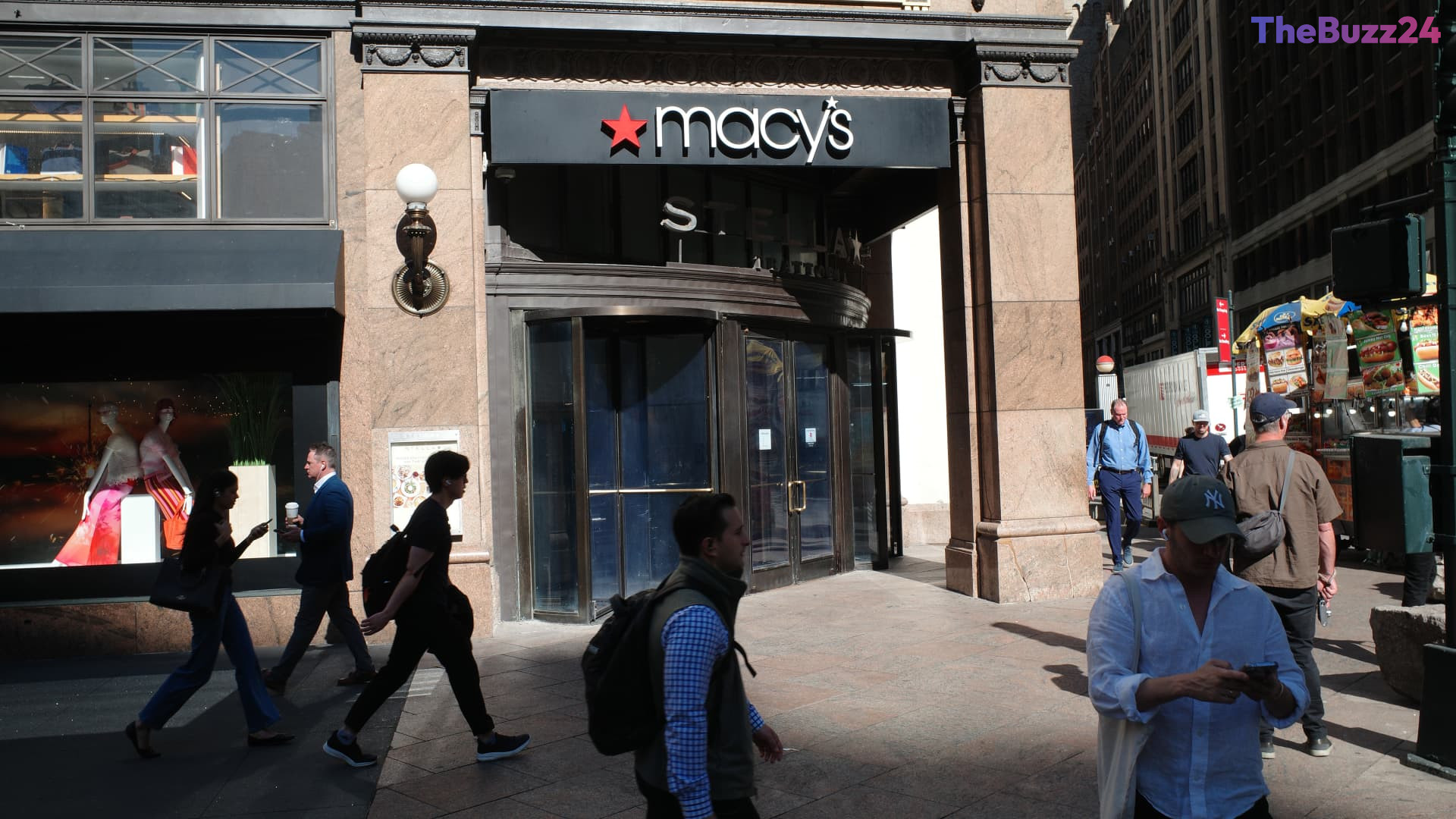
Macy’s has reported its most robust fiscal first-quarter performance in four years, signaling that the department store’s ongoing multi-year turnaround strategy is gaining significant traction. The company achieved a 3% increase in comparable sales during the quarter, bolstered by a 10.2% surge at its Bloomingdale’s banner and steady improvements across its namesake locations. This growth has prompted leadership to raise the company’s full-year financial guidance, reflecting confidence in sustained consumer demand despite broader economic uncertainties.
CEO Tony Spring attributed the positive results to a renewed focus on retail fundamentals, including optimized staffing levels, improved product assortments, and the modernization of approximately 200 ‘reimagined’ stores. While the company acknowledged that seasonal factors like tax refunds provided a tailwind during the first quarter, management noted that these positive sales trends have persisted into the second quarter, suggesting a resilient customer base. The company now projects net sales for the year to reach between $21.5 billion and $21.75 billion, surpassing previous analyst expectations.
As the retailer nears the end of a three-year strategic overhaul, the focus remains on closing underperforming locations in struggling retail centers while reinvesting in high-potential assets. By prioritizing core operational excellence over experimental initiatives, Macy’s aims to maintain its momentum. The company’s updated outlook for adjusted earnings per share, now set between $2 and $2.20, underscores a shift toward improved profitability and operational efficiency in a challenging macroeconomic environment.
Key Takeaways
- Macy's reported a 3% growth in comparable sales, marking its best first-quarter performance in four years.
- The company raised its full-year guidance, projecting net sales between $21.5 billion and $21.75 billion.
- Success is being driven by a 'back-to-basics' strategy, focusing on store staffing, product assortment, and the modernization of key retail locations.
Editor’s Analysis & Impact
Macy’s recent performance serves as a critical case study for legacy retailers attempting to navigate the digital age. By pivoting away from aggressive expansion and focusing on ‘retail fundamentals’—such as store experience and inventory management—the company is successfully differentiating itself in a crowded market. The growth at Bloomingdale’s, in particular, highlights the importance of brand positioning and the ability to capture market share from distressed competitors. However, the broader retail sector remains vulnerable to geopolitical instability and inflationary pressures. Macy’s ability to maintain this momentum will depend on whether its ‘reimagined’ store model can continue to drive foot traffic as the initial novelty wears off and consumer discretionary spending potentially tightens in the face of persistent economic headwinds.
Frequently Asked Questions
Q: What is driving the recent growth at Macy's?
A: The growth is primarily attributed to a strategic focus on retail fundamentals, including better staffing, improved product assortments, and the modernization of roughly 200 stores.
Q: How has Macy's adjusted its financial outlook for the year?
A: Following strong first-quarter results, Macy's raised its full-year guidance, now expecting net sales between $21.5 billion and $21.75 billion and adjusted earnings per share between $2 and $2.20.
AI Disclosure: This article is based on verified data and official reports. Our Team and AI have cross-referenced every financial detail with primary sources to ensure total accuracy.
More from this Category