Man Convicted in Devastating Palisades Wildfire, Justice Served After Mistrial
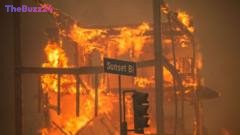
A jury in Los Angeles has found a 30-year-old man guilty of arson, concluding a case involving one of California’s most destructive wildfires. Jonathan Rinderknecht was convicted on two federal charges related to the blaze that ravaged Pacific Palisades and parts of Malibu in January of last year.
The conviction comes nearly five months after an initial trial ended in a mistrial due to a deadlocked jury. Rinderknecht, who maintained his innocence, faces a potential sentence of five to 20 years in prison for each charge. Sentencing is scheduled for March 17.
Prosecutors presented evidence that Rinderknecht intentionally started a fire on January 1st. This initial brush fire smoldered undetected in root systems before reigniting six days later into a catastrophic inferno. One charge pertains to the initial ignition, while the second addresses the damage caused by the subsequent reignition. The US Attorney’s Office for the Central District of California stated that the verdict provides a measure of justice for the victims and those whose lives were irrevocably altered.
During the trial, the defense argued that the prosecution lacked sufficient physical evidence. However, prosecutors relied on geolocation data from Rinderknecht’s iPhone, security camera footage, and witness testimony. They alleged that Rinderknecht acted out of anger and loneliness, fueled by a belief that the wealthy were harming the world, leading him to target the affluent neighborhood. This fire was part of a series of devastating wildfires across the LA region that year, which collectively resulted in numerous fatalities and widespread destruction.
Key Takeaways
- Jonathan Rinderknecht has been found guilty of arson for starting a major wildfire in Pacific Palisades and Malibu.
- The conviction followed a previous mistrial, with the jury determining Rinderknecht intentionally started the fire that later reignited.
- The blaze caused significant destruction and loss of life, and Rinderknecht faces substantial prison time.
Editor’s Analysis & Impact
This conviction marks a significant moment in the prosecution of wildfire-related crimes, particularly those with catastrophic consequences. The successful prosecution, despite an initial mistrial, highlights the increasing reliance on digital evidence, such as geolocation data and surveillance footage, in modern criminal investigations. The case underscores the devastating impact of arson and the long-term recovery challenges faced by communities affected by such disasters. It also brings a sense of closure, albeit partial, to the victims and their families, while serving as a stark warning about the severe legal repercussions of intentionally starting fires.
Frequently Asked Questions
Q: What were the charges against Jonathan Rinderknecht?
A: Jonathan Rinderknecht was convicted on two federal charges of arson. One charge related to the initial lighting of the fire, and the other concerned the damage caused when it reignited into a larger blaze.
Q: What was the outcome of the first trial?
A: The first trial resulted in a mistrial because the jury was deadlocked and could not reach a unanimous verdict.
Q: What evidence did prosecutors use to secure the conviction?
A: Prosecutors presented geolocation data from Rinderknecht's iPhone, security camera footage showing his car's location, and witness testimony. They alleged he acted out of revenge and anger.
AI Disclosure: This article is based on verified data and official reports. Our Team and AI have cross-referenced every financial detail with primary sources to ensure total accuracy.
More from this Category