Maritime Tensions Surge as Tankers Come Under Fire Near Oman Amid Escalating U.S.-Iran Conflict
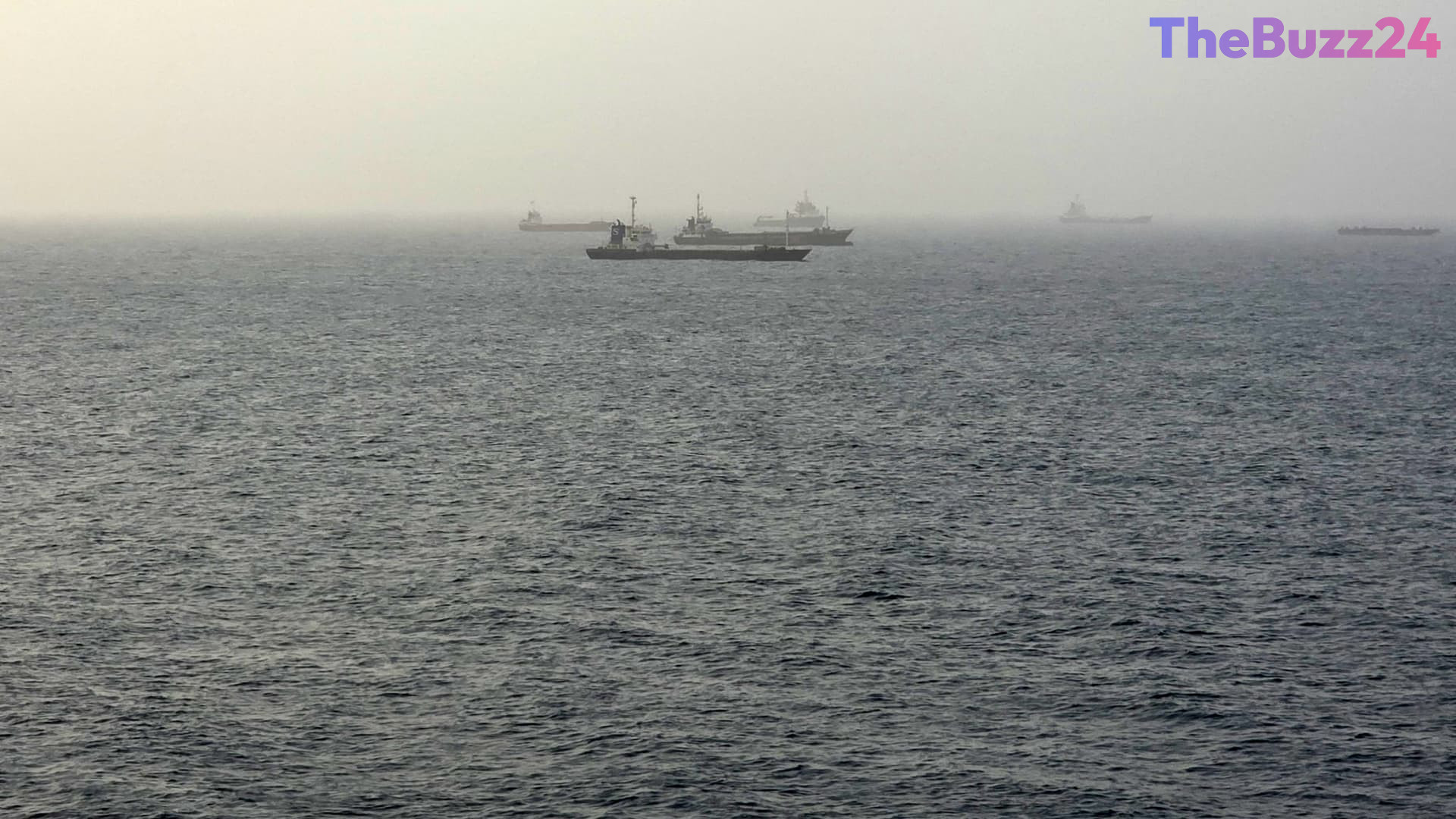
Tensions in the Middle East have escalated dangerously following a series of maritime incidents near Oman, where at least one oil tanker was struck by an unknown projectile. The strike, which caused damage to the vessel’s engine room, occurred just miles off the Omani coast. Simultaneously, a second tanker operating in nearby waters reported witnessing a large explosion and splash in close proximity. While no casualties have been reported from these incidents, the attacks underscore the growing vulnerability of vital commercial shipping lanes as geopolitical hostilities deepen.
The maritime disruptions coincide with deteriorating diplomatic efforts and a breakdown in previous cease-fire understandings between Washington and Tehran. Following a recent wave of military operations targeting various installations, discussions of potential new actions have fueled concerns across global markets. Energy prices have responded immediately to the heightened instability, with international crude benchmarks registering notable increases as traders weigh the risks of prolonged supply chain disruptions in the region.
Iranian leadership has strongly cautioned against further military escalation, warning that any hostile actions by the U.S. or its allies would prompt a firm response and potentially impact critical maritime corridors. Officials in Tehran emphasized that continued naval restrictions could lead to tighter controls over vital shipping chokepoints, including the Strait of Hormuz, through which a significant portion of the world’s petroleum supply flows. As regional actors and international observers monitor the situation, the expanding geographical scope of the conflict—extending from the Persian Gulf to the Mediterranean—continues to pose a severe threat to global economic stability and energy security.
Key Takeaways
- An oil tanker was damaged by an unknown projectile near the coast of Oman, while a second vessel reported a nearby explosion.
- Crude oil prices rose following the renewed maritime attacks and fears of restricted shipping lanes.
- Iranian officials warned that continued naval blockades could lead to the closure of vital global maritime chokepoints.
Editor’s Analysis & Impact
The latest escalation in the Persian Gulf and surrounding maritime routes signals a dangerous new phase in the ongoing conflict, directly threatening global energy security. The Strait of Hormuz and surrounding chokepoints are critical arteries for international petroleum trade; any prolonged disruption or total closure of these routes will inevitably trigger severe supply shocks and spike inflation worldwide. Furthermore, the expansion of hostilities into regions like the Mediterranean demonstrates that the conflict is no longer localized, raising the risk for commercial shipping companies globally. Energy markets will remain exceptionally volatile, pricing in a permanent risk premium until diplomatic channels are restored and freedom of navigation is securely re-established.
Frequently Asked Questions
Q: What happened to the tankers near Oman?
A: One oil tanker was struck by an unknown projectile causing engine room damage, while a second tanker reported a large explosion nearby.
Q: How are global markets reacting to the conflict?
A: Crude oil benchmarks have risen significantly as traders grow increasingly concerned about potential supply disruptions and the closure of key shipping chokepoints.
Q: What warning has Iran issued regarding maritime routes?
A: Iranian officials warned that continued naval blockades and military pressure would result in tighter control and potential shutdowns of critical maritime passages like the Strait of Hormuz.
AI Disclosure: This article is based on verified data and official reports. Our Team and AI have cross-referenced every financial detail with primary sources to ensure total accuracy.
More from this Category