Market Caution Prevails as Geopolitical Tensions and Inflation Data Loom
U.S. stock index futures opened the week with a cautious tone on Sunday night, as investors recalibrated their expectations regarding a potential diplomatic breakthrough in the Strait of Hormuz. S&P 500 futures dipped approximately 0.2%, while Dow Jones Industrial Average futures declined by 99 points. Conversely, Nasdaq-100 futures showed slight resilience, ticking up 0.1% as market participants weighed geopolitical uncertainty against recent economic data.
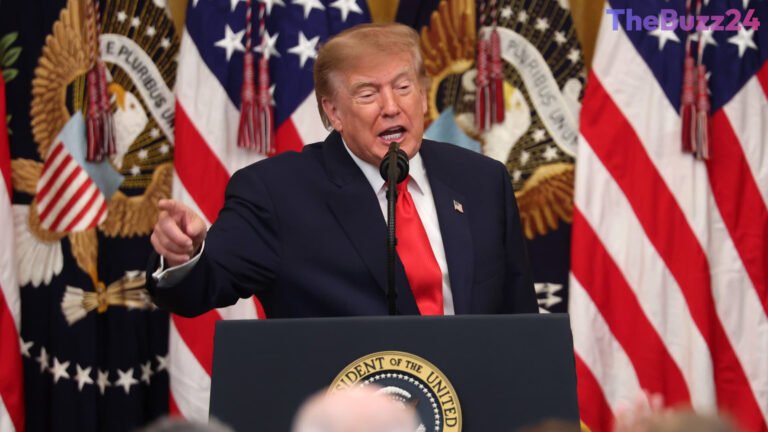
Optimism surrounding a deal to secure transit through the critical Strait of Hormuz faded over the weekend after Iranian officials denied direct negotiations with the United States. This development, coupled with comments from President Donald Trump indicating that the U.S. intends to maintain economic pressure on the region, pushed WTI crude oil prices up by 1% to surpass $79 per barrel. The shift in sentiment contrasts with earlier signals that a resolution might be imminent, highlighting the volatility inherent in Middle Eastern energy logistics.
Despite the muted start to the week, Wall Street enters this period with significant momentum following the best weekly performance since April. The S&P 500 recently achieved an all-time closing record, bolstered by a July nonfarm payrolls report that showed an unexpected contraction. This data has led investors to scale back expectations for aggressive interest rate hikes by the Federal Reserve in September, with current market pricing suggesting a 44% probability of a rate increase, down from 67% the previous week.
Looking ahead, the market focus will shift toward upcoming consumer and producer price index readings, which are expected to provide critical insights into the current inflation trajectory. Additionally, investors are preparing for a busy week of corporate earnings, with reports scheduled from major players including On Holding, Cava Group, Super Micro, and CoreWeave. While the broader market remains in a positive trend, analysts warn that the cooling labor market could present long-term challenges for economic growth.
Key Takeaways
- S&P 500 and Dow futures slipped as hopes for a diplomatic deal regarding the Strait of Hormuz diminished.
- WTI crude oil prices rose above $79 per barrel following reports that U.S.-Iran negotiations are not as advanced as previously suggested.
- Market participants are shifting focus to upcoming inflation data and key corporate earnings after a record-breaking week for major indices.
Editor’s Analysis & Impact
The current market environment is characterized by a delicate tug-of-war between cooling labor data and persistent geopolitical risk. The decline in nonfarm payrolls has provided a ‘dovish’ tailwind, as investors interpret economic softening as a signal for the Federal Reserve to pause its tightening cycle. However, the resurgence of tensions in the Strait of Hormuz serves as a reminder that energy-related inflation remains a wildcard. If energy prices spike due to restricted transit, it could complicate the Fed’s inflation-fighting mandate. Moving forward, the market’s ability to sustain its record-breaking momentum will depend on whether upcoming CPI and PPI data confirm a downward trend in inflation, or if the ‘soft landing’ narrative is undermined by the very labor market contraction that is currently fueling investor optimism.
Frequently Asked Questions
Q: Why did S&P 500 futures decline on Sunday night?
A: Futures declined primarily due to fading optimism regarding a potential deal between the U.S. and Iran to open the Strait of Hormuz, which also caused a rise in oil prices.
Q: How has the recent jobs report affected interest rate expectations?
A: The July nonfarm payrolls report showed an unexpected contraction, leading investors to believe the Federal Reserve may be less likely to hike interest rates in September, with the probability of a hike dropping significantly.
AI Disclosure: This article is based on verified data and official reports. Our Team and AI have cross-referenced every financial detail with primary sources to ensure total accuracy.
More from this Category