Market Caution Prevails as Investors Weigh Geopolitical Tensions and September Volatility
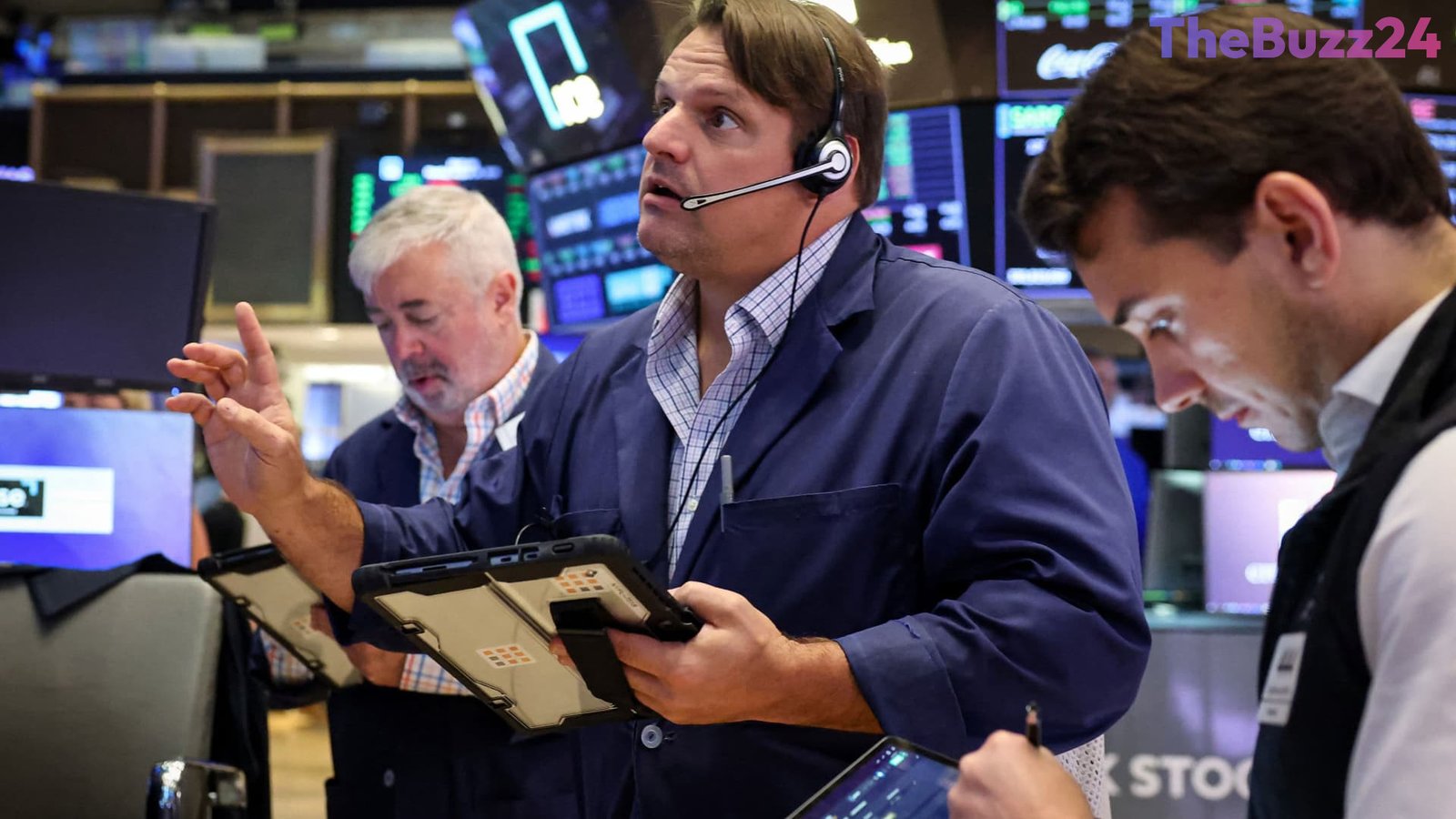
U.S. stock futures remained largely unchanged in early trading following a mixed end to August. While the major benchmarks concluded the month with notable gains—the S&P 500 rose 2.6%, the Nasdaq Composite climbed 3.9%, and the Dow Jones Industrial Average secured its fifth consecutive monthly advance—the final session of August saw a sharp pullback. The Dow dropped over 370 points as rising oil prices and escalating geopolitical instability in the Middle East rattled investor confidence.
Global markets are reflecting this heightened anxiety, with Asia-Pacific indices opening lower on Tuesday. Concerns regarding potential conflict in the Strait of Hormuz and the broader Middle East have pressured regional benchmarks, including Japan’s Nikkei 225 and South Korea’s Kospi, both of which saw declines. The market’s sensitivity to these developments is compounded by a historically challenging September, a month that often brings increased volatility for equities.
Looking ahead, the focus shifts to a heavy economic calendar that could dictate market direction for the remainder of the week. Investors are bracing for upcoming manufacturing and services sector data, followed by the highly anticipated August jobs report on Friday. Economists are closely monitoring these figures, as many analysts suggest that softer labor market data may be necessary to justify potential interest rate adjustments and ease current financial conditions.
Key Takeaways
- Major U.S. indices finished August with monthly gains despite a late-month sell-off driven by geopolitical tensions and rising oil prices.
- Asia-Pacific markets opened lower as investors reacted to instability in the Middle East and the threat of further regional conflict.
- The upcoming August jobs report and manufacturing data are critical indicators that could influence future interest rate policy and market sentiment.
Editor’s Analysis & Impact
The current market environment is defined by a delicate balance between positive monthly momentum and deep-seated anxiety regarding macroeconomic and geopolitical risks. The ‘nervousness’ noted by market participants suggests that investors are increasingly prioritizing risk management over aggressive growth, especially as the market approaches all-time highs. The reliance on ‘weak’ economic data to trigger interest rate relief highlights a shift in market psychology: bad news for the economy is now being viewed as potentially good news for monetary policy. Looking forward, the combination of seasonal September weakness and the potential for further escalation in the Middle East suggests that volatility will likely remain elevated. Investors should expect a data-dependent market where every major economic release carries significant weight in determining the trajectory of the broader indices.
Frequently Asked Questions
Q: Why are investors paying close attention to the upcoming August jobs report?
A: Investors believe that softer labor market data might encourage a more accommodative stance on interest rates, potentially loosening financial conditions and providing a catalyst for market growth.
Q: How does the month of September historically impact the stock market?
A: September is historically recognized as a challenging month for equities, often characterized by increased volatility and lower average returns compared to other months of the year.
AI Disclosure: This article is based on verified data and official reports. Our Team and AI have cross-referenced every financial detail with primary sources to ensure total accuracy.
More from this Category