Diplomatic Uncertainty Clouds Potential U.S.-Iran Nuclear Agreement
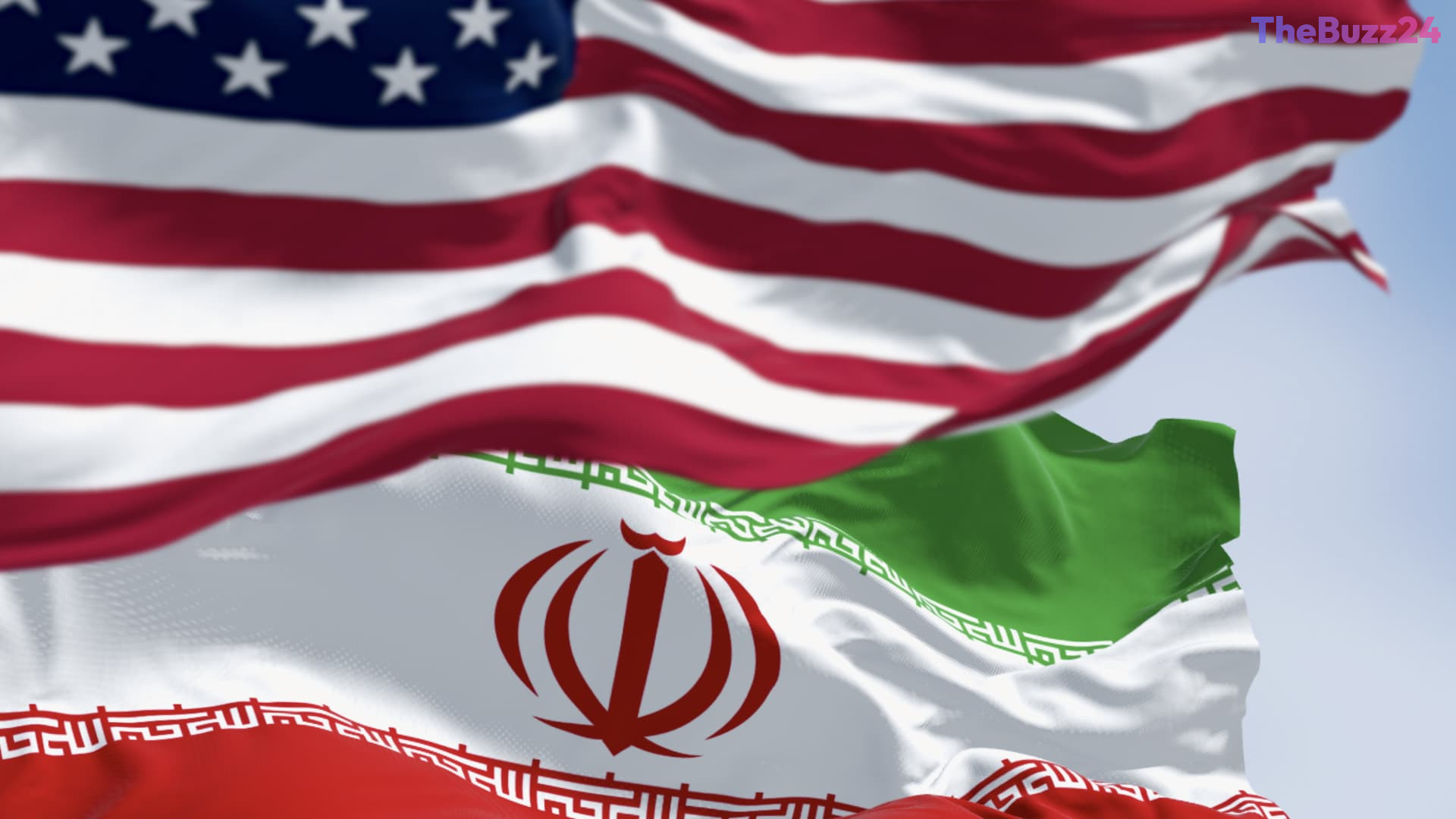
Optimism surrounding a potential nuclear breakthrough between the United States and Iran has begun to wane, as the window for a finalized agreement before the end of the year appears to be closing. While initial market sentiment was buoyed by reports of a preliminary ceasefire, prediction markets now reflect a significant decline in confidence regarding a deal being reached by December. Despite earlier surges in optimism, the current diplomatic landscape remains fragile, with a comprehensive resolution appearing increasingly elusive in the short term.
Central to the ongoing negotiations is a proposed 60-day memorandum of understanding that has yet to receive final authorization. This framework is designed to tackle high-stakes issues, specifically the disposal of highly enriched uranium stockpiles and the permanent cessation of nuclear weapon development programs. While diplomatic channels remain open, officials emphasize that the current phase is merely a preliminary step, and substantial, intensive negotiations are still required to bridge the gap on critical technical and security details.
Beyond nuclear constraints, the proposed agreement includes vital regional security provisions, such as the clearance of mines in the Strait of Hormuz to ensure the safety of international commercial shipping lanes. The United States has maintained a firm stance, indicating that it retains both economic and military leverage should Iran fail to comply with the stipulated nuclear limitations. The mere prospect of de-escalation has already triggered notable shifts in global markets, with West Texas Intermediate crude futures falling below $89 per barrel, while major indices like the S&P 500 and Nasdaq Composite have responded with new intraday highs.
Key Takeaways
- Confidence in a U.S.-Iran nuclear deal has dropped, with markets skeptical of a resolution before the end of the year.
- A proposed 60-day memorandum of understanding focuses on uranium disposal and regional security, including shipping safety in the Strait of Hormuz.
- Global markets have reacted to the diplomatic uncertainty, with oil prices dipping and major stock indices reaching new highs.
Editor’s Analysis & Impact
The current volatility in U.S.-Iran diplomatic relations underscores the profound sensitivity of global markets to geopolitical stability. The immediate reaction in crude oil futures highlights how heavily energy prices are tied to the security of the Strait of Hormuz, a critical chokepoint for global supply. While the equity markets have shown resilience and even optimism, this is likely driven by the hope for reduced geopolitical risk premiums rather than a guaranteed resolution. Looking ahead, the success of these negotiations will be a primary driver for energy sector stability. If the 60-day memorandum fails to materialize, we should expect renewed upward pressure on oil prices and increased market volatility as investors recalibrate for a prolonged period of regional tension and potential sanctions enforcement.
Frequently Asked Questions
Q: What are the primary goals of the proposed U.S.-Iran nuclear agreement?
A: The agreement aims to secure the disposal of highly enriched uranium, halt nuclear weapon development, and ensure regional security by clearing mines in the Strait of Hormuz.
Q: How have global markets reacted to the news of potential de-escalation?
A: The news has caused West Texas Intermediate crude futures to drop below $89 per barrel, while major stock indices like the S&P 500 and Nasdaq Composite have hit new intraday highs.
AI Disclosure: This article is based on verified data and official reports. Our Team and AI have cross-referenced every financial detail with primary sources to ensure total accuracy.
More from this Category