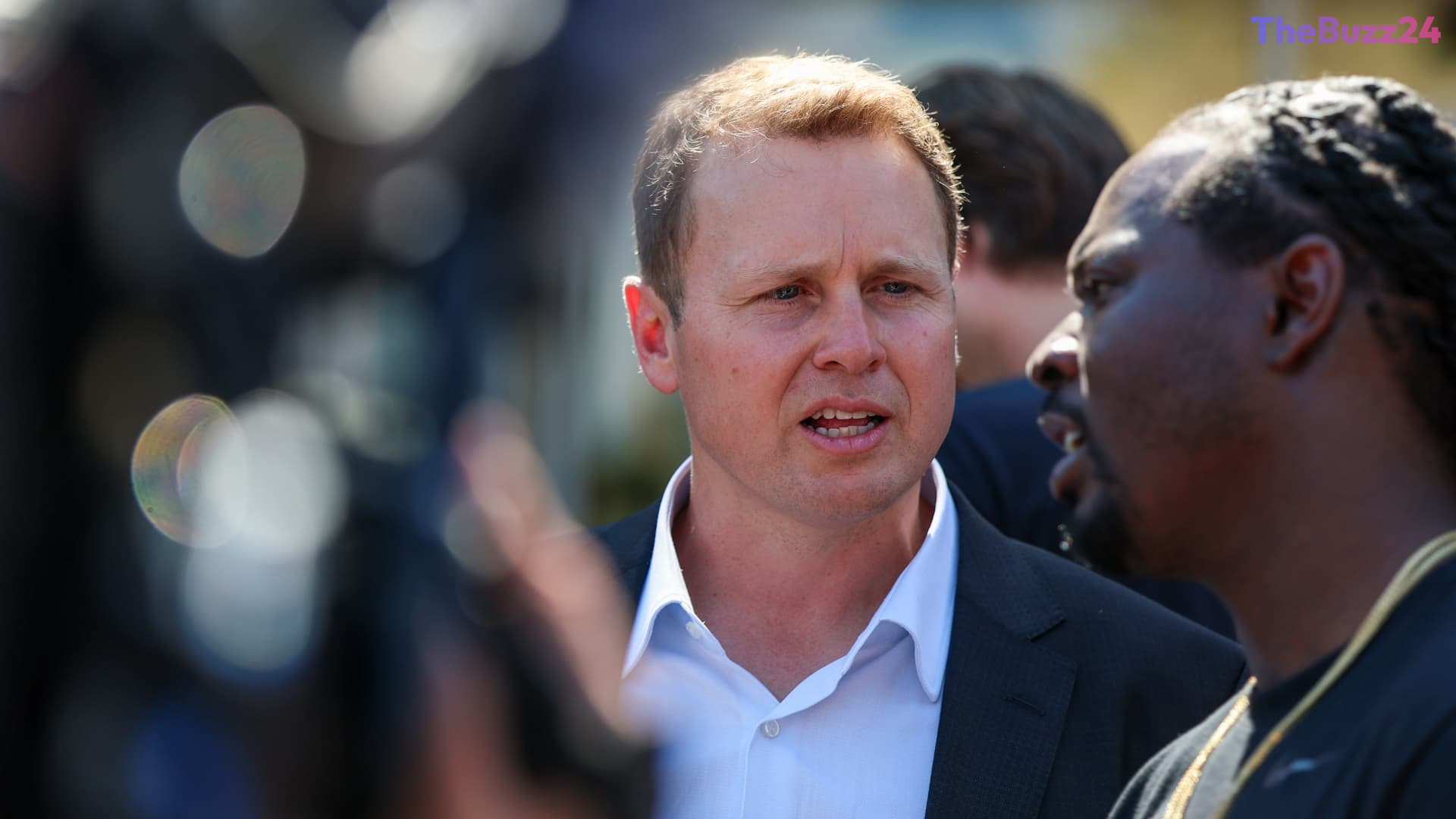
Spencer Pratt Shakes Up Los Angeles Mayoral Race with Surprising Polling Surge
The Los Angeles mayoral race has taken an unexpected turn as former reality television personality Spencer Pratt has emerged as a formidable contender. Recent polling data reveals that Pratt has secured 22% of voter support, positioning him in a highly competitive three-way race against incumbent Mayor Karen Bass and City Councilmember Nithya Raman. With the primary election set for this Tuesday, Pratt’s sudden rise has injected significant volatility into the nonpartisan contest.
Because Los Angeles election rules require a candidate to exceed 50% of the vote to avoid a runoff, the current polling suggests that a November showdown is increasingly likely. Pratt’s campaign gained traction by addressing pressing urban challenges, such as public safety, the city’s economic health, and the ongoing homelessness crisis. He has frequently cited his own experience losing his home in the Pacific Palisades fire as a catalyst for his entry into politics, arguing that the current administration has failed in disaster preparedness and effective city management.
Throughout his campaign, Pratt has maintained a critical stance against the status quo, specifically challenging Mayor Bass’s assertions regarding the success of homelessness initiatives. His policy platform emphasizes a more aggressive approach to law enforcement and the implementation of state-mandated treatment programs for those struggling with addiction and mental health issues. Furthermore, he is pushing for pro-business reforms, including the reduction of red tape for developers and new tax incentives designed to bolster the local film industry.
Although Pratt is a registered Republican, he has actively distanced himself from national partisan rhetoric, framing his candidacy around local governance and practical solutions. While he faces a significant challenge in a city with a traditionally strong Democratic base, his ability to capture a substantial portion of the electorate highlights a growing desire among some voters for a change in leadership. As the primary approaches, the race remains a toss-up, with the electorate divided between the incumbent’s institutional experience and the alternative vision offered by Pratt.
Key Takeaways
- Spencer Pratt has reached 22% in recent polling, creating a tight three-way race for Los Angeles mayor.
- The campaign focuses on homelessness, public safety, and economic revitalization through pro-business policies.
- A November runoff is likely, as no candidate is currently polling above the 50% threshold required for an outright win.
Editor’s Analysis & Impact
The emergence of a celebrity candidate like Spencer Pratt in a major metropolitan mayoral race underscores a broader trend of voter disillusionment with traditional political establishments. By focusing on tangible urban issues—homelessness and disaster preparedness—rather than national partisan talking points, Pratt has successfully tapped into a segment of the electorate that feels underserved by the current administration. However, the transition from reality television to municipal governance remains a significant hurdle. If Pratt forces a runoff, it will signal a major shift in the political landscape of Los Angeles, potentially forcing established politicians to adopt more aggressive stances on public safety and economic deregulation to retain their base. The long-term impact of this candidacy will depend on whether his platform can withstand the scrutiny of a general election campaign.
Frequently Asked Questions
Q: Why is a runoff election likely in the Los Angeles mayoral race?
A: A runoff is likely because Los Angeles election rules require a candidate to secure more than 50% of the total vote to win the election outright in the primary.
Q: What are the primary issues driving Spencer Pratt's campaign?
A: Pratt's campaign is primarily focused on homelessness, public safety, disaster preparedness, and economic policies aimed at reducing bureaucratic hurdles for developers and the film industry.
AI Disclosure: This article is based on verified data and official reports. Our Team and AI have cross-referenced every financial detail with primary sources to ensure total accuracy.
More from this Category