Massive New Long-Necked Dinosaur Species Discovered in Thailand
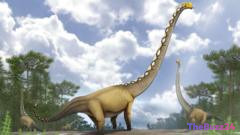
Paleontologists in northeastern Thailand have identified a previously unknown species of dinosaur from fossils excavated in Kalasin Province. Named Uragasaurus kalasinensis, this massive herbivore is estimated to have roamed the Earth approximately 150 million years ago during the Late Jurassic period. Characterized by an exceptionally long neck, the creature reached lengths of up to 20 meters (66 feet), making it comparable in size to a standard cricket pitch.
The breakthrough stems from a long-term excavation at the Phu Noi site, an area first flagged in 2008 after a local resident stumbled upon fragments resembling serpent scales. Since then, the site has yielded a treasure trove of Late Jurassic specimens, with dinosaur fragments accounting for over 90 percent of the recovered fossils. The critical piece of evidence that confirmed the new species was a well-preserved dorsal vertebra. Advanced CT scans of this back bone revealed a unique Y-shaped arrangement of supporting bones, known as laminae, alongside a distinctive air-cavity structure never before documented in other dinosaurs.
Led by Dr. Apirat Nilphanaphan of Mahasarakham University, the research team determined that Uragasaurus kalasinensis belongs to the Mamenchisauridae family. This group of sauropods is famous for their ultra-long necks, which allowed them to graze on high-canopy vegetation. While the vast majority of Mamenchisauridae fossils have historically been unearthed in China, this discovery marks the very first time a member of this family has been identified in Thailand, expanding the known geographic range of these prehistoric giants.
This landmark discovery, detailed in a newly published scientific study, highlights Thailand’s growing prominence in paleontological research. It follows the recent identification of another massive long-necked herbivore in the region, the Nagatitan, which stands as the largest dinosaur ever found in Southeast Asia. Together, these findings suggest that ancient Thailand was a thriving, diverse ecosystem capable of supporting some of the largest land animals to have ever lived.
Key Takeaways
- Paleontologists have discovered Uragasaurus kalasinensis, a new 20-meter-long herbivorous dinosaur species in Thailand's Kalasin Province.
- The dinosaur belongs to the Mamenchisauridae family, marking the first time this long-necked group has been found in Thailand.
- Unique skeletal features, including a Y-shaped bone structure and distinct air cavities in its vertebra, set this species apart from all other known dinosaurs.
Editor’s Analysis & Impact
The discovery of Uragasaurus kalasinensis represents a major milestone for Southeast Asian paleontology, challenging the long-held assumption that Mamenchisauridae sauropods were primarily confined to East Asia, particularly China. By establishing a geographical link between prehistoric Thailand and China, this find suggests that Late Jurassic migratory routes and ecological corridors were far more interconnected than previously understood. Furthermore, the Phu Noi site’s incredibly high concentration of well-preserved fossils positions Thailand as a global hotspot for paleontological research. As advanced imaging technologies like CT scanning become more integrated into fossil analysis, researchers are likely to uncover more unique anatomical variations, rewriting our understanding of sauropod evolution and the diverse ecosystems of the Late Jurassic era.
Frequently Asked Questions
Q: What makes Uragasaurus kalasinensis unique compared to other dinosaurs?
A: It features a highly distinct skeletal structure, specifically a Y-shaped arrangement of supporting bones (laminae) and a unique air-cavity system in its dorsal vertebra that has not been observed in any other dinosaur species.
Q: Where was the fossil discovered, and why is the location significant?
A: The fossil was found at the Phu Noi site in Kalasin Province, northeastern Thailand. This location is highly significant because it is incredibly rich in Late Jurassic fossils and has now yielded the first-ever Mamenchisauridae dinosaur found in the country.
Q: How large was this newly discovered dinosaur?
A: Uragasaurus kalasinensis was a massive herbivore that grew up to 20 meters (66 feet) in length, featuring an exceptionally long neck designed to reach high-growing vegetation.
AI Disclosure: This article is based on verified data and official reports. Our Team and AI have cross-referenced every financial detail with primary sources to ensure total accuracy.
More from this Category