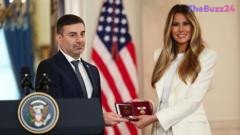
Melania Trump Hosts Russian and Ukrainian Officials to Advocate for Lasting Ceasefire
In a rare diplomatic engagement, former First Lady Melania Trump hosted senior Russian and Ukrainian delegations at the White House to advocate for a more enduring ceasefire in the ongoing conflict. The meeting followed a successful six-day truce in the Kherson region, specifically in the town of Oleshky, which allowed hundreds of residents to evacuate from a zone previously plagued by starvation and constant bombardment.
The event brought together key figures, including Ukraine’s human rights ombudsman Dmytro Lubinets and his Russian counterpart Yana Lantratova, alongside Ukrainian MP Davyd Arakhamia and Kremlin envoy Kirill Dmitriev. During the proceedings, Melania Trump emphasized the necessity of prioritizing human life over the divisions of war, noting that she had personally reviewed logistical details such as demining plans, evacuation routes, and medical resource allocation to facilitate the recent humanitarian success.
While the delegations expressed gratitude for her involvement, the diplomatic landscape remains complex. Melania Trump presented both representatives with personal letters addressed to their respective presidents, Volodymyr Zelensky and Vladimir Putin. The White House underscored the significance of the meeting by displaying historic artifacts meant to symbolize the transition from conflict to alliance, drawing parallels to past American diplomatic resolutions.
Despite the optimism surrounding the Oleshky evacuation, the broader conflict continues to impact other regions of Ukraine. While the Kherson ceasefire represents a significant de-escalation, reports of ongoing missile and drone strikes elsewhere in the country serve as a stark reminder of the volatility of the situation. Analysts suggest that while the humanitarian breakthrough is a positive development, the underlying political tensions between Moscow and Kyiv remain largely unresolved.
Key Takeaways
- Melania Trump facilitated a high-level meeting between Russian and Ukrainian officials to build upon the success of a recent six-day ceasefire in Oleshky.
- The former First Lady was actively involved in the logistics of the evacuation, including reviewing demining plans and medical access for civilians.
- Despite the localized success in Kherson, the broader conflict continues with ongoing attacks reported in other parts of Ukraine.
Editor’s Analysis & Impact
The involvement of Melania Trump in the Russia-Ukraine conflict represents a unique intersection of humanitarian diplomacy and political theater. By positioning herself as a neutral broker for humanitarian relief, she has managed to create a rare space for dialogue between warring parties. However, the market and geopolitical implications remain cautious. While the Oleshky ceasefire provides a template for localized de-escalation, it does not signal a broader shift in the strategic objectives of either Moscow or Kyiv. The future outlook suggests that such humanitarian ‘carve-outs’ may continue, but they are likely to be used as tactical leverage rather than precursors to a comprehensive peace treaty. The broader implication is that personal diplomacy, while effective for specific humanitarian missions, remains secondary to the entrenched political and military realities of the conflict.
Frequently Asked Questions
Q: What was the primary goal of the White House meeting hosted by Melania Trump?
A: The meeting aimed to build on the success of a recent six-day ceasefire in the Kherson region and advocate for a more lasting peace between Russian and Ukrainian officials.
Q: Did the Oleshky ceasefire lead to a nationwide end to hostilities?
A: No. While the ceasefire in Oleshky was a significant humanitarian success, the rest of Ukraine continued to face Russian drone and missile attacks during the same period.
AI Disclosure: This article is based on verified data and official reports. Our Team and AI have cross-referenced every financial detail with primary sources to ensure total accuracy.
More from this Category