Meta Faces Multi-Billion Dollar Reckoning in New Mexico Child Safety Trial
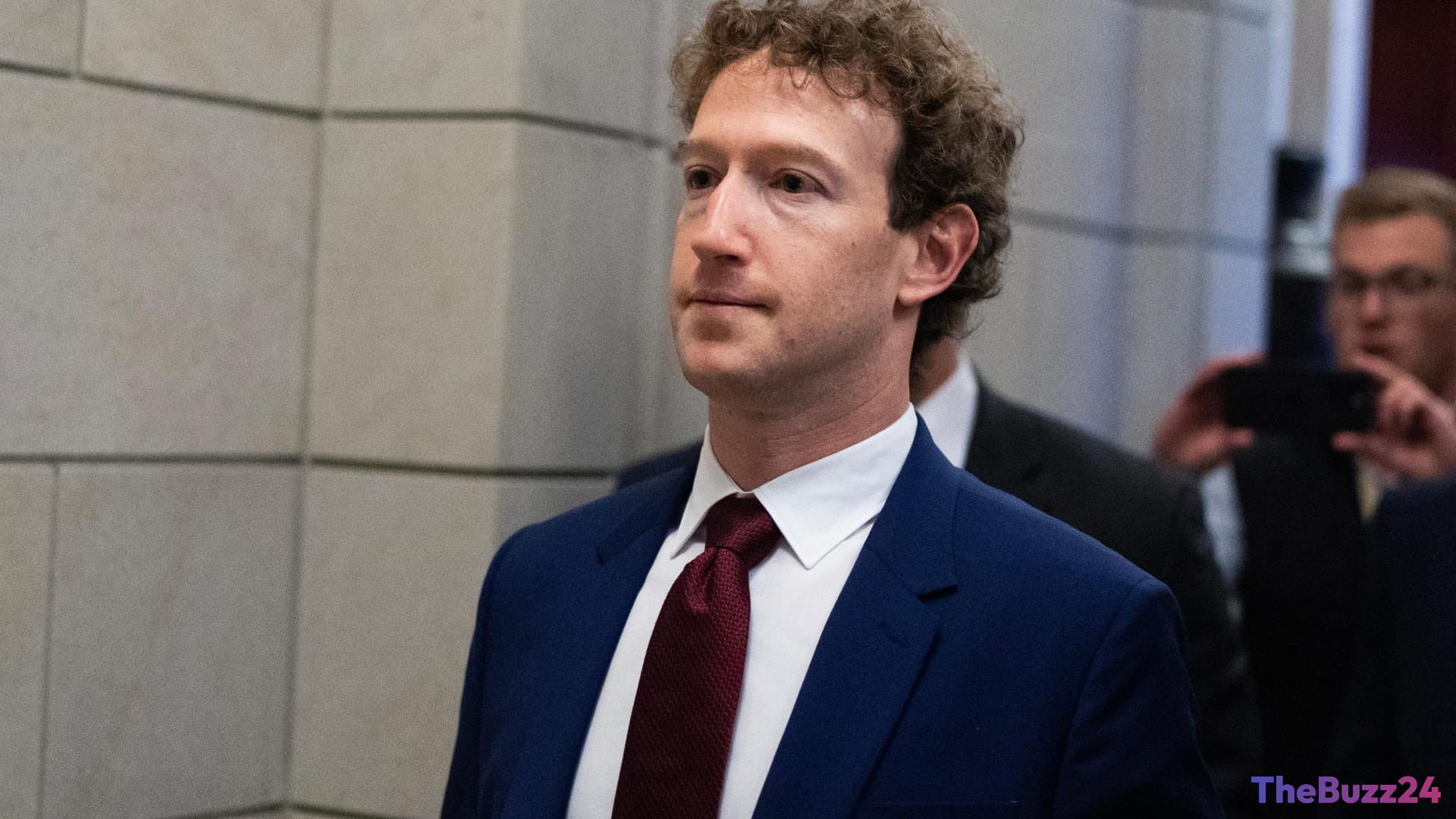
Meta is back in a Santa Fe courtroom for a high-stakes bench trial that could fundamentally alter how the social media giant operates. Following a March jury verdict that found the company willfully violated New Mexico’s unfair practices act—resulting in a $375 million penalty—the state is now pushing to declare Meta’s platforms a public nuisance. New Mexico Attorney General Raúl Torrez is seeking approximately $3.7 billion in abatement costs and sweeping injunctive relief, alleging the company failed to protect children from online predators on Instagram and Facebook.
The state’s proposed remedies would force Meta to overhaul its core features, including implementing robust age-verification systems, restructuring recommendation algorithms to prioritize child safety, and appointing an independent monitor to oversee compliance. Meta has fiercely resisted these demands, labeling them technically impossible and impractical. In a stark warning, a Meta spokesperson indicated that if a compromise cannot be reached, the company may completely block access to its platforms for all users within New Mexico.
Legal experts are comparing this litigation to the historic tobacco lawsuits of the 1990s, which stripped major cigarette manufacturers of their immense market influence. By utilizing the “public nuisance” doctrine—traditionally reserved for physical hazards like the opioid crisis—plaintiffs are attempting to bypass Section 230 of the Communications Decency Act. Rather than suing over specific third-party content, the state is targeting the underlying design of the platform itself, framing it as a defective product.
The outcome in New Mexico is being closely watched nationwide, serving as a critical test case for hundreds of school districts involved in a consolidated federal lawsuit in California against Meta, TikTok, YouTube, and Snap. That trial, scheduled to begin in mid-June, also relies heavily on public nuisance arguments. If New Mexico succeeds in securing billions in damages and forcing product redesigns, it could establish a powerful precedent that reshapes the entire social media industry.
Key Takeaways
- New Mexico is seeking $3.7 billion in abatement costs and major product overhauls, claiming Meta's platforms constitute a public nuisance.
- Meta has threatened to completely withdraw its services from New Mexico if forced to comply with the state's "technically impossible" demands.
- The trial serves as a landmark test case for using public nuisance laws to bypass Section 230 protections by targeting platform design rather than third-party content.
Editor’s Analysis & Impact
This trial represents a watershed moment for the tech sector, signaling a shift from regulatory slaps on the wrist to existential operational threats. By leveraging public nuisance laws, prosecutors have found a creative loophole around Section 230, which has shielded tech giants for decades. If New Mexico secures a multi-billion-dollar judgment or forces structural product changes, it will open the floodgates for other states and school districts to demand similar concessions. Meta’s threat to pull out of New Mexico highlights the high stakes; however, actually doing so would set a dangerous precedent of corporate balkanization. Ultimately, this litigation could force social media platforms to transition from engagement-maximizing algorithms to highly regulated, age-gated utilities, fundamentally altering their monetization models and long-term market valuations.
Frequently Asked Questions
Q: Why is New Mexico suing Meta under 'public nuisance' laws?
A: Historically used for physical issues like environmental hazards or the opioid crisis, public nuisance laws are being applied here to argue that Meta's platform design is inherently defective and harmful to public health, specifically regarding child safety. This strategy aims to bypass Section 230 federal protections that shield websites from liability over third-party content.
Q: What are the potential consequences for Meta if it loses this phase of the trial?
A: Meta could face up to $3.7 billion in abatement costs and be legally mandated to restructure its platforms. This includes implementing strict age-verification technologies, altering recommendation algorithms, and operating under an independent monitor.
Q: Will Meta actually shut down Facebook and Instagram in New Mexico?
A: Meta has stated it may have 'no choice' but to block access to its platforms in New Mexico if the court imposes what it deems 'impossible' technical mandates. While this could be a litigation tactic, it remains a drastic option if a workable compromise is not reached.
AI Disclosure: This article is based on verified data and official reports. Our Team and AI have cross-referenced every financial detail with primary sources to ensure total accuracy.
More from this Category