India’s Energy Grid Faces Strain as Heatwaves Force Coal Reliance
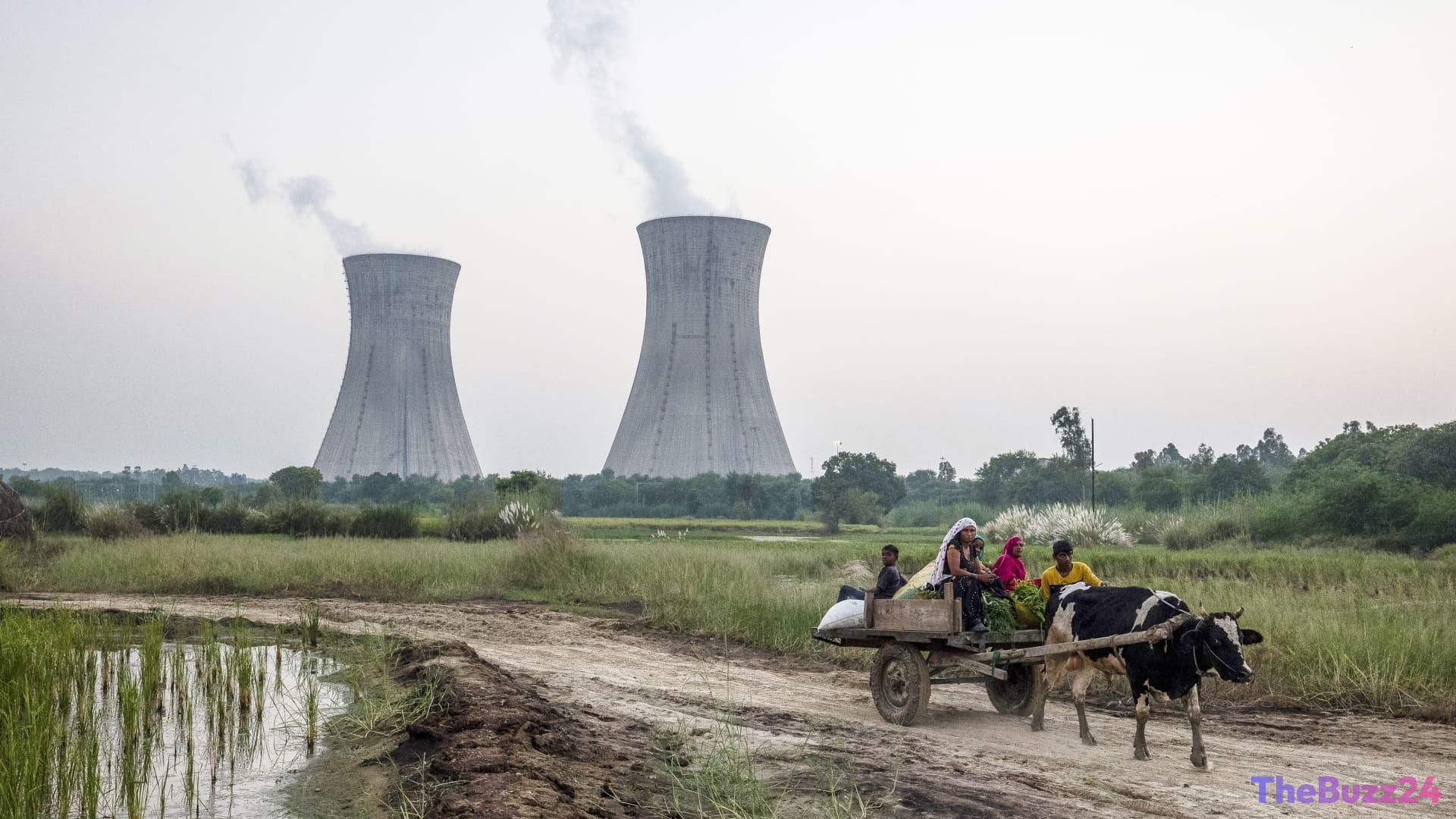
India is currently grappling with a significant surge in coal consumption as an intense, nationwide heatwave pushes electricity demand to record levels. The country’s power grid is under immense pressure, forcing a renewed reliance on coal-fired power plants to ensure a stable supply of electricity for its massive population. This situation highlights the difficult balancing act India faces as it attempts to reconcile its long-term climate objectives with the immediate, critical need for energy security.
Economic factors have further complicated the nation’s energy strategy. The rising cost of liquefied natural gas (LNG), exacerbated by geopolitical instability in the Middle East and supply chain disruptions near the Strait of Hormuz, has made gas-fired power generation increasingly expensive and impractical. As a result, coal has become the primary buffer against potential grid failures during the peak summer months, absorbing the load that other energy sources cannot currently sustain.
Beyond the utility sector, industrial demand for coal is also on the rise. Manufacturers, particularly those in the cement industry, are increasingly turning to coal as a cost-effective alternative to petroleum coke, which has also faced supply shortages due to regional conflicts. This trend underscores the challenges of transitioning away from fossil fuels when global market volatility and climate-driven demand spikes threaten industrial stability.
Despite significant investments in renewable energy infrastructure, including solar, wind, and hydropower, coal continues to account for more than 70% of India’s electricity generation. As climate patterns suggest that extreme heat events may become more frequent, the nation remains tethered to coal. This ongoing dependency poses a significant test for India’s stated commitment to achieving net-zero emissions by 2070, as the immediate necessity of keeping the lights on continues to take precedence over decarbonization efforts.
Key Takeaways
- Unprecedented heatwaves have forced India to increase coal consumption to prevent grid failure.
- Geopolitical instability and high LNG prices have made gas-fired power economically unviable, shifting the burden back to coal.
- Despite long-term net-zero goals, coal remains the backbone of India's energy sector, providing over 70% of the country's electricity.
Editor’s Analysis & Impact
The current energy situation in India serves as a stark reminder of the ‘energy trilemma’—the challenge of balancing energy security, affordability, and sustainability. While India has made commendable progress in renewable capacity, the sheer scale of its energy demand during extreme weather events exposes the limitations of current green infrastructure. The reliance on coal is not merely a policy choice but a pragmatic response to supply chain volatility and the high cost of imported gas. Looking ahead, this trend suggests that India’s path to net-zero by 2070 will be non-linear and heavily dependent on the rapid scaling of energy storage solutions and grid modernization. Until renewables can provide consistent baseload power during peak demand, coal will likely remain a critical, albeit controversial, component of the nation’s economic stability.
Frequently Asked Questions
Q: Why is India relying more on coal despite its climate goals?
A: India is relying on coal because it is currently the most reliable and affordable way to meet the massive surge in electricity demand caused by extreme heatwaves, especially as imported natural gas prices have become prohibitively expensive.
Q: What role does the cement industry play in coal consumption?
A: The cement industry is increasingly using coal as a substitute for petroleum coke, which has become difficult to source due to regional conflicts and supply chain disruptions.
AI Disclosure: This article is based on verified data and official reports. Our Team and AI have cross-referenced every financial detail with primary sources to ensure total accuracy.
More from this Category