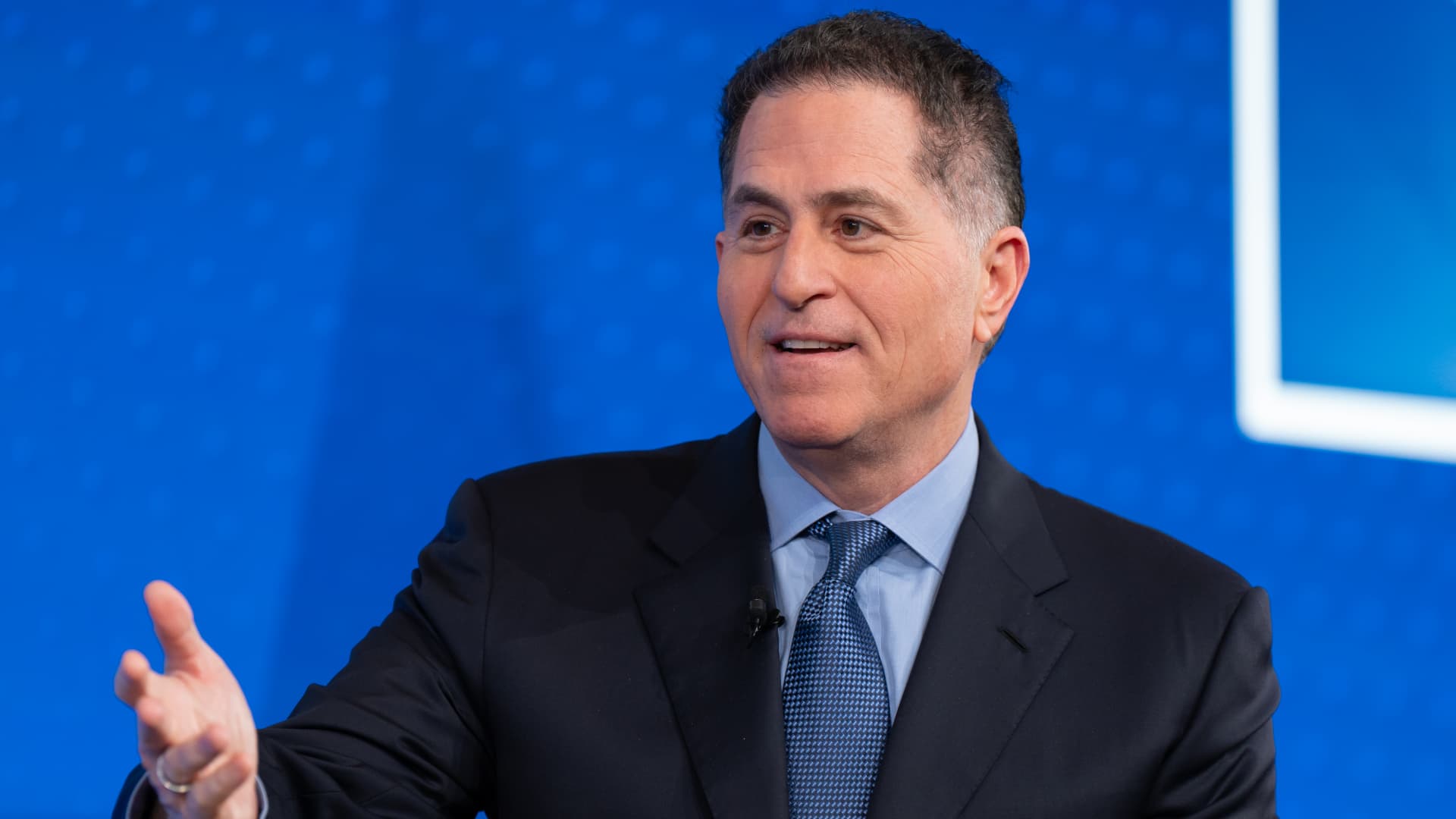
Michael and Susan Dell Unveil $750 Million Vision for UT Austin Medical Hub
Michael and Susan Dell have pledged a transformative $750 million donation to the University of Texas at Austin, marking a major expansion in the region’s healthcare and research capabilities. The initiative will fund the construction of a state-of-the-art medical and research campus, which is scheduled to break ground later this year. With a target completion date of 2030, the facility is poised to become a cornerstone of medical innovation in the Southwest.
The new campus will house a specialized cancer center, high-tech research laboratories, and a dedicated supercomputing facility. A primary focus of the project is the seamless integration of artificial intelligence and data-driven computing into clinical workflows. By embedding these technologies into the campus infrastructure from the outset, the university aims to improve diagnostic accuracy and streamline patient care, ensuring that medical professionals are equipped with the most advanced tools available to support their expertise.
This contribution brings the total philanthropic support from the Dells to the University of Texas at Austin to more than $1 billion. For Michael Dell, the founder of Dell Technologies, the project represents a significant investment in his alma mater and the rapidly expanding Austin metropolitan area. As the city continues to see a surge in population, this development is expected to attract top-tier medical talent and establish Austin as a premier destination for complex surgical procedures and cutting-edge health research.
Key Takeaways
- The $750 million donation will fund a new medical and research campus at UT Austin, expected to open in 2030.
- The facility will prioritize the integration of AI and supercomputing to enhance diagnostic precision and patient care.
- This gift pushes the total philanthropic contributions from Michael and Susan Dell to the university past the $1 billion mark.
Editor’s Analysis & Impact
The $750 million investment by the Dells represents a strategic shift toward ‘smart’ healthcare infrastructure. By prioritizing AI and supercomputing integration at the architectural level, UT Austin is positioning itself to lead the next generation of data-driven medicine. This move is likely to have a profound impact on the Austin economy, transforming the city into a magnet for biotech startups, medical researchers, and specialized healthcare practitioners. As the healthcare industry faces mounting pressure to improve patient outcomes while managing rising costs, this model of tech-integrated medical campuses will likely serve as a blueprint for future institutional developments. The long-term implication is a significant decentralization of high-level medical research, moving away from traditional coastal hubs and toward rapidly growing metropolitan areas in the American South.
Frequently Asked Questions
Q: When is the new medical campus expected to open?
A: The new medical and research campus is currently slated to open in 2030.
Q: What is the primary goal of integrating AI into the new facility?
A: The goal is to use AI and advanced computing to facilitate earlier diagnoses and more precise, coordinated patient care, while augmenting the capabilities of medical professionals.
AI Disclosure: This article is based on verified data and official reports. Our Team and AI have cross-referenced every financial detail with primary sources to ensure total accuracy.
More from this Category